By Curely
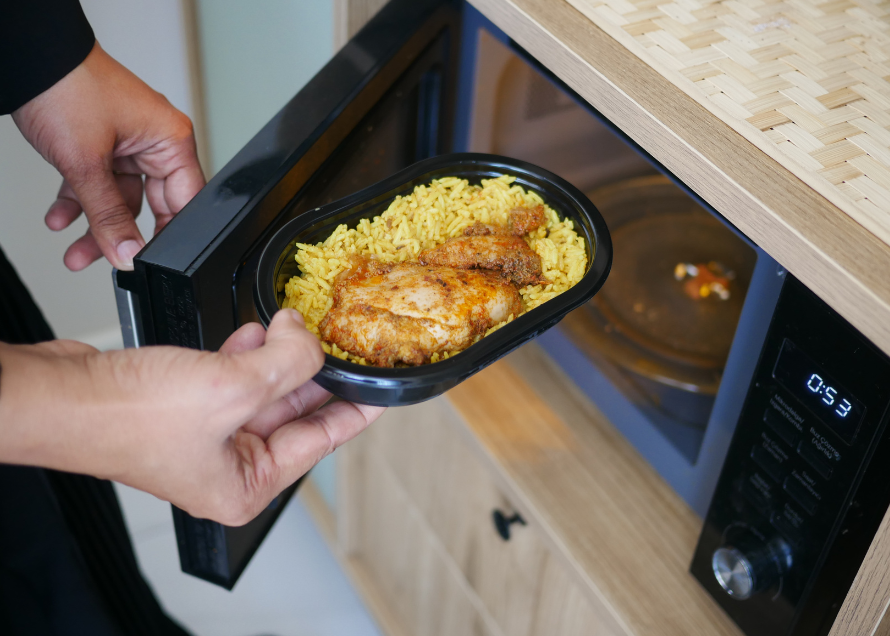
Ready meals are returning to British shopping baskets, but consumers are increasingly seeking options that balance speed and convenience with better nutritional value.
New analysis by UK online pharmacy Curely has found that searches for “ready meals” have increased by 24% in the past year, reaching an average of 91,000 searches each month in the UK. Searches for “healthy ready meals” have also risen by 22% year-on-year, with around 5,000 monthly searches.
The online trend is reflected in supermarket spending. Curely’s analysis of the latest Defra Family Food dataset found that purchases of complete meat-based ready meals have increased by 12%.
For many households, convenience remains a priority amid busy working weeks, family commitments and rising pressure on time. However, the growing interest in healthier ready meals suggests shoppers are becoming more selective about what they choose from the chilled aisle.
Sobia Qasim, Superintendent Pharmacist at Curely, said the perception that every ready meal is inherently unhealthy is increasingly outdated.
“Ready meals have long had a reputation for being unhealthy, but that’s no longer true across the board,” she said. “For people taking weight loss medication, who often have a much smaller appetite, a well-balanced ready meal can actually make it easier to eat enough protein and other essential nutrients without having to prepare a full meal from scratch.”
Rather than dismissing a meal because it is pre-prepared, Qasim recommends checking the label and considering its nutritional balance.
“It’s far more important to turn the packet over and check the nutrition information. Prioritise meals that are high in protein, contain vegetables and are lower in saturated fat and added salt.”
Choosing a better ready meal
When selecting a ready meal, Curely advises shoppers to look for at least 20g of protein per serving, which can help support muscle maintenance, recovery and fullness.
Meals containing vegetables, beans, lentils or wholegrains can provide valuable fibre, while options with one or two portions of vegetables may help boost vitamin, mineral and fibre intake.
It is also worth comparing salt and saturated-fat levels between similar products, particularly for shoppers looking to support heart health or manage blood pressure. Lower-calorie does not necessarily mean healthier, either; a meal should provide enough energy to suit an individual’s needs.
Easy ways to add more goodness
A ready meal can also be used as a starting point rather than a complete solution. Adding a side of steamed greens, salad or frozen vegetables is a straightforward way to increase vegetable and fibre intake with little extra preparation.
If a chosen meal is relatively low in protein, additions such as grilled chicken, boiled eggs, beans or lentils can make it more satisfying.
“One of the easiest ways to improve a ready meal is to add extra vegetables,” Qasim said. “Frozen vegetables, salad or steamed greens can increase fibre and help you reach your recommended fruit and vegetable intake with very little extra effort.”
For people balancing hectic schedules, a well-chosen ready meal may offer a practical alternative to skipping dinner or opting for a takeaway.
You Might Also Like:




“Healthy eating isn’t about preparing every meal from scratch,” Qasim added. “It’s about making choices that are realistic and sustainable.”
Research and commentary credited to Curely. Curely analysed the latest Defra Family Food dataset and search data from Glimpse and Google Trends.