Judgment Reinforces Protections for Traditional Dairy Designations Amidst Surging Plant-Based Market Growth
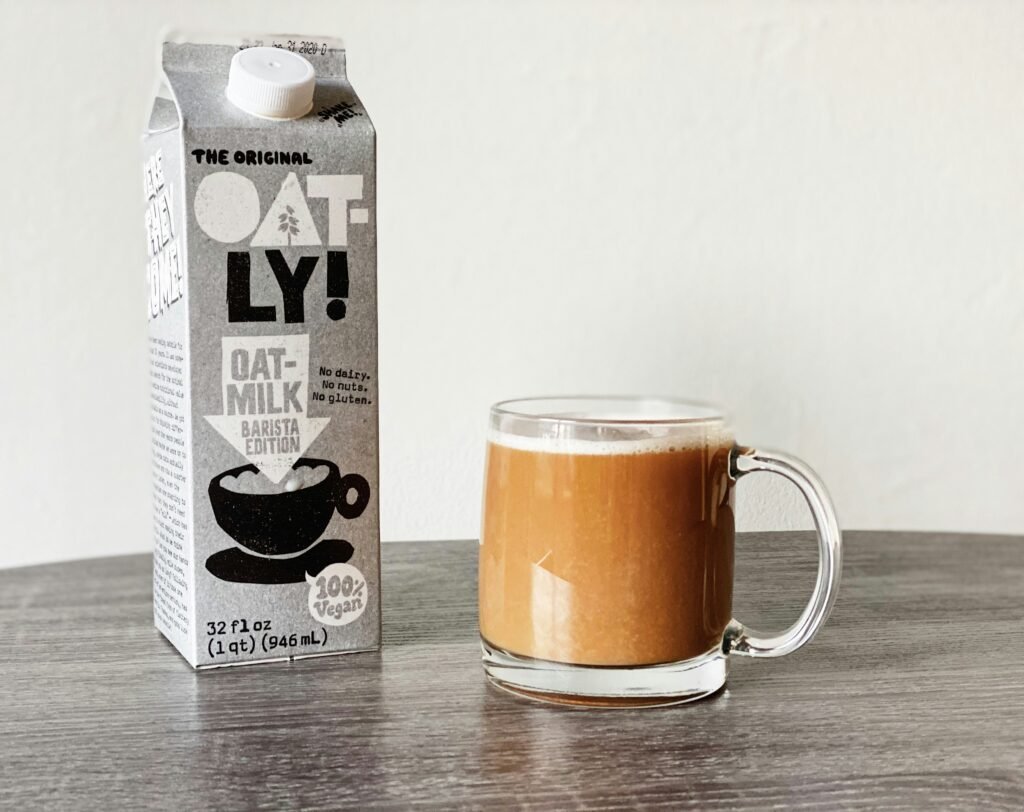
In a unanimous decision handed down on 11 February 2026, the UK Supreme Court dismissed Oatly AB’s appeal, effectively invalidating its “Post Milk Generation” trademark for use with oat-based food and drink products. This landmark ruling represents a significant victory for Dairy UK, the trade association representing the British dairy industry, providing crucial clarity on the application of assimilated EU law that safeguards traditional dairy designations.
At the heart of the legal challenge was Regulation (EU) No. 1308/2013, which establishes a common organisation of agricultural markets. This regulation strictly reserves terms such as “milk”, “cheese”, and “yogurt” exclusively for products of animal origin. Following Brexit, these protections have been retained within UK law. Dairy UK initiated the challenge, asserting that Oatly’s trademark contravened this regulatory framework, a position ultimately upheld by the Supreme Court regarding the term “milk” within the trademark.
Oatly’s Arguments and Supreme Court’s Rejection
Oatly, the Swedish plant-based drinks manufacturer, argued that the word “milk” in its “Post Milk Generation” slogan was not functioning as a “designation” in the narrow sense of merely naming a product, and thus should fall outside the scope of the prohibition. Furthermore, the company contended that, even if the legislation did apply, the trademark was permissible under an exception for designations that “clearly describe a characteristic quality of a product”.
However, the Supreme Court unequivocally rejected these arguments. The Court held that “designation” carries a broad meaning, extending beyond just the generic name of a product, and applies whenever protected dairy terms are used in relation to non-dairy products. Critically, the judges found that “Post Milk Generation” did not “clearly” describe a characteristic quality of oat-based products. Instead, the Court determined it was primarily focused on describing targeted consumers, rendering any reference to a milk-free characteristic “oblique and obscure”.
Reinforcing a Long-Standing Precedent
This judgment reinforces a precedent established by the European Court of Justice (ECJ) in a 2017 ruling against German vegan company Tofutown. That case affirmed that plant-based products cannot utilise dairy-specific terms, even when accompanied by descriptive modifiers such as “soya-milk” or “tofu butter”. The Supreme Court underscored that the regulatory regime’s core objective is to maintain fair conditions of competition within the agricultural sector.
Regulation (EU) No. 1308/2013 aims to stabilise agricultural markets, prevent crises, improve productivity, and enhance demand, ensuring market transparency and fair competition. The Supreme Court further clarified that assimilated EU law, while interpreted using domestic statutory methods, must consider its EU origin for context and purpose.
Contrasting Market Dynamics
The ruling emerges amidst a highly dynamic and competitive landscape within the UK’s food and drink sector. The plant-based milk market in the UK has experienced significant growth, valued at approximately USD 867.4 million in 2024 and projected to reach USD 1,352.3 million by 2030, with a compound annual growth rate (CAGR) of 7.5% from 2025. Oat milk, propelled by consumer interest in health, environmental benefits, and ethical considerations, as well as rising awareness of lactose intolerance and veganism, has emerged as a leading and rapidly growing segment. Oatly, a key player in this expanding market, reported full-year 2025 revenue of $862.5 million.
Conversely, the traditional British dairy industry faces ongoing pressures. The number of dairy farms in the UK has plummeted to a record low of 7,010, an 85% decrease since 1980, raising concerns about food security. Retail volumes for liquid milk have declined, and wholesale prices have been volatile. As of October 2025, the British milking herd was down 1.3% year-on-year, with semi-skimmed milk volumes falling by 4%. Despite these challenges, the industry has seen an increase in annual milk production due to improved efficiency per cow. Dairy UK, whose members account for approximately 85% of UK milk production, actively champions UK dairy consumption and advocates for robust enforcement of these consumer protection laws.
You Might Also Like:
No related posts.
Industry Reactions and Future Implications
DWF, the global legal and business services provider, successfully advised Dairy UK throughout the litigation. Asima Rana, Director in DWF’s Intellectual Property team, commented on the outcome: “The Supreme Court’s decision brings welcome clarity and confirms how the relevant regulatory framework is to be applied in practice. Importantly, it provides greater certainty for businesses operating in the food and drink sector.”
Judith Bryans, Chief Executive of Dairy UK, echoed this sentiment, stating: “This is a significant and welcome judgment for the UK dairy industry. The Supreme Court’s decision reinforces the long-established legal protections for dairy terms and ensures that they cannot be used inappropriately in ways that undermine fair competition. We are grateful to DWF and counsel for their expert guidance and support throughout this litigation.”
The judgment offers critical guidance for brand owners navigating regulated markets, particularly concerning trademark registrability, use, and enforcement in the UK’s post-Brexit legal landscape. It underscores the importance of adhering to precise terminology to maintain fair competition and prevent consumer confusion in the agricultural sector, even in cases where consumer deception may not be immediately apparent.