STA calls for multi-year VisitScotland funding ahead of 3 December Budget
The Scottish Tourism Alliance (STA) has called on the Scottish Government to use next week’s Budget to support tourism and hospitality as one of Scotland’s key industries. Ahead of the Scottish Budget on 3 December, the STA has set out six priorities, including a fairer, more proportionate business rates system, greater investment in VisitScotland, and dedicated funding for international air connectivity and route development. The organisation warns that rising business costs, taxation, and a decline in the domestic visitor market continue to squeeze profit margins and limit investment.
The STA is seeking a definitive timetable for business rates reform following the 2026 revaluation and warns that failing to replicate the changes announced in the UK Autumn Budget risks creating an even greater gap between Scotland and England, while sector businesses with rateable values above the £100,000 threshold need greater support. It is also calling for a narrowing of the gap between Scottish and UK income tax rates to encourage domestic visitor spending, and for the Scottish Government to rule out new taxes directly affecting tourism and hospitality businesses.
The STA is also calling for a multi-year funding package for VisitScotland to help Scotland compete for international visitors. The national tourism agency’s workforce has been reduced by around a third since 2022/23, while its annual income has fallen by £7.7 million.
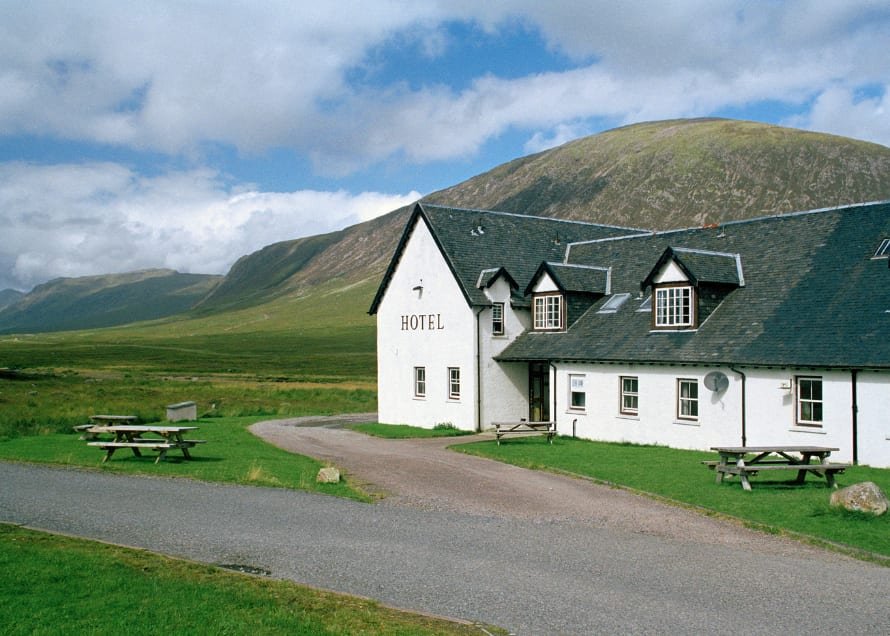
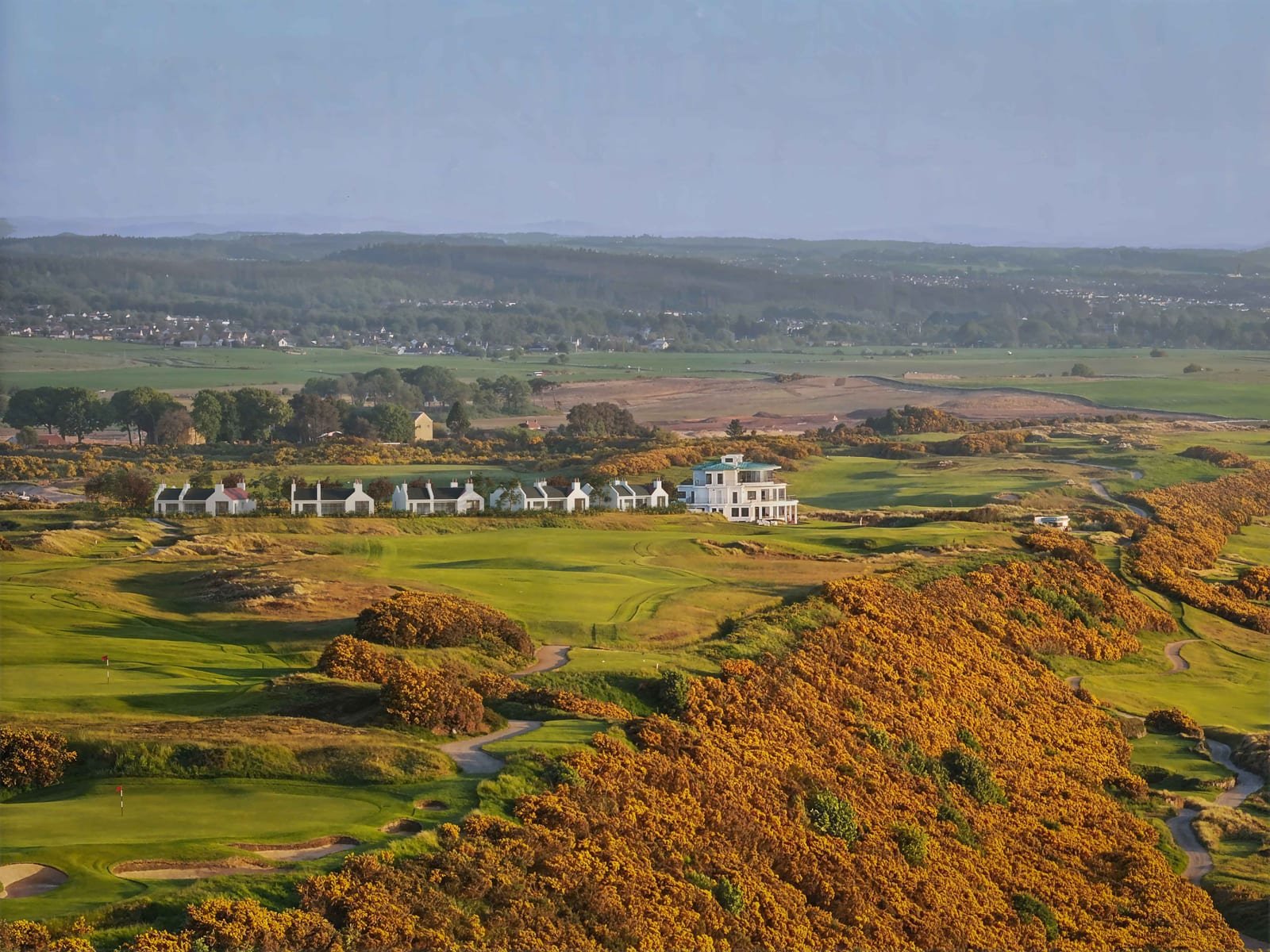
Kingshouse Hotel, Glencoe, Scottish Highlands
The Scottish Budget follows October’s UK Autumn Budget, which failed to address the industry’s longstanding concerns over hospitality VAT and employer National Insurance Contributions, according to the STA. Borrowing costs remain a concern for businesses and households, while the prospect of higher aviation fuel prices and airfares in 2027 adds to the challenges facing Scotland’s international tourism market.
Marc Crothall MBE, Chief Executive of the Scottish Tourism Alliance, said: “Scotland’s tourism and hospitality sector has demonstrated time and again its resilience and ability to adapt, but there is a limit to how much more businesses can absorb. Profit margins continue to be squeezed, and the ability to invest in their product, people and offer is hugely constrained.”
You Might Also Like:
 Climate Transition Plan sets priorities for food and drink sector
 UK food sector strengthens amid consumer confidence surge through Love British Food and Red Tractor alliance
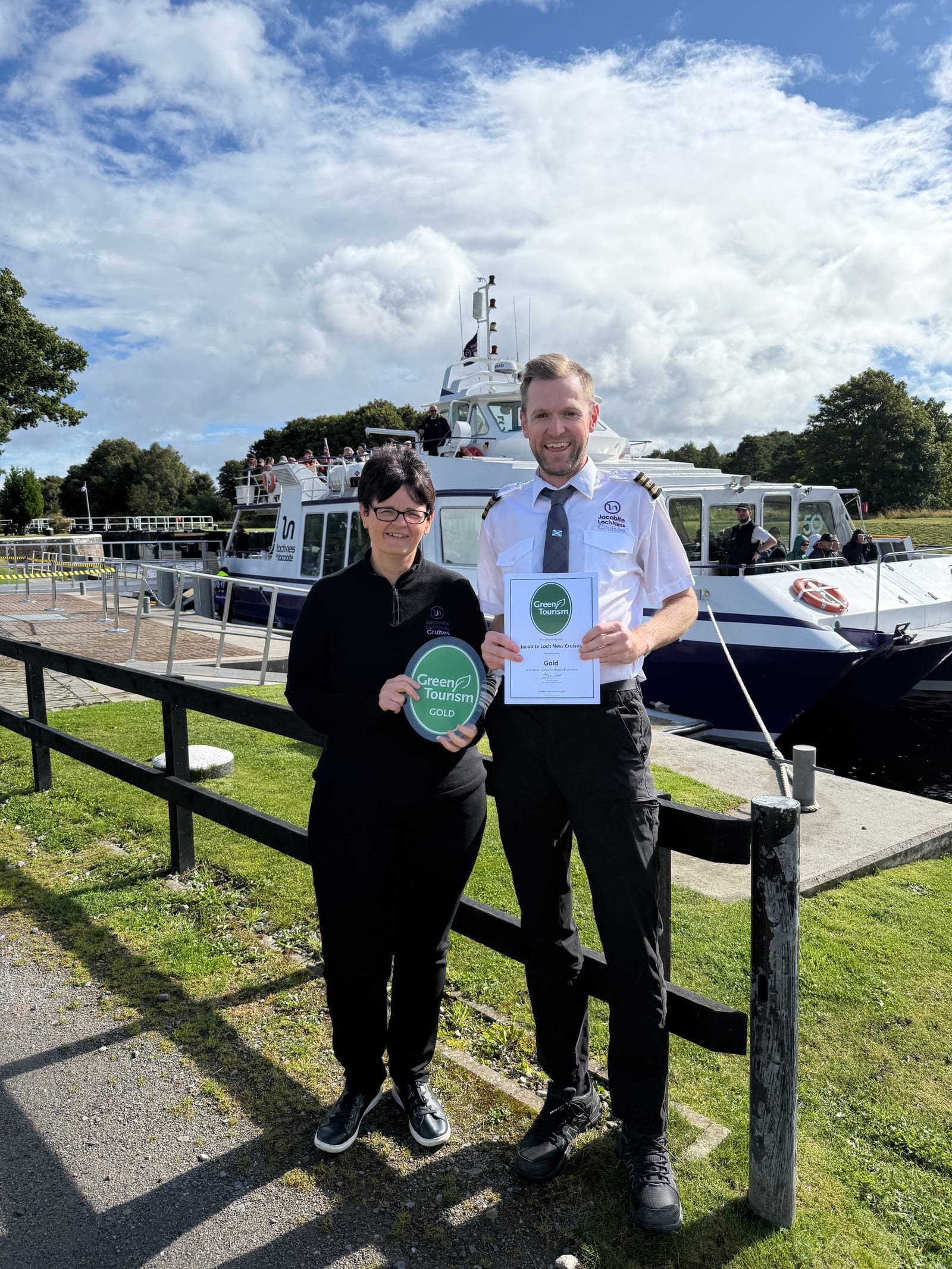
 Jacobite Loch Ness Cruises lands Gold Green Tourism Award
 Green Tourism updates certification standard as EU green claims rules tighten
He added: “The STA has been calling for business rates reform for many years. The independent review of the 2026 revaluation is welcome, but businesses need to know what happens next and when they can expect to see change. Rolling out reliefs every year isn’t sustainable. In the interim, existing rates support should be extended to businesses with rateable values over £100,000 to avoid unfairly penalising them.”
On the domestic market, Crothall said: “The domestic market has been challenging for some time, with families having less to spend on holidays and days out. Interest rates and the cost of borrowing are affecting businesses looking to invest too. Our members are also telling us that selling Scotland for 2027 is becoming more challenging.”
The STA’s six priorities for the Scottish Budget 2027-28 are: a fairer, proportionate tax system; greater investment in VisitScotland; support for international air connectivity and route development; continued investment in hosting major events, including the 2027 Tour de France Grand Départ and UEFA Euro 2028; establishment of a Scottish Tourism and Hospitality Growth Plan; and sector-specific funding for workforce skills development.