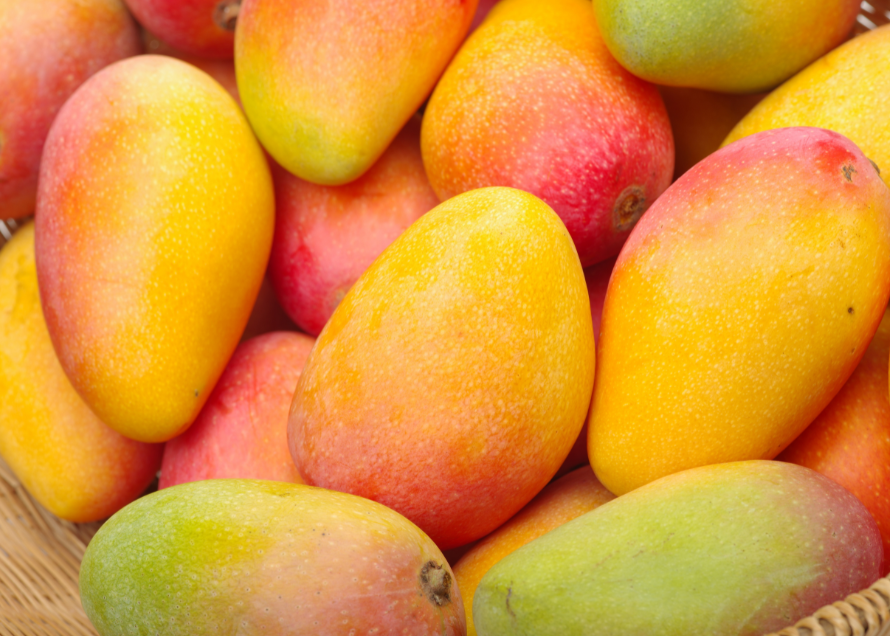
Scientists at Heriot-Watt University have uncovered some of the chemical compounds responsible for the distinctive mango-like aromas found in certain Scottish and Irish malt whiskies.
The research, carried out in collaboration with Japanese drinks group Kirin, could give whisky producers greater scope to enhance or reduce tropical fruit characteristics through existing production methods.
Takehiko Hiura, a PhD student at Heriot-Watt University, analysed 14 whiskies from Scotland and Ireland as part of the study. The work identified aldehydes and acetals – compounds already commonly found in whisky – as important contributors to tropical aroma properties.
While fruity flavours such as banana, apple and pear have long been associated with esters created during fermentation, the origin of mango notes in whisky had remained unclear.
Professor Annie Hill of Heriot-Watt’s International Centre for Brewing and Distilling said: “Fruity notes like banana, apple and pear have long been linked to esters, which are produced during fermentation.
“But we didn’t know where the mango flavour was coming from – and now we do.”
The researchers found that one whisky sample contained particularly high levels of three compounds: isobutyraldehyde, isovaleraldehyde and isovaleraldehyde diethyl acetal.
To test their impact, the team added the compounds to a whisky initially assessed as low in mango aroma. The tropical fruit character increased substantially, supporting the conclusion that the chemicals play a key role in shaping the whisky’s aroma profile.
Dr Calum Holmes, also of the International Centre for Brewing and Distilling, said the findings were especially encouraging because the compounds are already well understood within whisky production.
“The compounds that we found contribute to tropical notes, the aldehydes and acetals, aren’t new to whisky, they’re well understood,” he said.
“For whisky producers, that’s good news: it means they can hopefully dial up or tone down tropical aromas by manipulating existing process steps.”
You Might Also Like:


The findings were reported in the Journal of the American Society of Brewing Chemists.
The research comes as Heriot-Watt University advances plans for a new Centre for Sustainable Brewing and Distilling. The university is raising £35 million for the facility, which is intended to support innovation, research and skills development across the brewing and distilling sectors.