
Not everyone who loves food loves cooking. For a lot of people, the kitchen is less “creative playground” and more “daily admin”. Yet, eating well doesn’t have to mean learning to adore chopping onions or perfecting your knife skills. It can simply mean finding the easiest way to get decent food on the table with the least possible faff.
This feature is for the “can’t be bothered” crowd: people who care about what they eat, but would rather be anywhere than standing over a hob. Think of it as a survival guide to cooking just enough.
Lower the bar (on purpose)
The first mindset shift is simple: stop aiming for “proper meals” and start aiming for “good enough with minimal effort”. That might mean:
- Accepting repetition instead of chasing variety every night.
- Letting convenience foods do some of the heavy lifting.
- Measuring success in minutes saved and dishes avoided, not in Instagrammable plates.
If cooking feels like a chore, shrinking your standards (and your to‑do list) is not lazy; it’s strategic.
Build a tiny, repeatable rota
Most people who dislike cooking are overwhelmed not just by the cooking itself, but by the constant decision‑making. One of the easiest fixes is a “tiny rota”: five to seven ultra‑simple meals you’re happy to eat on repeat.
Examples that work well for non‑cooks:
- Tray‑bake dinners
Toss chicken thighs or good sausages with chopped veg and potatoes or gnocchi, add olive oil, salt and pepper, throw everything on one lined tray, and roast. No stirring, hardly any measuring, one piece of washing up. - Big‑pot food once a week
A pot of soup, chilli, lentil dahl or stew at the weekend becomes “meal bricks” during the week. Portion into tubs and freeze; on a bad day, you’re 5–10 minutes away from a hot meal. - “Assembly” bowls
Start with something starchy (microwave rice, couscous, noodles), add a protein (rotisserie chicken, tinned beans, halloumi, boiled eggs), then throw on pre‑washed salad or frozen veg. Finish with any sauce you like. You’re assembling, not really cooking. - Egg‑based saviours
Omelettes, frittatas, scrambled eggs on toast or baked potatoes with cheese and beans are fast, cheap, and filling. If you can crack an egg, you can make dinner.
Once you have a handful of low‑effort regulars, weekly cooking stops being a question (“What on earth do I make?”) and becomes a pattern (“It’s Tuesday: tray‑bake night”).
Decide what you actually hate
“Hating cooking” often means hating one specific part of the process. The solution depends on which bit is the real problem.
- If you hate chopping
Buy pre‑chopped onions, frozen mixed veg, salad bags and minced garlic or ginger. A food processor or cheap vegetable chopper can turn 10 minutes of knife work into 30 seconds of button‑pushing. - If you hate planning
Use loose themes instead of detailed meal plans. For example:- Monday – pasta
- Tuesday – tray‑bake
- Wednesday – eggs
- Thursday – something from the freezer
- Friday – “fun” (tacos, wraps, or a takeaway)
- If you hate washing up
One‑pan pastas, sheet‑pan dinners, non‑stick roasting tins, and lining trays with parchment or foil all help. Cooking everything in one pot is often the difference between “I’ll do it” and “I’ll just order in”. - If you hate the time it takes
Batch anything that takes longer than 20 minutes. Make double rice, double sauce, or double stew, and turn tonight’s effort into tomorrow’s instant meal.
Being honest about the bit you dread is key. Once you know whether it’s the chopping, the decisions, the time, or the mess, you can attack that one thing instead of declaring all cooking unbearable.
Use convenience food cleverly
There’s a strong cultural pressure, especially in food‑obsessed circles, to cook “properly”. For reluctant cooks, that’s a fast road to guilt and Deliveroo. Convenience ingredients are not cheating; they are tools.
Smart shortcuts that still feel like real food:
- Microwave rice, chilled grains and pre‑cooked lentils you can turn into salads, stir‑fries or burrito bowls.
- Good‑quality jarred sauces: pesto, curry pastes, tomato and basil, satay. Use them as a flavour base rather than starting from scratch.
- Supermarket roast chicken, falafel, hummus and slaws for instant “no‑cook” plates with bread or wraps.
- Ready‑made soups “upgraded” with extra veg, beans, chilli oil or a slice of toast and cheese on top.
Think of it as assembling and upgrading, not slaving over a stove. You’re still feeding yourself; you’re just outsourcing the boring bits.
Make the experience less miserable
You might never be the sort of person who unwinds by kneading bread dough, and that’s fine. But you can make cooking just tolerable enough that you don’t avoid it completely.
A few easy wins:
- Cook at the time of day you have the most energy, even if that means making dinner at 3pm and reheating later.
- Put on a podcast, playlist or radio show and treat kitchen time as “ear entertainment” time.
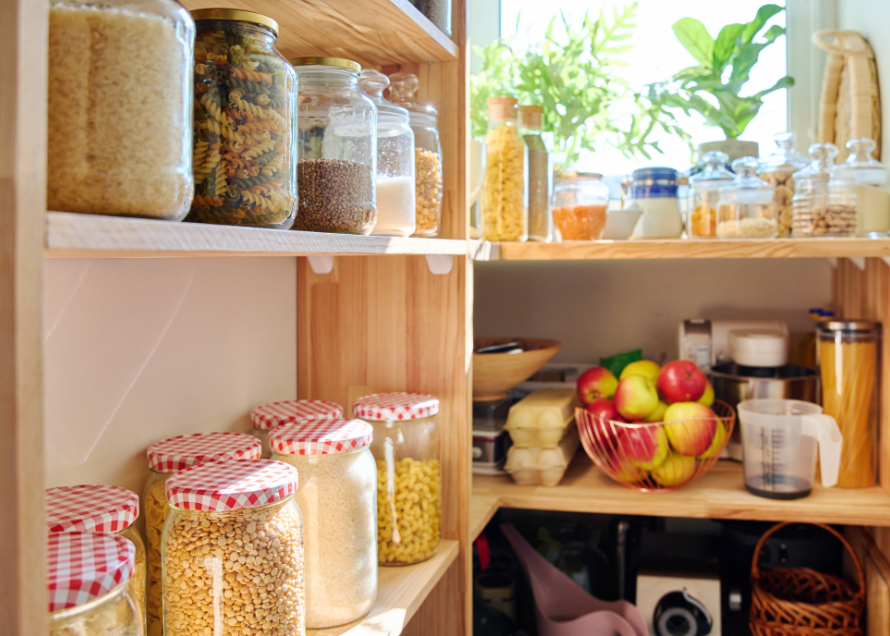
- Keep your go‑to ingredients in the same place every week so you’re not hunting through cupboards.
- Save every “this was actually fine” meal in your notes app so, on tired evenings, you can scroll for something you know works.
Over time, you might discover that while you still don’t love cooking, you don’t hate feeding yourself quite as much as you used to.
A “bare minimum” sample week
For readers who want a concrete starting point, here’s a very simple, very repeatable structure.
You Might Also Like:
 Ukrainian Women celebrate heritage through cooking at Edinburgh New Town Cookery School
 Foraging in Scotland: Discovering Wild Ingredients and Cooking with Nature’s Bounty
 Scots hiding drinking habits: 65% admit lying on medical forms, study finds
 £300k investment boosts Gutsy Health’s mission to tackle rising UK gut-health issues
- Monday: Pasta night
Dried pasta, jarred sauce, frozen peas or spinach stirred through, grated cheese. Extra points for a bagged salad on the side. - Tuesday: Tray‑bake
Chicken thighs or sausages, potatoes, carrots and onions on one tray; olive oil, salt, pepper, herbs; roast until golden. - Wednesday: Eggs for dinner
Omelette with cheese and any odds and ends from the fridge, plus toast. - Thursday: Freezer night
Batch‑cooked soup or chilli from the weekend, reheated with bread, rice or a baked potato. - Friday: Fun food
Tacos, wraps, or a deliberate takeaway. No guilt – it’s part of the plan, not a failure of willpower. - Weekend: One big pot
Make a big pan of something you don’t mind eating twice (or more). Portion and freeze. Future‑you will be grateful.
The takeaway (without the app)
Cooking doesn’t have to be a hobby to be useful. For those who hate the whole business, the most sustainable approach is not to transform into a keen home cook, but to design a system that works even on your worst days: less choice, fewer steps, more shortcuts, and meals that are “good enough” rather than perfect.
If that gets you fed, keeps the washing up under control and frees up your energy for the things you actually enjoy, that is success.