By Professors Pietro (Pete) Iannetta and Geoff Squires,
Long before turkey, shortbread and mulled wine became the flavours of a Scottish Christmas, the midwinter table was shaped by something far more humble – peas and beans. For centuries they were the dependable foods that saw families through the ‘dark season’, being nutritious, easy to store, and woven deeply into Scotland’s cultural traditions.
Historical records show that across the Lowlands, pea or bean meal was mixed with barley to make everyday flatbreads or bannocks. Cooked on girdles used since medieval times, these breads were the winter staple of many households. On Christmas Eve, some families watched their peasemeal bannock closely. A bannock that cracked foretold hardship; one that baked cleanly promised better fortunes.
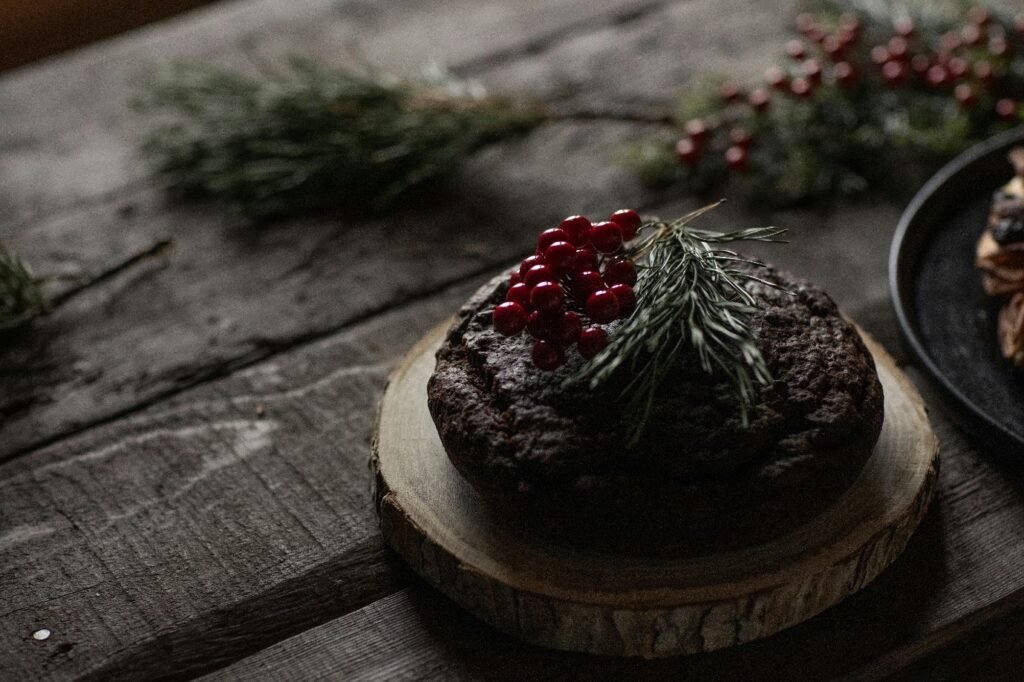
Peas and beans also carried festive meaning. Take the once-famous Scottish Black Bun, a dense fruit-and-spiced loaf baked, not for Christmas but for the New Year. In the Scottish Borders, a dried bean hidden inside the New Year black bun crowned its finder ‘King ‘or ‘Queen’ for the night. It was a small moment of joy in the winter darkness and an echo of older European winter customs.
Folklore from Ayrshire and Dumfriesshire tells of the Guidwife (the female head of a Scottish household) who gave her last ‘pease pottage’ to a traveller on Christmas Eve and found her pot miraculously refilled by morning – a reminder that generosity is the true heart of the season.
These foods mattered in the fields as well as the kitchen. Monastic leases from the 1400s required tenants to sow peas and beans as part of a proper crop rotation, what we would now call ‘sustainable farming’. Agricultural improvers in the 1700s praised these hardy crops, but their use faded with the rise of artificial nitrogen fertilisers and food system industrialisation in the early 20th century. Today we eat plenty of beans, though most are grown far from Scottish soil – their environmental benefits also forfeited.
You Might Also Like:


Yet peas and beans once shaped how Scotland survived winter, practically, ritually, and symbolically. They were foods of resilience and quiet celebration.
Individually, these records of bannocks, folktales, monastic leases, and crop rotations seem small. Together, however, they form a tapestry of winter life in Scotland: a rhythm of land and table, of necessity and meaning. Before the modern Christmas took hold with its bright lights and imported luxuries, peas and beans stood quietly at the heart of the season. They were nourishment, foresight, generosity, and resilience.
They remind us of values worth keeping – resourcefulness, hospitality, respect for the land, and the hope of getting through challenging times. Together.