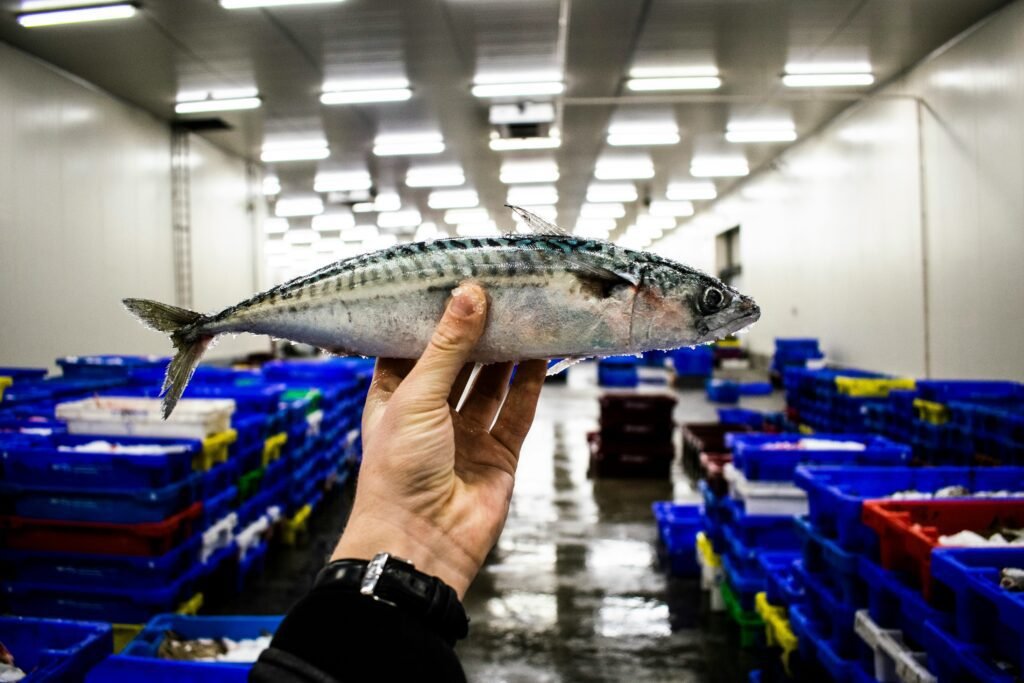
Waitrose is to stop selling mackerel from Scottish waters in a landmark sustainability move, becoming the first UK supermarket to suspend all North East Atlantic mackerel sourcing over fears the stock is being overfished. “By suspending sourcing of mackerel at Waitrose we are reinforcing our ethical and sustainable business commitments, acting to tackle overfishing and protect the long-term health of our oceans and this crucial fish,” said Jake Pickering, Head of Agriculture, Aquaculture & Fisheries at Waitrose.
Fresh, chilled and frozen mackerel will disappear from Waitrose counters by 29 April 2026, with tinned lines to be phased out once existing stock sells through. All of the retailer’s North East Atlantic mackerel comes from Scottish waters, and from May 2026 the fishery will no longer meet Waitrose’s responsible sourcing standards, which are aligned with the Sustainable Seafood Coalition’s codes of conduct. “Our customers trust us to source responsibly, and we are closely monitoring the fishery. We look forward to bringing mackerel back to our shelves once it meets our high sourcing standards,” Pickering added.
The decision is underpinned by increasingly stark scientific advice. In 2025, the International Council for the Exploration of the Sea recommended that North East Atlantic mackerel catches be cut by around 70% in 2026 to allow the stock to recover, while a later deal between four Coastal States delivered only a 48% reduction – a compromise branded insufficient by campaigners. WWF has urged UK retailers to stop sourcing mackerel, while ocean campaign group Oceana warned that the agreed cut “does not go far enough” and should have been closer to ICES’ recommendation.
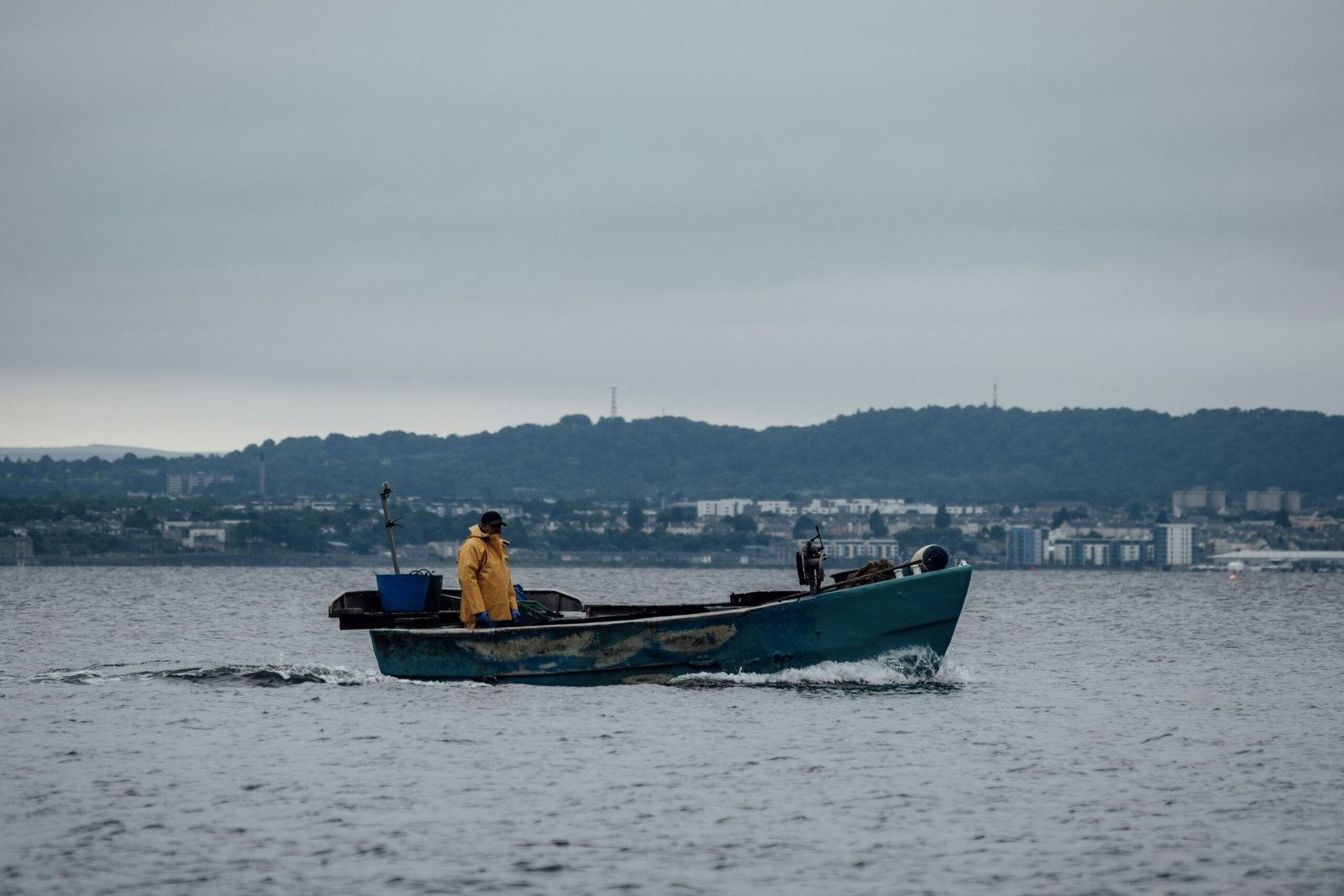
For Scottish readers, the move is highly symbolic: Waitrose’s entire North East Atlantic mackerel volume is sourced from Scottish waters, meaning skippers and processors here will feel the impact first. Fishing groups have already criticised the suspension, warning it sends a “damaging signal” to coastal communities, while NGOs have hailed it as the kind of market pressure governments have so far failed to exert. Waitrose insists it will maintain long-standing supplier relationships, but is clear that stock health, not sentiment, will determine when mackerel returns.
On the shop floor, the retailer is lining up a raft of new oily-fish options to keep Scottish and UK customers hooked. From April, Waitrose will launch a new smoked range including Scottish Hot Smoked Herring and Scottish Hot Smoked Peppered Herring – both MSC certified – alongside a supermarket-first Hot Smoked Sweetcure Seabass and Hot Smoked Trout with Dill & Lemon, which carries RSPCA Assured status. From May, MSC-certified frozen sardine fillets will arrive as the designated replacement for frozen mackerel.
Dr Joanne Lunn, Head of Health & Nutrition at Waitrose, stressed shoppers would not be losing out nutritionally by swapping species. “Whether it’s sardines or herring from our new smoked fish range, we are bringing the same high quality and great taste our customers look for,” she said. “These products offer a powerful nutritional profile and health benefits that mirror closely those of mackerel. They are natural sources of omega-3 which helps to maintain normal functioning of the heart, brain and vision, making it effortless to incorporate functional, nutrient-dense foods into your daily routine.”
You Might Also Like:
 ‘Pride in the Seas 2’ Puts Scotland’s Fishing Heroes in the Spotlight
 Iconic Edinburgh bar slashes pint price by 25% following landmark legislative move
 Ullapool’s Seaforth restaurant beats 130-mile local sourcing challenge by 11 Miles
 Scottish salmon industry delivers £1 billion economic boost in landmark year
Waitrose will also use the shift to reinforce its credentials in the tinned aisle. It plans to become the first UK retailer to move to 100% MSC-certified tinned sardines across seven products, with the blue eco-label rolling out on all sardine tins from this month. That would make it the only supermarket with fully MSC-certified sardines both in cans and on fresh counters – a point of difference likely to land well with ethically minded Scottish shoppers.
For the John Lewis Partnership, of which Waitrose is a part, the mackerel decision is being framed as part of a much bigger pivot. “Responsible fishing is not a standalone issue for us – it sits within our wider Ethics and Sustainability commitments, including our net zero ambitions, zero deforestation goals, biodiversity protection and our work to set science based targets for nature,” said Marija Rompani, Director of Ethics & Sustainability. “We believe sustainable food production must balance climate action, nature protection and responsible fish sourcing is fundamental to protecting our oceans.”
With Scottish fleets, environmental NGOs and rival grocers now watching closely, the question is how quickly the science – and the politics – can move. If Waitrose’s stance helps drive tougher, quota‑sharing deals in the North East Atlantic, it may yet speed the return of Scottish mackerel to its counters. Until then, the retailer is betting that customers will back a bolder line on sustainability – and be willing to switch to herring, sardines and trout while one of Scotland’s best-known fish gets a breather.