A Gloucestershire-based smokery has been accused of misleading customers into believing its fish were wild-caught in English rivers, despite sourcing salmon from farms in Scotland and abroad.
Severn & Wye Smokery, located in Chaxhill near the River Severn, has faced criticism over packaging that features a fly-fishing logo and references to the Severn and Wye rivers. Critics argue the design and wording could give the impression that the salmon is wild-caught from local waters.
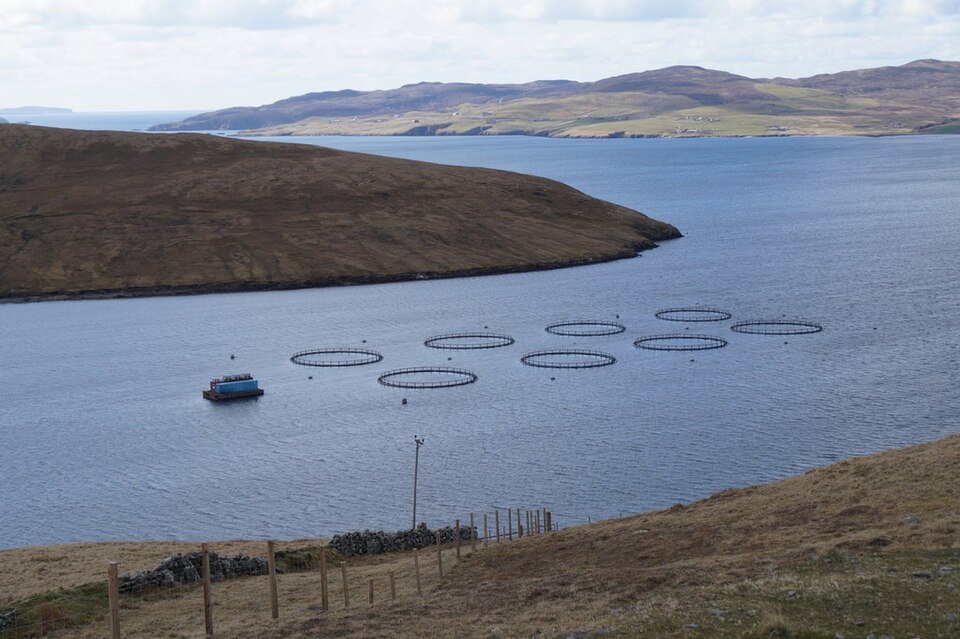
The packaging states that Severn & Wye sources its fish from farms in Scotland, Norway, Iceland, and the Faroe Islands. It also highlights the smokery’s location “between two of England’s most celebrated salmon rivers” and claims to practise “the old-fashioned art of smoking only the highest quality fish and meat.”
Don Staniford, director of campaign group Scottish Salmon Watch, lodged complaints with the Advertising Standards Authority, Trading Standards, and the Competition and Markets Authority. He alleged that the combination of the fly-fishing imagery and nostalgic text creates “a strong impression of wild provenance and traditional river fishing.”
Staniford told The Times that such marketing could “mislead consumers into thinking their salmon is wild-caught from the Rivers Severn or Wye,” despite commercial salmon fishing being banned in the area for the past four years due to dwindling fish populations.
Severn & Wye Smokery, which holds a royal warrant and was founded by Richard Cook, strongly denied any misleading intent. The firm said the logo depicts Cook’s father fly-fishing and serves as a family emblem rather than a claim of provenance.
You Might Also Like:
No related posts.
In a statement, the company said: “The salmon-consuming public are highly capable of seeing the logo as a mark of brand identity, not indicating a method of capture. In much the same way, buyers of Laughing Cow cheese do not believe it comes from red cows, nor do Lacoste customers assume their clothes are made from crocodile skin.”
The smokery also said its labelling clearly identifies the salmon as farmed, leaving “no doubt about the source of the fish.” It added that the marketing text merely describes the business’s location rather than implying wild origins.