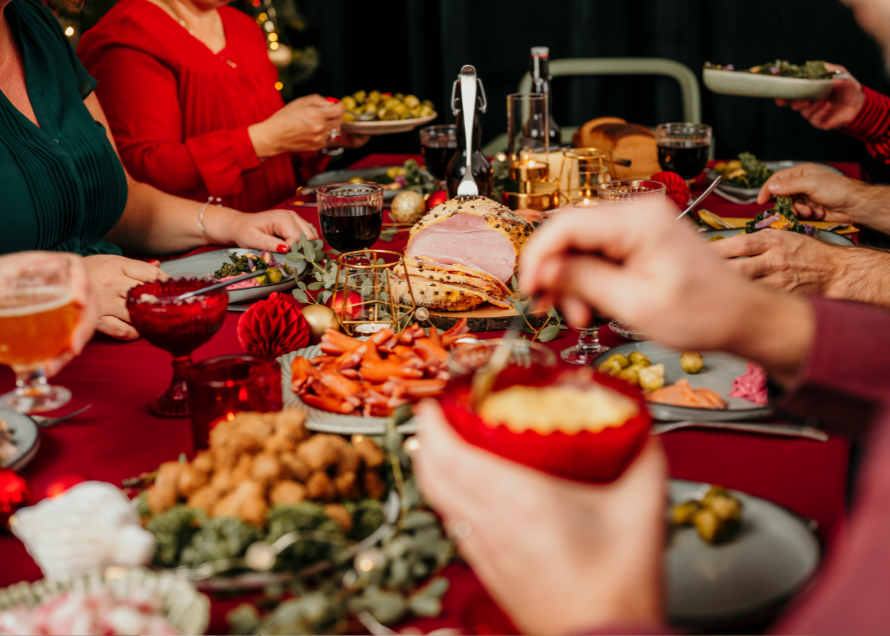
Christmas, like many celebrations, tends to revolve around sharing meals with friends and family, spreading generosity and joy. A time when people want to ensure plenty of food is on the table. However, there is the unwelcome peril of buying or cooking too much, stealing the fun from Christmas by filling our bins with food we have worked hard to buy and prepare.
The millions of tonnes of edible food thrown in the bin, combined with the cost of living, do not make for a very merry Christmas. Food waste costs on average £1,000 for a household of four every year – which equates to more than 20 times the average Christmas Day food and drink spend per person (based on the predicted average price of £48.19 a head this year*). Wasted food also feeds climate change, with 16 million tonnes of CO2 generated by UK homes from wasted consumable food and drink each year.
But hard-earned feasts needn’t be destined for the bin. Love Food Hate Waste’s nationwide festive food campaign is the hero helping people make the most of the Christmas food they buy with festive food storage advice, magical meal planning tips, and ‘Love Your Leftovers’ recipe ideas.
Cowboy-core is riding high right now so Love Food Hate Waste has given it a seasonal twist with their ‘Most Wasted’ food characters – who make regular appearances in both Christmas dinner and Thanksgiving feasts across the pond.
A series of ‘Most Wanted’ style posters will feature:
- Spud McRoast (potato)
- Gobbler McGee (turkey)
- Sheriff Redroot (carrot)
Catherine David, CEO at WRAP said: “A third of all the food we grow is wasted, and it’s so noticeable at Christmas: a time when we want to put on a feast, but at the same time household budgets are particularly stretched. We can make our cash go further, and protect our planet’s precious resources, this Christmas by ensuring we make the most of our leftovers and follow Love Food Hate Waste’s simple tips and tricks to ensure we love our food, hate our waste, and make sure as much food as possible goes onto people’s plates and into their tummies!”
Festive food storage
The fridge is overflowing, drinks are in an ice bucket in the garden, the freezer is full of UFOs (unidentified frozen objects) and cupboards are stacked to bursting. Throughout the year, nearly 40% of wasted food waste happens because it isn’t used in time – people think the product smells/looks off or it is past its date label. The festive period is a particularly easy time to lose track of exactly what has been bought, where it is and when it goes off.
Don’t get roasted – over the year in UK homes, 480,000 tonnes of potatoes are binned, representing a staggering 41% of all potatoes bought. Store potatoes (and all other uncut fruit and veg, bar onions, bananas and whole pineapples) in the fridge at 5 degrees Celsius or below to help keep them fresher for longer and prevent waste.
Know your labels – ‘best before’ labels denote food quality and are found on most dried, packaged and canned foods, as well as some fruit and veg. Food past its ‘best before’ date is safe to eat for days, months or even years after the date and people should use their own judgment to decide if their food is edible. ‘Use by’ labels refer to safety – do not eat food past this date. Use the freezer as a ‘pause button’ on Christmas staples like poultry (right up until midnight of the ‘use by’ date) and then defrost safely when needed. Label items with what it is and the date it was frozen – it should be good for six months after freezing.
Magical meal planning
Overall, a quarter of household food waste in the UK happens because people cook, prepare or serve too much. Catering for larger groups is challenging, but Love Food Hate Waste’s Food Portion Calculator makes it easier to buy and then serve the right amount for big celebrations. Simple meal planning, mapping out how many guests are coming, their ages and appetites, plus any dietary preferences and allergies, can make it easier to not buy excessively. Check what you’ve already got before racing to the shops again.
Love your leftovers: feast smart, waste less
The pressure of the main event is over and the lazy days between Christmas and New Year have arrived. Inevitably, there are leftovers so this is where a break can be had from the kitchen. Whether you bought or cooked too much, save yourself time and money by transforming those leftovers into delicious new meals. Spare ‘Spud McRoasts’ and ‘Sheriff Redroots’ bulk out a ‘Gobbler McGee’ curry, while surplus stuffing goes well in a sandwich.
Many areas in the UK already have food waste recycling collections, which should be used for any food that can’t be eaten. Throwing food waste in the rubbish bin has a negative environmental impact as the food gets incinerated or breaks down with other waste in landfill, producing harmful greenhouse gases. Instead, like with cans, cardboard and glass, recycling your food waste enables it to be turned into something useful, including renewable energy and bio-fertiliser
Household food waste collections – and food recycling caddies – can help people physically see and recognise the amount and type of food they are throwing away, creating opportunities to reflect and shift mindsets. This can spur people into action, changing the way they manage food to help reduce the amount they waste in the first place. Check Recycle Now for food waste recycling locations.
Circular Economy Minister Mary Creagh said: “Over half of food waste happens in our homes so reheating extra roasties and making the traditional turkey curry can save money and cut carbon emissions.
“Together with the government’s £13.5m grants to food charities to redistribute 19,000 tonnes of surplus food from farms, small changes can make the Christmas food shop go further and end up in the freezer not the food waste caddy.”
You Might Also Like:
No related posts.
Don’t let food waste be the outlaw of Christmas future.
Head to lovefoodhatewaste.com to find out ho ho ho-w households can maximise their festive food this year, and every year.
Also see: Love Food Hate Waste: Feast Smart, Waste Less | WRAP – The Waste and Resources Action Programme