
By Stewart Pennington, Partner and Deputy Head of Food and Drink, Johnston Carmichael
When Hollywood’s elite gathered at the 2026 Golden Globes, among the luxury items in their exclusive gift bags was a unique whisky from the Isle of Harris Distillery. Just 221 bottles of the limited-edition version of The Hearach Single Malt Scotch were crafted for the ceremony, placing a small Scottish island community at the heart of one of the world’s most high-profile awards ceremonies and showcasing our acclaimed food and drink on the global stage.
Yet this success story masks the relentless pressures facing producers closer to home. Brexit disrupted supply chains and export markets, the pandemic forced operational upheavals, and the cost-of-living crisis squeezed margins as consumers traded down whilst input costs soared. Just as businesses hoped for respite, new regulatory hurdles have emerged.
This month’s introduction of High in Fat, Sugar or Salt (HFSS) regulations represents a significant shift in how food and drink products can be marketed and positioned. At the same time, businesses face mounting pressure to adopt sustainable packaging solutions, while the recent extension of the sugar tax to milk drinks in the Autumn Budget 2025 adds yet another layer of complexity, fundamentally altering the economics of entire product categories. However, businesses that reformulate products to reduce sugar or salt are at risk of VAT reclassification unless managed carefully.
Where do manufacturers go from here? History suggests we should be optimistic. Food and drink producers have repeatedly demonstrated remarkable resilience, responding adeptly to evolving consumer tastes and market conditions. Last year, Johnston Carmichael’s annual food and drink survey highlighted growing interest in automation and a genuine desire to innovate amongst businesses determined not just to survive, but to thrive.
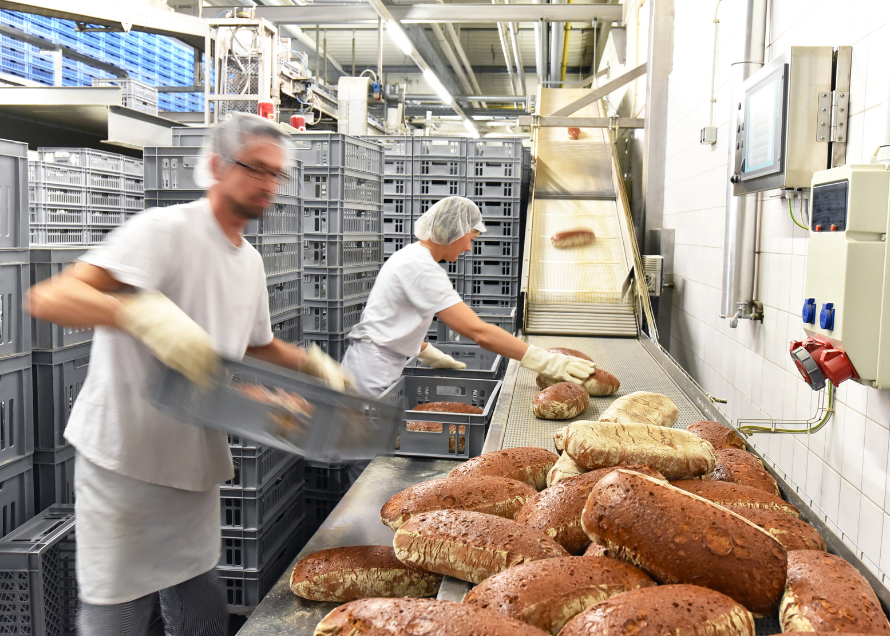
This sector, which last year achieved a record turnover of £19bn and is now Scotland’s third largest by value, has long been characterised by its entrepreneurial spirit and adaptability. Many businesses are already exploring new product lines that meet regulatory requirements while tapping into emerging consumer trends around health and sustainability. Investment in technology and process improvement is accelerating, with forward-thinking operators viewing current challenges as opportunities to gain competitive advantage.
The innovation we’re seeing is genuinely exciting. From novel protein sources to gluten-free goods, Scottish food and drink businesses are at the forefront of industry evolution. Those who embrace change strategically, rather than simply reacting to it, are positioning themselves for significant growth in both domestic and export markets.
You Might Also Like:
No related posts.
Scotland’s food and drink sector has overcome challenges before and will do so again. With the right blend of innovation, strategic planning, and collective advocacy, the industry’s future continues to be bright – and we are committed to playing our part in its ongoing success.