Hundreds of workers have been made redundant and dozens of bars have closed after Aberdeenshire-based craft brewer BrewDog collapsed into administration. The US drinks and medical cannabis firm Tilray has stepped in to acquire the company’s UK brewing business, brand rights, and 11 operational bars in a £33m rescue deal. The agreement, confirmed by administrators AlixPartners, preserves 733 jobs but leaves 484 staff unemployed after 38 bars were excluded and ordered to close with immediate effect.
“Regrettably, a total of 38 bars in the UK will close with immediate effect, leading to 484 redundancies,” the administrators said.
Scottish closures laid bare
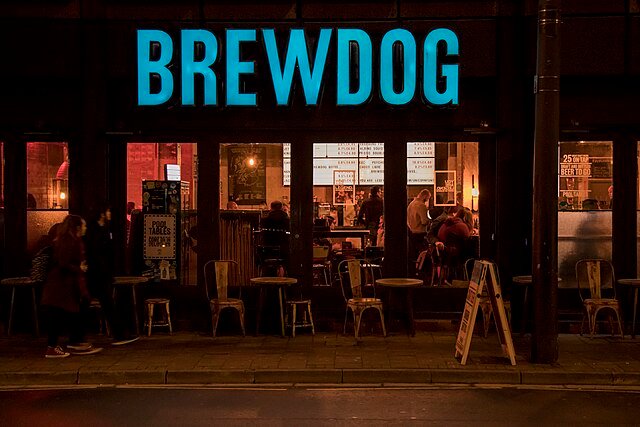
Scotland has been hit particularly hard, with most BrewDog venues north of the border shutting their doors for good. Bars closing include: Aberdeen Castlegate, Aberdeen Union Square, Edinburgh Cowgate, Glasgow Merchant City, Glasgow Argyle Street, Inverurie, Perth, St Andrews and Stirling.
Only three Scottish bars are being carried into the new ownership structure: DogTap in Ellon, along with DogHouse Edinburgh and Edinburgh Lothian Road.
Gordon and Buchan MP Harriet Cross, who represents the constituency where BrewDog is based in Ellon, Aberdeenshire, said: “The loss of 484 jobs and the closure of 38 bars is disastrous, both for the North East and the rest of the UK.
“My immediate thoughts go to the hardworking staff who have been impacted by this through no fault of their own.
“Tilray has told me, in its words, that brewing operations in Ellon remain central to the business and the company has no plans to relocate production from Scotland.
“These cutbacks will be deeply concerning for everyone who has an association with BrewDog.
“This announcement underlines the growing issues facing the drinks industry and hospitality sector, with challenging market conditions causing financial difficulties like this.
“I will immediately be writing to BrewDog’s new owners asking where these affected roles are, the future plans for the business, and what support is being given to staff at this unsettling time.”
Unite, which represents thousands of hospitality workers, has also condemned BrewDog’s handling of the collapse. General secretary Sharon Graham said:
“BrewDog workers built this brand. They deserved respect. Instead, they were treated as disposable pawns.”
Unite’s national hospitality lead Bryan Simpson described the conduct of senior management as “nothing short of a national disgrace”, adding:
“For the CEO to tell workers that they were redundant with immediate effect, on a conference call with only 25 minutes notice, has echoes of P&O and is deplorable.”
Tilray takes control of Ellon brewery
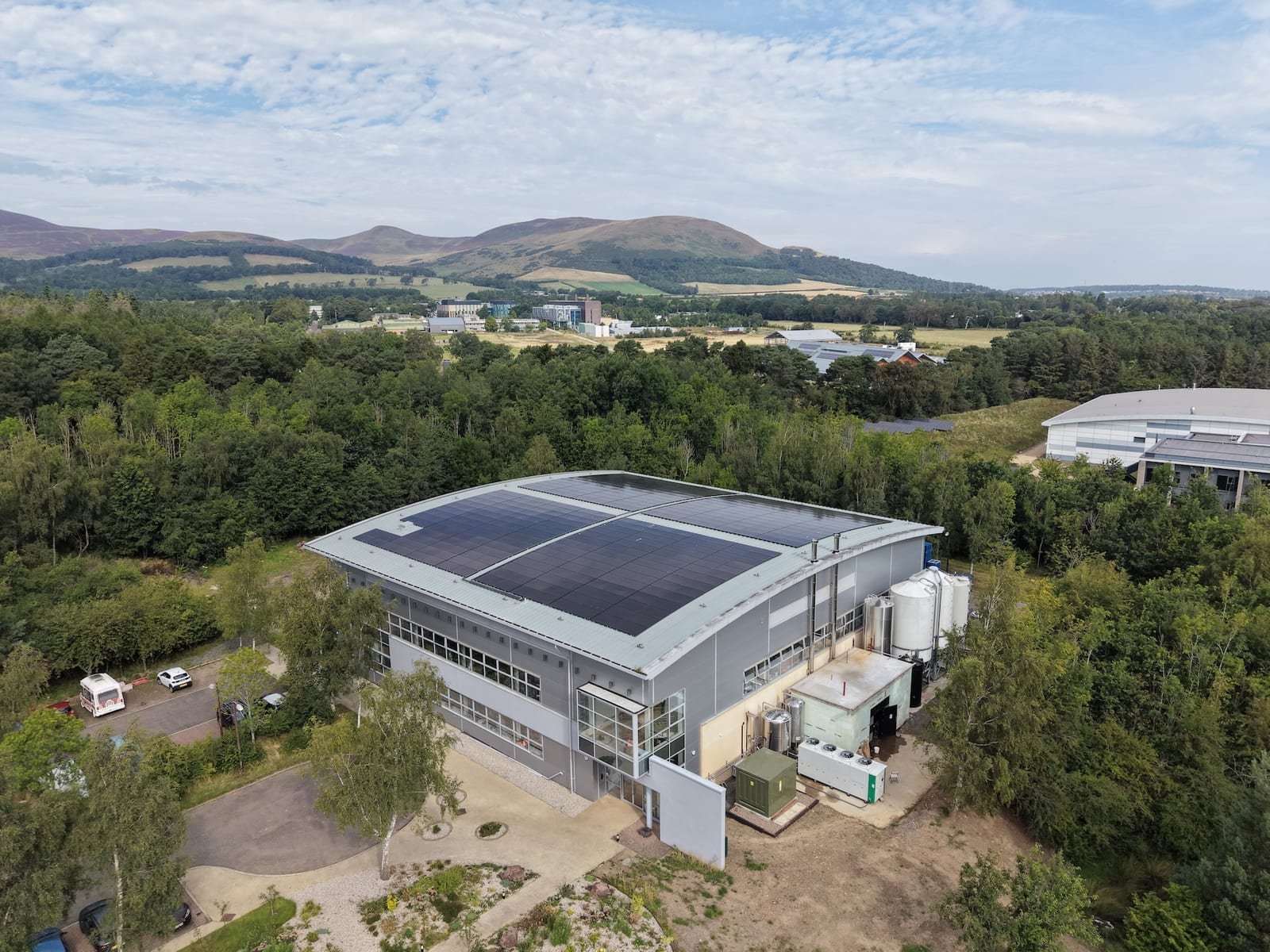
Tilray will take control of BrewDog’s main brewery in Ellon, Aberdeenshire, and The Hop Hub national distribution centre in Motherwell, Lanarkshire, alongside 11 “profitable” bars in Birmingham, London, Manchester, Ellon, Edinburgh and Dublin.
The company, founded in Canada and now headquartered in New York, already owns several US craft beer brands and has described the deal as a significant opportunity for growth in UK and international markets. BrewDog’s 18 franchise bars in the UK and overseas will continue trading as normal. Its German arm, including a brewery and bar in Berlin, will be liquidated, while negotiations continue over assets in the United States and Australia.
No equity holders will see a return from the sale – including around 200,000 small-scale backers in the Equity for Punks crowdfunding scheme. The programme, launched in 2009, raised roughly £75m as investors typically put in about £500 in exchange for a stake, discounts and other perks.
Their position was behind that of US private equity firm TSG Consumer Partners, which took a 22% stake in 2017 via preference shares that had to be repaid ahead of ordinary shareholders. Many small investors had already warned they feared their holdings would end up worthless.
From rebel outsider to corporate crash
Founded in 2007 by friends James Watt and Martin Dickie, BrewDog grew from a self-styled punk upstart in Aberdeenshire into a global brand with four breweries and about 100 bars worldwide at its height. Within a decade, its valuation was reported to be around £1bn, powered by aggressive marketing and rapid expansion.
You Might Also Like:
No related posts.
The past five years, however, have brought a painful comedown. The company failed to make a profit, racking up losses approaching £150m, and was weighed down by debt. It struggled through the Covid pandemic, announced a £37m loss in its most recent accounts, and began shutting sites across the UK, including its flagship Aberdeen bar.
Its public image was further damaged by controversy over dropping the real living wage for new staff and a BBC Scotland documentary featuring allegations about workplace culture and the behaviour of former chief executive James Watt. Watt later moved into a new “captain and co‑founder” role, while co‑founder Martin Dickie left the business last year.
All BrewDog bars were closed on Monday to allow staff meetings, with online sales temporarily suspended. For a brand that once revelled in its outsider status, the final act has resembled any other corporate collapse – with staff, communities and small investors left to absorb the impact.