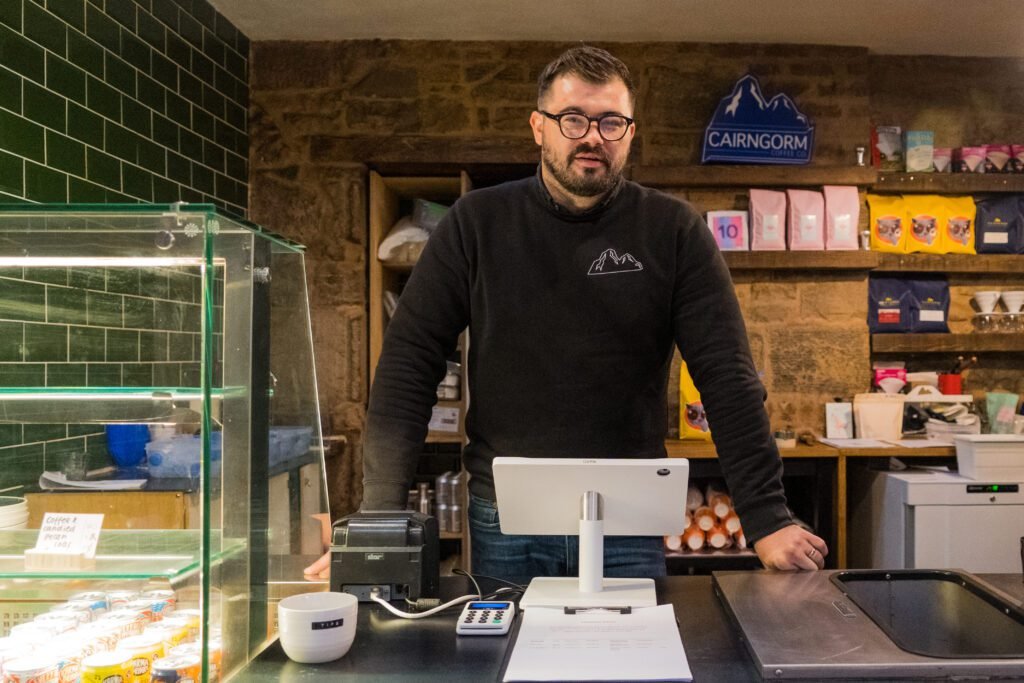
Coffee roasters and cafe owners say the ‘lack of support’ from the Government for their industry harks back to the Covid-19 pandemic.
Soaring business rates and energy costs are just some of the massive hurdles faced by talented coffee producers baristas up and down the UK.
As Glasgow gears up for a record-breaking 12th annual Coffee Festival, those behind the counters are fearful of what lies ahead if support isn’t provided imminently.
Lisa Lawson is the founder of Glasgow Coffee Festival and Dear Green Coffee Roasters.
She said: “Glasgow Coffee Festival 2026 is set to be our biggest and best yet. It will showcase everything that is so well-loved about this incredible industry that’s bursting at the seams with talent. But many of our favourite businesses competing at the event are being squeezed from all sides with rising energy, labour, rent, and product costs.
She added: “We’re seeing new café operators exit as soon as their leases allow, with little meaningful support for our sector or its supply chain. As a coffee roaster, we feel the impact of a volatile global market and record highs in our raw coffee prices. Independent businesses have become resilient by necessity, but constant firefighting isn’t sustainable.”
Lisa stresses that more must be done by those in power to ensure no more businesses go under.
Coffee pioneer Lisa continued: “The government could make a real difference through targeted relief, such as business rates reform and energy cost support. “Cafes are the heart of the community, giving them and their suppliers the breathing room to grow, not just survive, which will have a positive impact on all of those around them.”
The same sentiments are felt by Robi Lambie, a fellow festival exhibitor.

Robi is the founder of Cairngorm Coffee Roasters and fears a ‘COVID-like experience’ is on the horizon for those in his industry as businesses ‘struggle’.
He said: “It feels like we are heading towards a COVID like experience for hospitality with the increased pressure from NI hikes, ingredient costs and now wage expectations rising as they always do at this time of year. The obvious difference is that the government is under way less pressure to recognise that businesses are really struggling.
“In Edinburgh the councils biggest form of income seems to be business rates, making small businesses like cairngorm essential to the success of our city, yet I don’t see the quantifiable benefits that we receive for these rates when we are forced to require additional wastage contracts and thousands of pounds in external seating licenses. Supposedly Scotland was set to pay 70% more in business rates than England.
“It really does feel like one of the toughest climates I’ve experienced, maybe even harder than COVID due to the lack of support.”
In 2025, 95% of hospitality businesses in the UK reported increased wage costs and 57% experienced rising energy costs. In addition, one roaster in London, Bridge Coffee Roasters, found that coffee prices nearly doubled during 2024 due to supply shocks and climate issues. Energy inflation was the reason behind coffee shop operating costs increasing by 10% last year. The uphill struggles for business owners who currently face one of the ‘heaviest tax burdens in the UK’.
Yet there is no doubt that there is an appetite for not just coffee but coffee shops too. The UK cafe market is reported to be worth around £6.1 billion as more and more people choose to use cafes as places to work and socialise.
And that appetite will be felt at the Glasgow Coffee Festival with the 12th annual event just a few weeks away.
Almost 3,000 people are set to descend on The Briggait where the UK’s Best Roaster competition will take centre stage for the first time ever.
The competition – which features roasters from London to Aberfeldy – will showcase the precision and expertise behind the perfect bean. Each finalist is required to roast an identical coffee to their own specifications, while also submitting a sourced coffee of their choice to represent their brand’s style. A blind, peer-assessed cupping will take place on April 17. The winner will be announced on April 19 – the festival’s final day.
Expert-led talks, workshops, and tastings are also on the packed festival bill where punters will be able to enjoy the competition coffees at the Best Roaster UK stand, and be part of the competition by voting for the Public’s Choice live at the fest.
Now in its 12th year, GCF26 remains the world’s most sustainable coffee festival, maintaining its strict ban on single-use cups and focusing on the long-term growth of the independent hospitality sector.
Tickets for the Glasgow Coffee Festival are on sale now. To learn more and to book your tickets, visit glasgowcoffeefestival.com.