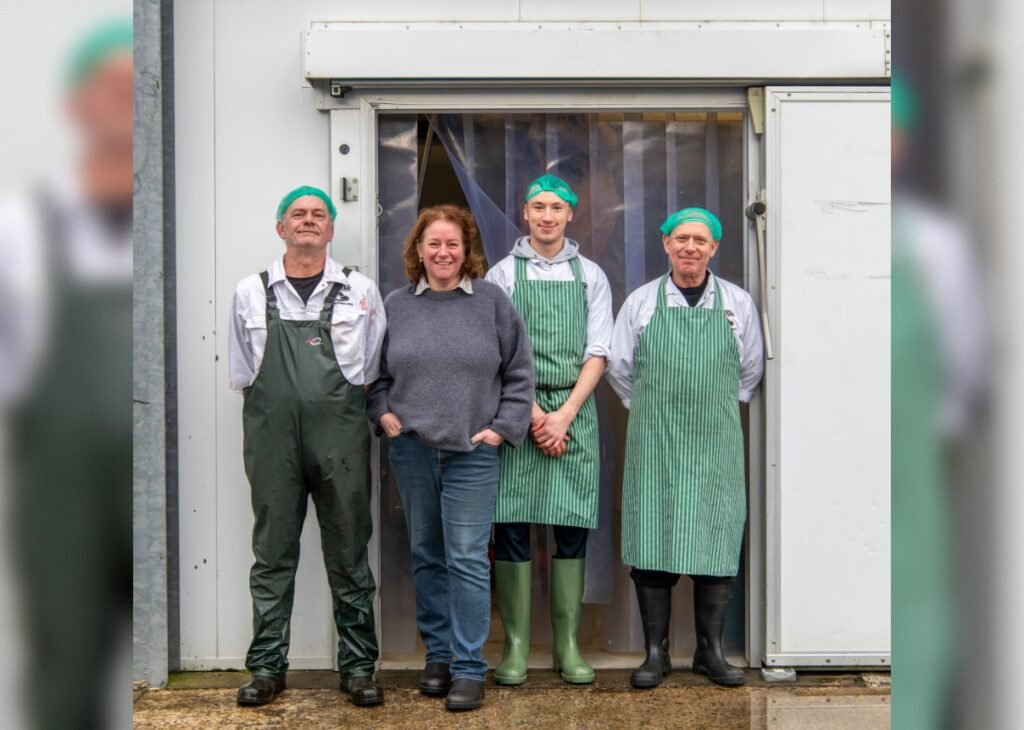
Mull Slaughterhouse & Butchery is launching a new livestock collection service this spring, picking up animals directly from farms across the Inner Hebrides and west Highland mainland – making it easier than ever for remote producers to access a high-quality, personal processing service without the need to arrange their own transport.
The trial, funded through the Scottish Government’s Small Producers Fund, will see the facility coordinate collection runs from islands including Coll, Tiree and Colonsay, as well as mainland areas stretching towards Fort William, consolidating journeys, saving farmers time, and reducing the carbon footprint of livestock transport across the region.
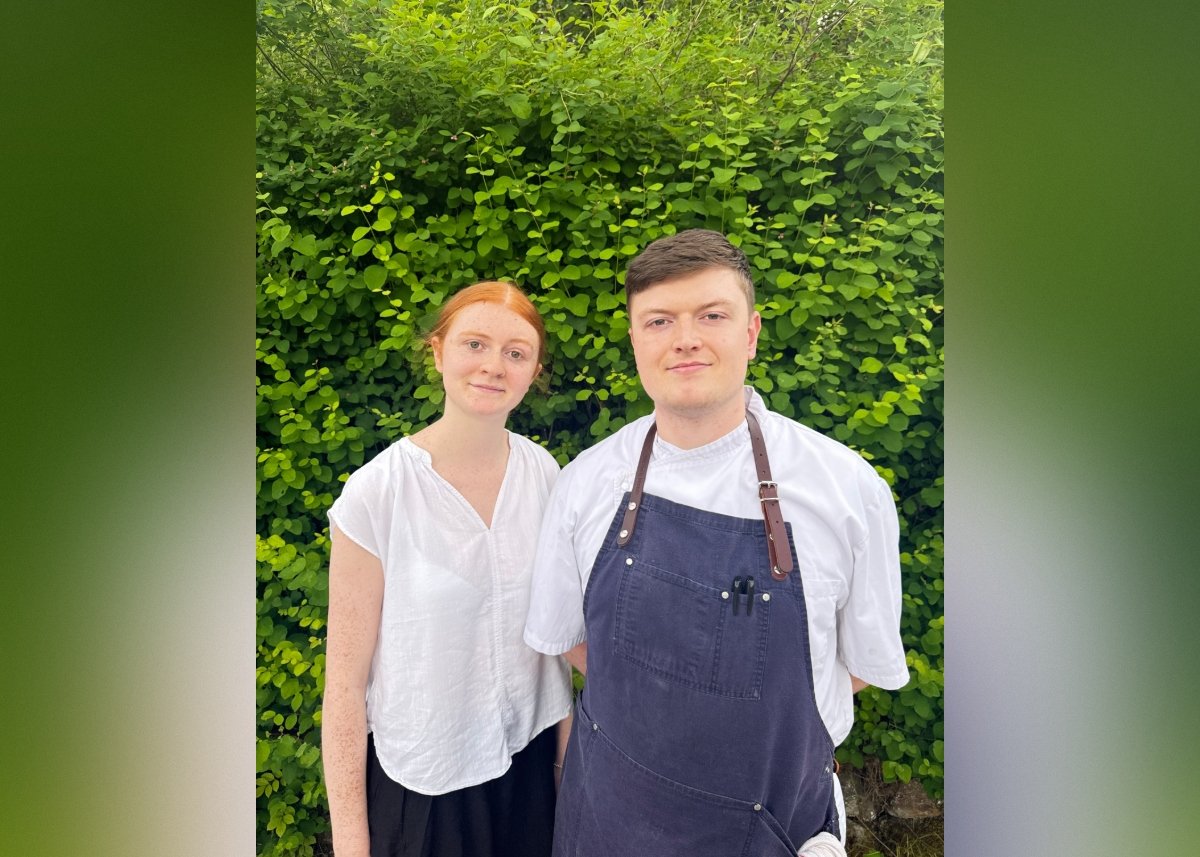
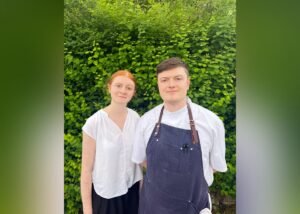
Flora Corbett, Chair of Mull Slaughterhouse & Butchery, says the growing demand from beyond the island made the new service a natural next step: “We know we offer something genuinely different here and we want to make it as easy as possible for more people to access it.”
Despite its island location, around 70% of the slaughterhouse’s business already comes from outside Mull. “We are now serving farms and crofts across the Highlands and outer islands who tell us they have found it a more personal, flexible and often cheaper alternative to other processors,” continued Flora.
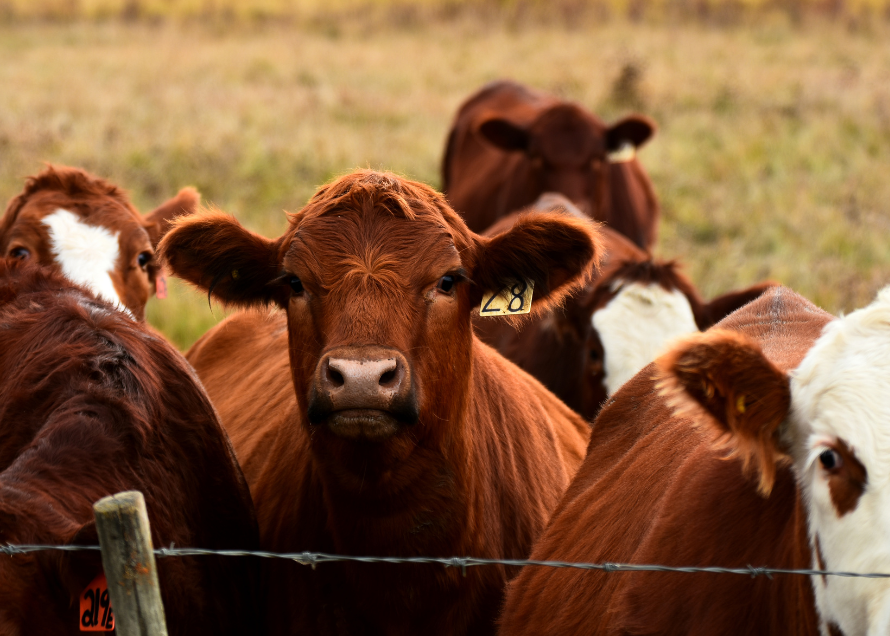
Processing around 140 cattle, 700 sheep and 200 pigs, as well as a growing number of goats and red deer each year, the facility offers a full slaughter and butchery service under one roof – something larger abattoirs typically cannot. Individual cutting lists are accommodated as standard, with farmers able to specify exactly how each animal is butchered.
“One farmer took four sheep in today, with four completely different cutting lists,” says Flora. “That’s just not something a large operation has time for. We do, and we think that matters.”
It’s a view shared by Jenny McKerr, who worked with the facility in her former role as QMS’ Private Slaughter Co-ordinator: “Small abattoirs like Mull are absolutely critical to keeping local, high-quality food production alive in Scotland – especially for island and remote producers. Flora has done an incredible job managing the abattoir and making it work in a challenging environment, and that kind of commitment is what keeps these vital bits of infrastructure going.
“If we want to support small producers, protect animal welfare, and maintain Scotland’s strong food provenance, we need practical, joined-up solutions, like this collection service, rolled out more widely.”
The spring launch of the collection service coincides with other significant investment at the facility. Solar panels are currently being installed that are expected to generate enough electricity to effectively eliminate the site’s energy bills – its second largest operating cost after wages – freeing up funds for further improvements.
Established in its current form in the 1980s and rebuilt following a fire in 2009, the facility employs five staff and operates a weekly slaughter day, with lairage available for animals arriving the day before. Processed meat is transported back to customers via a cold carrier based in Oban or collected directly.
Flora is keen to challenge the perception that the slaughterhouse is a purely local facility. “A lot of people assume it’s just for Mull,” she says. “But we’re here for anyone.”
Julie Comins, a sheep and goat farmer from Aberlour drives over 150 miles every fortnight just to get there: “You can rear the best quality animals in the world but if the abattoir experience is stressful and ends up affecting the meat, it can undermine everything you’ve worked for.
“When you arrive at Mull Slaughterhouse, you’re seen to straight away and it genuinely feels like a small business that is working for you – they’re flexible, nothing is too much trouble, and the lairage is calm and quiet which really matters.
You Might Also Like:
No related posts.
“The whole experience is hassle free, and if I ever need butchery done on top of the kill it’s never a problem. For businesses like the slaughterhouse, every customer that makes that journey is the difference between it being viable and not – and I want to be one of those customers.”
Mull Slaughterhouse & Butchery is part of Scotland’s network of small independent processors that campaigners argue are vital to the viability of remote and island farming. Flora has spent more than a decade advocating for the facility’s recognition as critical rural infrastructure.
“This isn’t just about farming,” she says. “The restaurants, the hotels, the food economy of the whole island, they all depend on having somewhere local to process. The slaughterhouse sits at the heart of it all – everything that makes this island’s food economy special, flows from here and we’re looking forward to seeing what comes next.”