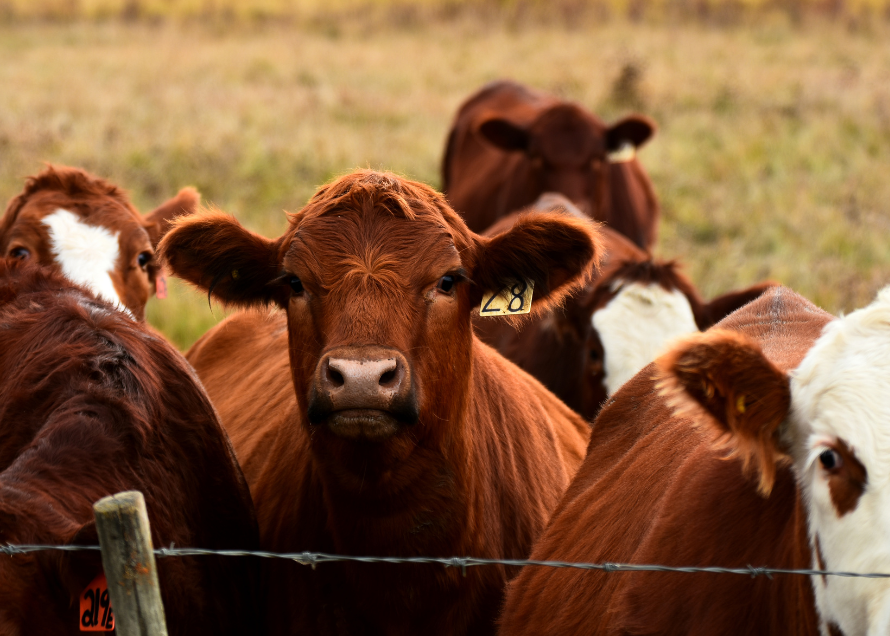
Scottish Government inspectors are set to attend Falklands Farm in Fife after 271 cattle were reportedly slaughtered on site despite being unidentifiable and untraceable under official livestock rules.
The animals were allegedly killed without the proper documentation and tagging needed to confirm their origin and life history, raising serious concerns over how they could have entered, or risked entering, the human food chain.
Under Scottish livestock law, all cattle must carry approved ear tags and have corresponding passports so that every movement can be tracked from birth to slaughter. These traceability rules were introduced to prevent the spread of serious animal diseases and to protect public health after previous crises such as BSE, and they are enforced through routine checks and inspections.
The scale of the slaughter at Falklands Farm is seen as highly unusual, with hundreds of animals allegedly killed despite their identities not being verifiable through official records.
Food crime investigators have previously warned that fraudulent documentation and irregular on‑farm slaughter can be used to push untraceable meat into the market, undermining consumer confidence and creating potential safety risks.
If inspectors confirm that the 271 cattle were genuinely unidentifiable, authorities are likely to investigate whether any meat from the animals was disposed of correctly or entered the supply chain. The farm and any associated businesses could face enforcement action, ranging from movement restrictions and loss of approvals to criminal investigations for breaches of livestock and food law.
A Scottish Government spokesperson said: “While undertaking a Cattle Identification and Traceability Inspection at the farm, Scottish Government Inspectors found non-compliance with regulations.
“Identification and Traceability regulations for livestock must be adhered with for disease prevention, control, eradication and the protection of public health.
“During the inspection 271 animals were found to be unidentifiable and untraceable which means they cannot enter the food chain and are placed under a permanent movement restriction.
You Might Also Like:


“In this case the business has taken the difficult decision to slaughter the animals – Scottish Government inspectors will attend to verify the slaughter.”
The incident is already prompting anger and anxiety among legitimate producers who rely on strict traceability to demonstrate high welfare and safety standards.
Farming groups and online forums are calling for a full and transparent inquiry, arguing that any abuse of the system not only threatens public trust but also tarnishes the reputation of the wider Scottish livestock sector.