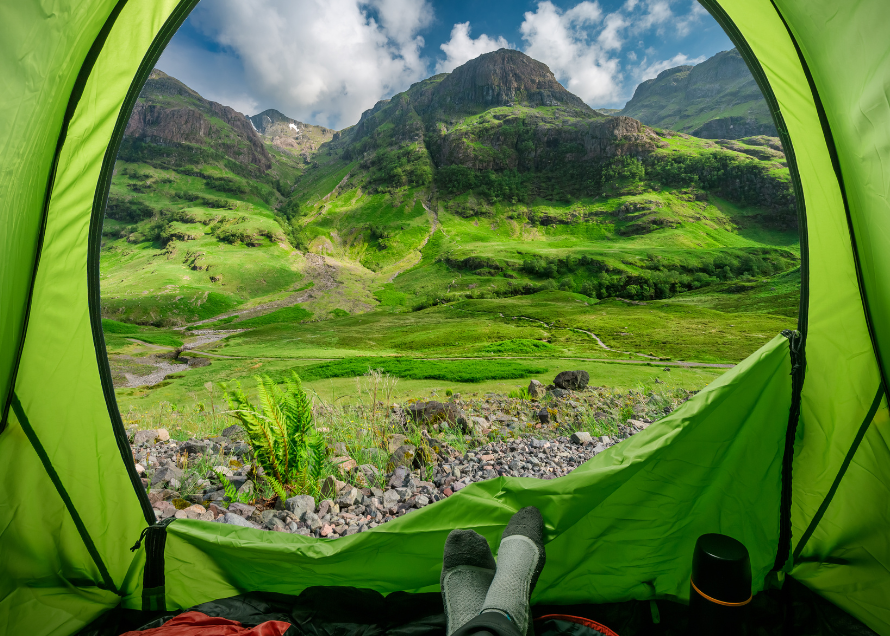
Camping in Scotland offers the chance to wake beneath mountain peaks, cook beside a loch and enjoy dinner with a view no restaurant could recreate. Yet, between unpredictable weather and limited cooking facilities, a little preparation can make the difference between a memorable outdoor feast and a rather miserable packet of crushed biscuits.
Whether pitching up at a campsite or heading farther into the wild, the best camping food is lightweight, versatile, easy to store and comforting after a long day outdoors.
Begin with a realistic meal plan
Before filling every available corner of the car or rucksack, decide how many breakfasts, lunches and dinners will be needed. Choose ingredients that can appear in several meals, reducing both weight and waste.
Wraps, for example, can hold scrambled eggs at breakfast, cheese and salad at lunchtime, or smoky beans in the evening. Oats can become porridge, overnight oats or an easy fruit crumble cooked in a pan.
For longer walks, pack a little more food than the planned meals require. An extra portion of noodles, oatcakes or trail mix provides useful backup if plans change or the weather delays the journey.
Camping food essentials
A few dependable staples can form the foundation of several simple meals:
- Porridge oats or instant oat sachets
- Scottish oatcakes and crackers
- Wraps or flatbreads, which travel better than sliced bread
- Tinned beans, lentils, chickpeas or fish
- Quick-cook rice, noodles, couscous or pasta
- Hard cheese, such as mature cheddar
- Nut butter
- Stock cubes and small sachets of sauce
- Dried herbs, salt, pepper and chilli flakes
- Tea, coffee or hot chocolate
- Long-life milk or a plant-based alternative
- Fresh fruit that travels well, including apples and oranges
Fresh ingredients can still earn their place. Onions, carrots, peppers, courgettes and potatoes are relatively sturdy, while pre-cooked grains and vacuum-packed beetroot are useful when a cool box is available.
Breakfasts worth leaving the sleeping bag for
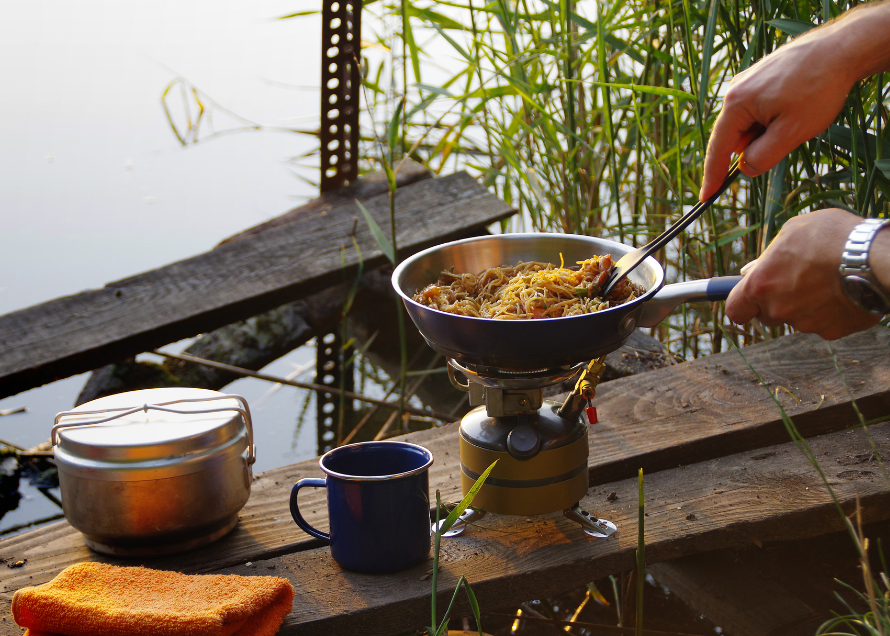
A warm breakfast is particularly welcome after a chilly Scottish night. Porridge is a camping classic for good reason: it requires one pan, cooks quickly and can be adapted with dried fruit, honey, cinnamon, nut butter or chopped chocolate.
For a more substantial start, cook eggs with mushrooms and tomatoes, then pile everything into warm wraps. Potato scones are another excellent campsite option and can be heated in a dry frying pan before being served with eggs, beans or cheese.
Easy lunches for the trail
Lunch should be simple enough to prepare without unpacking the entire campsite kitchen. Oatcakes paired with cheddar, chutney and an apple make a satisfying picnic, while wraps can be filled in advance with hummus, roasted vegetables or tinned fish.
Couscous is especially useful because it only needs boiling water. Stir through chickpeas, herbs, dried fruit and a squeeze of lemon for a quick salad, or add stock and spices for something warmer.
One-pan dinners after a long day
Camping dinners do not need to be elaborate, but they should feel generous. A one-pan tomato pasta can be made with dried pasta, passata, garlic, herbs and tinned lentils. Finish it with cheese for extra comfort.
Other reliable options include:
- Smoky bean chilli with quick-cook rice
- Chickpea and vegetable curry with flatbreads
- Noodles with vegetables, soy sauce and peanut butter
- Sausages with potatoes and onions
- Tinned mackerel stirred through tomato pasta
- Baked potatoes cooked in foil over a suitable campfire
Always check local guidance before lighting a fire. In many locations, particularly during dry weather, a camping stove is the safer and more responsible choice.
Do not underestimate the snacks
Walking, pitching tents and simply staying warm can use more energy than expected. Keep a mixture of quick treats and sustaining snacks close at hand.
Trail mix made with nuts, seeds, dried fruit and chocolate is easy to prepare at home. Cereal bars, tablet, oat bars, popcorn and individual packets of crisps also travel well. For something savoury, pack oatcakes, cheese portions or roasted chickpeas.
A small sweet treat enjoyed with hot chocolate as the sun goes down is not technically essential—but spiritually, it absolutely is.
Food safety matters
Use a cool box with ice packs for dairy products, fresh fish, meat and prepared meals, keeping it out of direct sunlight. Raw meat should be sealed securely and stored separately from ready-to-eat foods.
Bring enough drinking water, particularly when camping somewhere without a reliable supply. Water collected outdoors should be properly filtered or treated before drinking rather than assumed to be safe because it looks clear.
Pack hand sanitiser, biodegradable washing-up liquid, reusable cloths and rubbish bags. All food scraps and packaging should leave the campsite too. Even biodegradable waste can attract wildlife and disturb the local environment.
The little extras easily forgotten
Oil is one of the most commonly forgotten camping ingredients, so decant a small amount into a secure bottle. Other easily overlooked items include a tin opener, sharp knife, chopping board, reusable cutlery, mugs, matches or a lighter, and a sponge for washing dishes.
You Might Also Like:


Foil, food clips and reusable containers help protect leftovers, while a flask keeps drinks warm during early starts and windswept walks.
The secret to good camping food is not packing an entire kitchen. It is choosing a small number of hardworking ingredients, planning meals that suit the equipment available and remembering that almost anything tastes better outdoors—especially when it is hot, filling and eaten with a view of the Scottish landscape.