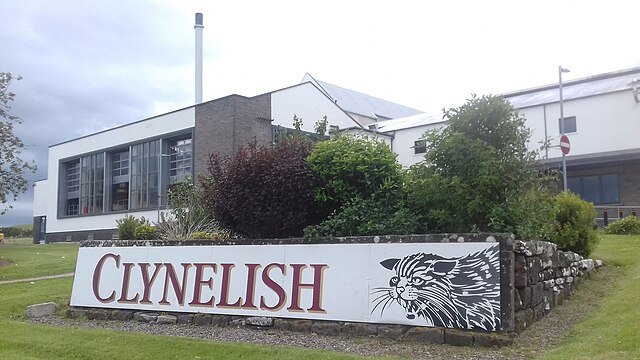
Diageo is set to shut the visitor centre at its Clynelish Distillery in Scotland’s Northern Highlands, in a decision the company insists is about “reshaping” its visitor experiences rather than retreating from Scotch tourism altogether. The site, which has benefited from major investment over the past decade, has been part of Diageo’s flagship network of whisky attractions designed to funnel visitors through the Highlands and into its £150m Johnnie Walker brand home strategy.
In a statement, a Diageo spokesperson said the company was consulting with staff on proposals to close the Clynelish visitor centre and refocus resources. “These proposals are unrelated to distillery operations, which continue as normal, and are about ensuring our brand homes are aligned to how and where consumers want to experience Scotch whisky,” the spokesperson said. The distillery itself will keep producing single malt for blends such as Johnnie Walker, but the loss of the visitor hub represents a notable step back in an area that has marketed itself heavily on whisky-led tourism.
Locals fear the move could hit Brora’s reputation as a gateway to the northern Highlands whisky trail, particularly given Clynelish’s role as a scenic stopping point for coach tours and self-drive visitors. One local tourism operator described the proposal as “a real blow”, adding: “We’ve built packages around the distillery for years. If the visitor centre goes, it’s not just tastings that disappear – it’s footfall for cafés, B&Bs and independent shops.” The closure talk comes as other Scotch producers pause or scale back production capacity, highlighting a more cautious industry mood after years of rapid expansion.
You Might Also Like:



Industry watchers link the decision to a wider recalibration at Diageo, which has already paused production at its Roseisle maltings until at least June 2026 as it works through high levels of maturing inventory. “After a period of sustained growth and associated investment, companies are now matching capacity to more subdued demand,” said one analyst, noting that temporary halts at distilleries such as Teaninich and Balcones fit the same pattern. From that perspective, slimming down the visitor network looks less like a one-off and more like the next phase of a broader reset.
Yet Diageo maintains it remains “confident and committed” to the long-term prospects of Scotch whisky and tourism, pointing to its multi-million-pound Johnnie Walker Princes Street attraction in Edinburgh and upgrades across a dozen distillery brand homes. “Scotch tourism is still a powerful draw,” the spokesperson said. “What’s changing is how people choose to experience it, and we need to evolve with that.” For Brora and the communities that have grown around Clynelish, the question now is whether that evolution will find a way to keep visitors – and their spending – flowing north, even as one of the Highlands’ most recognisable whisky doors prepares to close.