
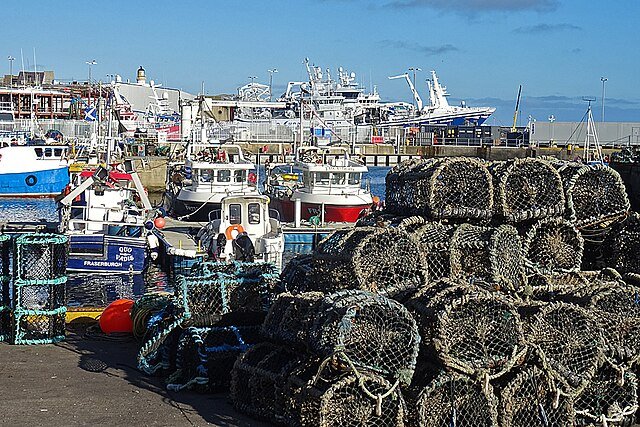
A North East harbour is set for a significant upgrade after securing funding aimed at improving facilities and strengthening support for local fishermen and the wider seafood industry.
The investment will be used to modernise key harbour infrastructure, improving safety, efficiency and day‑to‑day operations for fishing vessels. Works are expected to focus on better quayside access, upgraded handling areas and more resilient infrastructure that can cope with changing weather and tidal conditions.
Funding of this kind is part of a wider programme to support Scotland’s marine economy, with schemes such as Marine Fund Scotland channelling millions into ports, harbours and seafood businesses. These grants are designed to safeguard jobs, encourage sustainable fishing practices and help coastal communities adapt to economic and environmental pressures.
You Might Also Like:

Improved harbour facilities can reduce turnaround times for vessels, improve product handling and enhance safety for crews working in all weathers. In turn, this helps fishing businesses remain competitive, protecting local employment and supporting the wider supply chain of processors, hauliers and marine services.
Aberdeenshire’s harbours have been identified as valuable economic assets, with public investment generating a strong return in terms of local jobs and Gross Value Added. The latest funding aligns with ongoing efforts to place harbours on a more sustainable commercial footing while attracting additional private and external grant support.
Recent funding streams for marine and fishing projects increasingly emphasise resilience, lower emissions and better environmental performance. By upgrading infrastructure now, the harbour is positioning itself to meet future regulatory, climate and market demands while continuing to serve the local fleet and wider community.