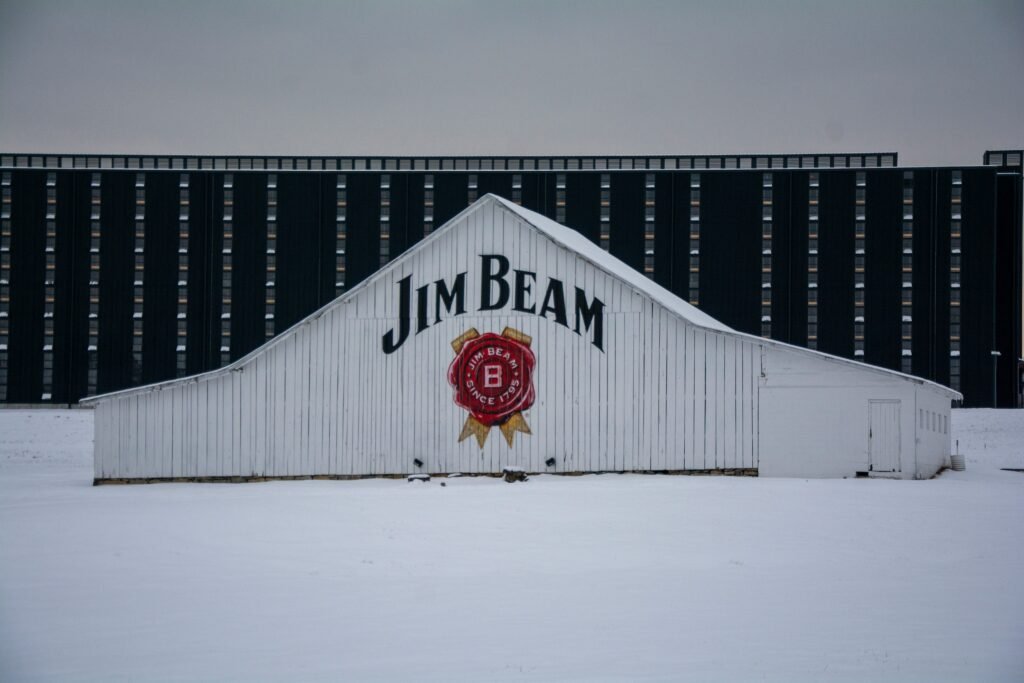
Jim Beam is to halt distilling at its main Clermont site in Kentucky for the whole of 2026, a move the brand’s owner frames as a chance to “invest in site enhancements” but which comes amid a sharp downturn in overseas demand for American spirits. The 230‑year‑old bourbon, owned by Suntory Holdings, will keep its visitor experience open while production shifts to other facilities in Kentucky.
Exports of US-made liquor “fell sharply in the second quarter of 2025 as tariffs imposed under President Donald Trump took hold,” according to the Distilled Spirits Council of the United States (DISCUS). Its American Distilled Spirits Exports 2025 Mid‑Year Report showed particularly steep declines in the European Union, Canada, the UK and Japan, which together represented about 70% of total US spirits exports by value in 2024.
“After celebrating a record year for U.S. spirits exports in 2024, this new data is very troubling for U.S. distillers,” DISCUS chief executive Chris Swonger said. “Persistent trade tensions are having an immediate and adverse effect on U.S. spirits exports. There’s a growing concern that our international consumers are increasingly opting for domestically produced spirits or imports from countries other than the U.S., signaling a shift away from our great American spirits brands.”
Nowhere is that shift more dramatic than in Canada, where Swonger said the downturn is “most pronounced”. US spirits exports to Canada “plummeted 85%, falling below $10 million in the second quarter of 2025”, while U.S. spirits sales in Canada “declined 68% in April 2025” even as Canadian and other imported spirits rose by roughly 3.6%.
Trump’s trade war has “particularly angered Canada, which has led to many Canadians boycotting American products,” with most provinces still refusing to restock American bottles even after Ottawa removed its retaliatory tariff on US spirits on 1 September. Canada “remains the only key trading partner to retaliate against U.S. spirits,” underlining how political decisions are reshaping what ends up on bar shelves.
Against this backdrop, Jim Beam has decided “to pause distillation at our main distillery on the James B. Beam campus for 2026 while we take the opportunity to invest in site enhancements.” “We are always assessing production levels to best meet consumer demand and recently met with our team to discuss our volumes for 2026,” Suntory Holdings said in a statement.
The company stressed that it “will continue to distill at our (Freddie Booker Noe) craft distillery in Clermont and at our larger Booker Noe distillery in Boston,” ensuring that Jim Beam-branded bourbon still flows even as the flagship plant goes quiet. “Our visitor center at the James B. Beam campus remains open so visitors can have the full James B. Beam experience and join us for a meal at The Kitchen Table,” the statement added, emphasising the ongoing role of bourbon tourism.
Jim Beam’s roots stretch back to 1795, when Jacob Beam sold his first barrels of whiskey in Kentucky, laying the foundations for what would become one of the world’s best-known bourbons. After Prohibition, James Beauregard “Jim” Beam rebuilt the family distillery in Clermont in 1935, establishing the James B. Beam Distilling Co. on Happy Hollow Road as the central production site.
You Might Also Like:
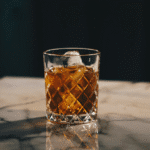
Bourbon itself is tightly defined under U.S. law, with the Kentucky Distillers’ Association describing the regulations as a kind of “purity law” for whiskey. “Under the rules, Bourbon is not allowed to include additives such as flavorings, colorings, or extra sugar. What ends up in the bottle is the fermented and distilled grain spirit, modified only by time in new oak, water to reach legal bottling proof, and nothing else,” industry outlet IWS.TV noted.
The decision by a 230‑year‑old brand to halt distilling at its historic main site for a full year acts as a stark barometer of the strain on American spirits. When “what ends up in the bottle” is already highly regulated and costs are pushed up further by tariffs, international drinkers naturally “migrate to cheaper options,” eroding the premium positioning US brands have long enjoyed.
For local communities in Kentucky, the move underscores how “trade policy is reshaping U.S. exports” and how a pause at such an iconic distillery “signals broader stress” throughout the supply chain, from farmers to tourism. As Swonger’s warning about consumers “opting for domestically produced spirits or imports from countries other than the U.S.” makes clear, today’s trade tensions risk becoming tomorrow’s permanent shift in global drinking habits.