Potato growing has always been a game of odds – but as weather patterns grow more volatile and markets more uncertain, managing risk is becoming an essential part of the business. At a recent GB Potatoes webinar, Cutting the Odds: Managing Risk in Potato Production, industry representatives explored innovative ways to protect growers across the supply chain.
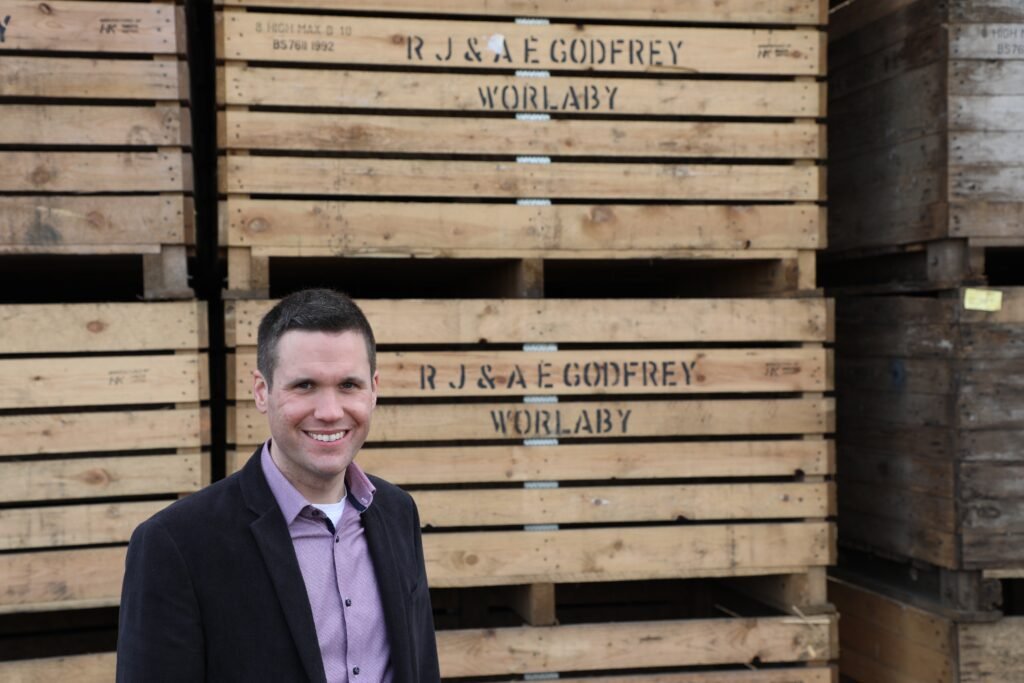
GB Potatoes chair Alex Godfrey, joined by Blair Richardson, CEO and President of Potatoes USA, and Rory Gibson, Scottish regional director at insurance specialists Howden, led the discussion. Together, they outlined the evolving risks facing growers and the strategies from insurance to communications being used to secure the crop’s future.
Weatherproofing potato production
Potatoes are among the most weather-sensitive of crops, and as Rory Gibson explained, unpredictable conditions are becoming an ever-greater threat. Howden has now introduced a new parametric protection policy for GB Potatoes members – an insurance model designed to react to measurable weather events rather than traditional perils like fire or theft.
“Increasingly extreme and unpredictable weather patterns are making traditional insurance harder to obtain,” Gibson said. “With reduced subsidies and uncertain crop returns, growers need new ways to safeguard their income.”
Unlike standard insurance, which relies on loss assessments, parametric cover triggers payouts automatically once predefined weather thresholds are met – such as 20 millimetres of rain within a set period. Payments can be made in as little as 24 hours, or within two months at most. Coverage typically focuses on heavy rainfall during harvest rather than drought, measured via satellite data and local weather stations.
The scheme runs between 15 August and 15 November, offering three event types: short, intense rainfall (three-day events), medium-term rainfall (ten-day events), and cumulative rainfall over the full harvest period. On average, growers are insuring around £5,000 per hectare – worth roughly £259/ha in premiums, or just over £5 per tonne.
While UK growers grapple with production risk, their US counterparts have long faced another challenge: battling misperceptions about potatoes themselves. Blair Richardson of Potatoes USA shared how a sustained investment in research has reshaped the crop’s reputation.
“Fifteen years ago, very little credible research existed on potato nutrition,” Richardson said. “Stereotypes like ‘couch potato’ dominated media narratives.”
Since 2010, Potatoes USA has invested between $2–2.5 million annually in nutrition science, totalling over $30 million to date. This evidence base allows them to respond swiftly when inaccurate claims spread online — particularly on platforms like TikTok and Instagram, where misleading nutrition content remains widespread.
“Our health-focused messaging, including the line ‘potatoes are real food, real performance,’ has gained real traction globally,” Richardson said. “It reflects the power of proactive investment in science and communication.”
GB Potatoes has already begun working with Potatoes USA to adapt and share nutritional messaging for UK audiences, supporting a stronger, evidence-based narrative about potatoes as a nutritious, sustainable, and versatile food source.
A collaborative approach to risk management
For GB Potatoes, managing risk extends beyond the farm gate. Chair Alex Godfrey highlighted the organisation’s five core aims:
- Building collaboration across the supply chain
- Horizon scanning for emerging challenges
- Lobbying on policy and research priorities
- Promoting the UK potato industry through media engagement
- Connecting members with cutting-edge technical expertise
Ongoing collaborations with groups such as the Horticultural Crop Protection Forum and the National Potato Innovation Centre are helping align research and lobbying efforts. A joint London summit this summer will showcase the crop’s economic and environmental significance to policymakers.
Residual AHDB funding of £1.8 million is enabling the continuation of vital programmes like Fight Against Blight, aphid monitoring, and CIPC residue studies – though these initiatives will soon need self-financing.
You Might Also Like:

Another key success, said Godfrey, is the CiC-START PhD programme, a collaboration with the Scotch Whisky Research Institute that has secured funding for 24 potato-focused PhD positions. GB Potatoes is also investing in the industry’s future workforce through its Potato Industry Development Programme, which connects new entrants with leading industry partners including Haith, McCain, Branston and AKP, with upcoming visits planned to Scotland and London.
To find out more about GB Potatoes and membership opportunities, visit www.gb-potatoes.co.uk.