
John Swinney has rejected claims that plans to cap supermarket food prices are intended to provoke a dispute with the UK government, framing the policy as a response to mounting cost of living pressures.
Speaking on BBC Radio 4’s Today programme, the SNP leader said the proposal was focused on supporting households struggling with basic shopping costs. He said he was “trying to help people who are struggling with the cost of their shopping”, as reported by The National.
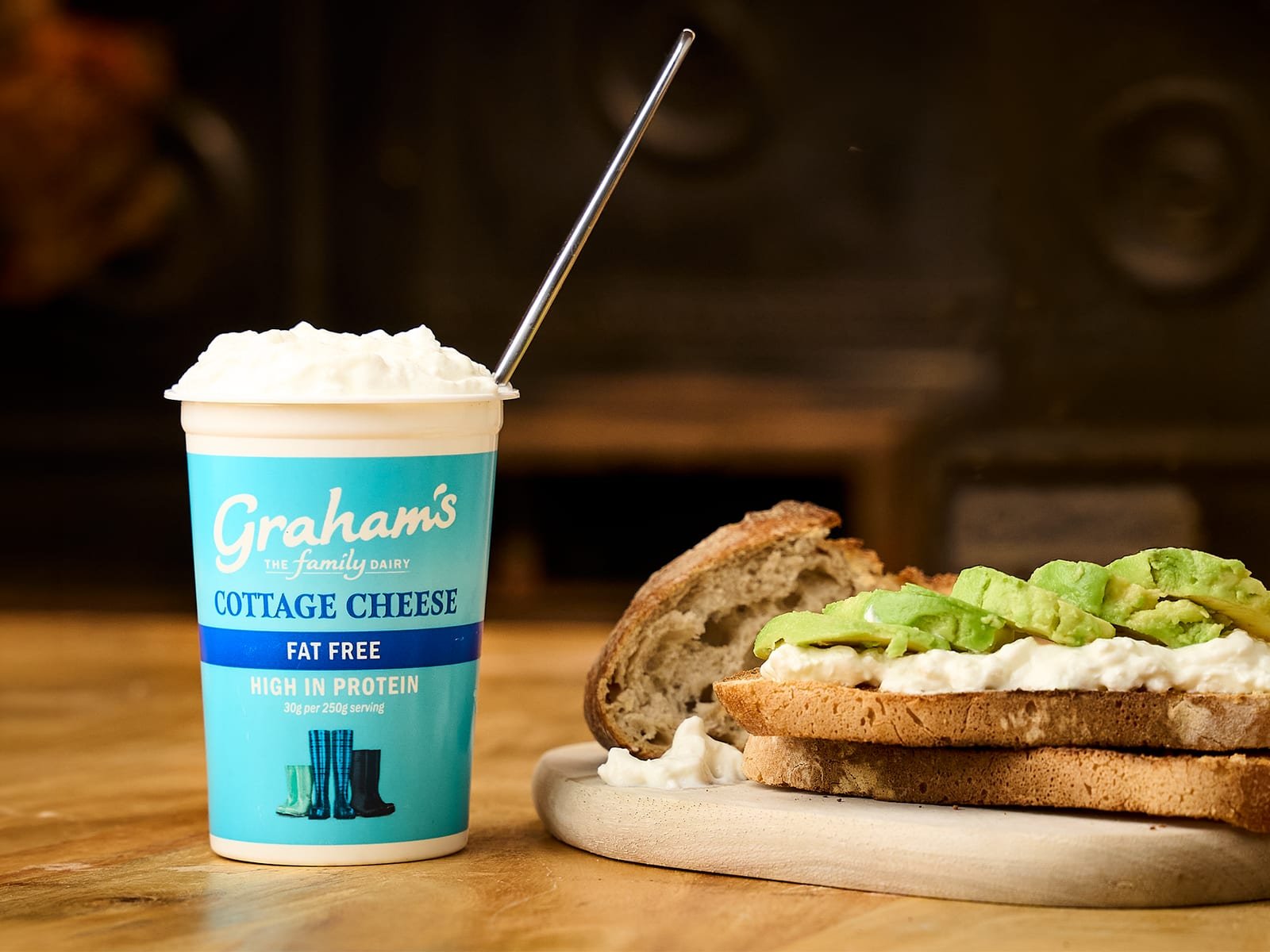
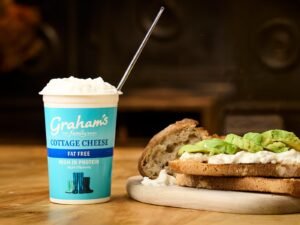
Under the party’s manifesto, large supermarkets would be required to cap the price of up to 50 staple items, including milk, eggs, cheese and rice. The pledge forms part of a wider package that also includes a £2 cap on bus fares and expanded childcare.
The policy has drawn criticism from the Scottish Retail Consortium (SRC), which warned it could disadvantage smaller retailers not covered by the legislation and distort competition within the sector.
Swinney acknowledged that engagement with retailers and producers would be key to making the policy workable, but indicated the government must prioritise support for consumers facing rising costs.
The plan could also face legal challenges, with changes to the UK Internal Market Act 2020 potentially required to allow for price controls in Scotland.
Swinney is expected to be confirmed as first minister following a Holyrood vote, after the SNP secured 58 seats in the recent election. However, falling short of a majority means his government will need backing from other parties to pass legislation.
In a statement, an FDF Spokesperson said: “Government needs to focus on the root causes of rising food inflation, not the symptom. We don’t believe the answer is a price cap and it’s not clear to us how those proposals would work in practice.
“For food and drink manufacturers, we need government to prioritise regulation so it doesn’t all come at once, and ensure it’s going to have the intended outcome.
You Might Also Like:


“Too much regulation is too complex and too costly to implement, which is taking up businesses’ time, resources and focus while they’re also grappling with a global energy shock. We need this to protect the long-term resilience of the food sector, to ensure we can attract investment, and to help us keep a lid on food inflation.”
While signalling a willingness to work across the chamber, Swinney has ruled out cooperation with Reform UK.
The new parliamentary term also brings a pro-independence majority at Holyrood, though the UK government continues to oppose a second referendum.