Four-year programme (2026-2030) to test regenerative practices for climate resilience.
Loch Lomond & The Trossachs National Park Authority has selected three farms to lead the next phase of its Resilient Farm Network (RFN), a four-year programme running from 2026 to 2030. This initiative aims to help agricultural businesses within the National Park enhance resilience, adopt nature-friendly practices, and support a long-term shift towards sustainable land use across the region.
The programme seeks to make farms more resilient to unpredictable climate impacts, such as wildfires and drought, while improving business performance and restoring nature. The chosen farms, Glen Finglas, Shemore, and Portnellan, will collaborate with specialist advisers and fellow land managers. They will test and refine on-farm approaches focused on strengthening profitability, biodiversity, and soil health. Glen Finglas and Shemore are positioned to demonstrate grazing-led methods for habitat restoration.
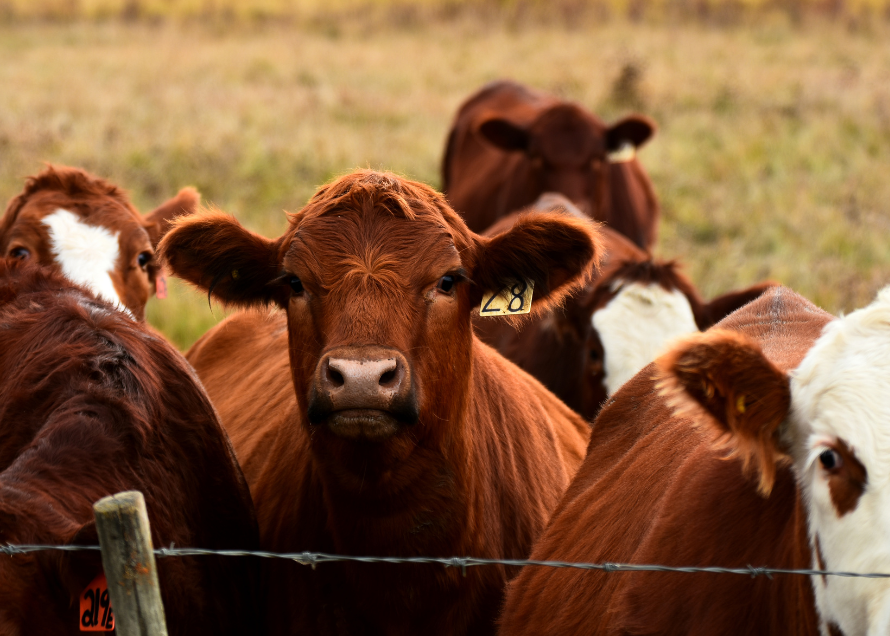
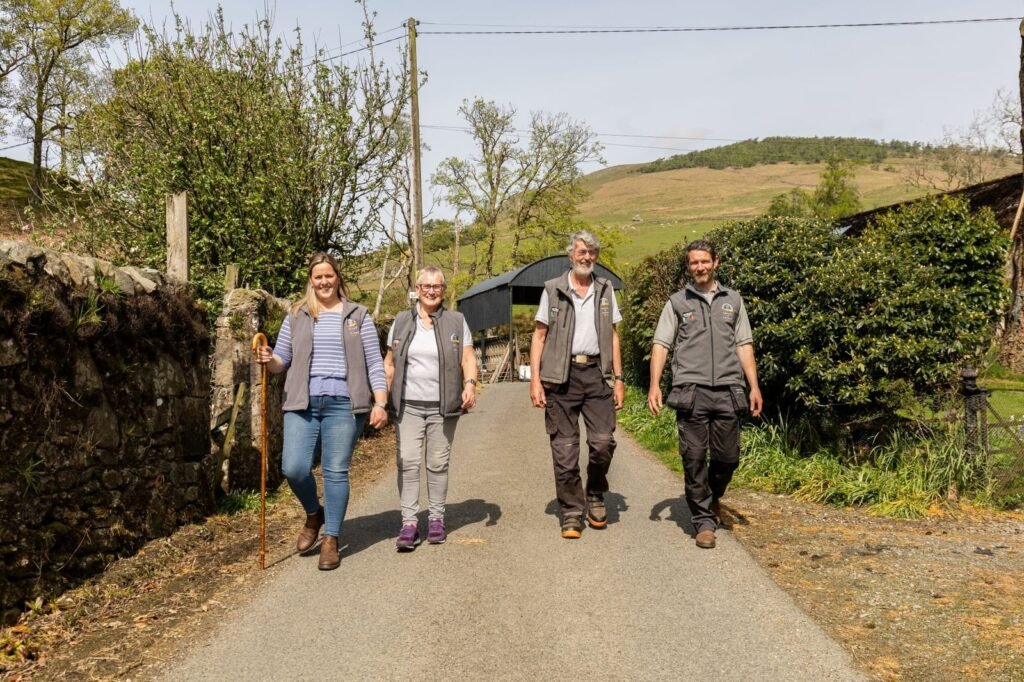
Portnellan, a small family farm with an organic, grass-fed beef enterprise, will showcase practical regenerative farming, leveraging its extensive long-term animal data. Participants in the RFN programme will receive tailored support, including carbon and biodiversity audits, free financial analysis, and annual data-driven performance reviews. Insights generated from these farms will be shared across the wider Resilient Farm Network, creating opportunities for land managers throughout the National Park to exchange knowledge and learn from practical, on-farm experience.
Dominic Hall, Future Nature Portfolio Manager with Loch Lomond & The Trossachs National Park Authority, commented on the selections. “The selected farms reflect the range of farming approaches adopted across the National Park and give us a strong starting point to explore sustainable, nature-friendly ways to make businesses more resilient for the future,” Hall said.
He noted the increased importance of this work after a summer of wildfires and drought across parts of the UK, with farmers and rural businesses calling for clearer, evidence-led ways to cope with increasingly unpredictable conditions. Freda Scott-Park, Land Manager and Co-Owner of Portnellan Farm, expressed the farm’s motivation. “Being part of the Resilient Farm Network gives us a chance to build on our closed herd and long-term animal data, using that history to understand how the farm can adapt and stay resilient in the years ahead,” she stated.
You Might Also Like:
 James Hutton Institute at heart of new UK network driving future of sustainable crops
 Six Scottish Butchers Selected for Team GB Squad Ahead of World Butchers’ Challenge 2028
 Watchdog ruling lifts the lid on Scotland’s secretive salmon farms
 Inspectors called in after 271 unidentifiable cattle killed on Scots farm
She added that a key focus for Portnellan is exploring how soil structure and grass pastures can be improved for grazing resilience and enhanced biodiversity, alongside testing ideas like small-scale agroforestry, better surface-water management, and new approaches to shade and shelter. The National Park Authority’s RFN programme aligns with the Scottish Government’s Academic Advisory Panel’s publication of evidence-based priorities for climate adaptation in agriculture. It aims to help businesses adapt to a worsening climate, strengthen the rural economy, support local communities, and restore nature.
The programme is also intended to serve as a test pilot for farms and rural communities across Scotland. Agriculture Minister Jim Fairlie MSP endorsed the initiative. “The Resilient Farm Network is an exciting opportunity for crofters and farmers within the National Park to take advantage of expertise that will help them to manage land sustainably over the longer term, while restoring nature and increasing their resilience to climate change,” Fairlie said.
He highlighted that the evidence and lessons learned could benefit the wider agriculture sector, which is a vital part of rural Scotland and its economy. RFN members will access training, peer support, and funding opportunities, including the Scottish Government’s Nature Restoration Fund for projects linked to nature restoration.