The managing director of one of Scotland’s foremost berry producers, John Gray of Angus Soft Fruits, has highlighted weight loss medications as a significant catalyst for growth within the fresh produce sector.
Mr. Gray stated that GLP-1 (Glucagon-like peptide-1) drugs are set to fundamentally alter consumer purchasing habits, fostering a move towards reduced overall consumption but an increased demand for nutrient-dense food options.
Angus Soft Fruits, a substantial operation with a turnover of £166.3 million for the year ending 30 April 2025, sees this shift as an opportunity. Gray emphasised the intrinsic health benefits of berries, stating:
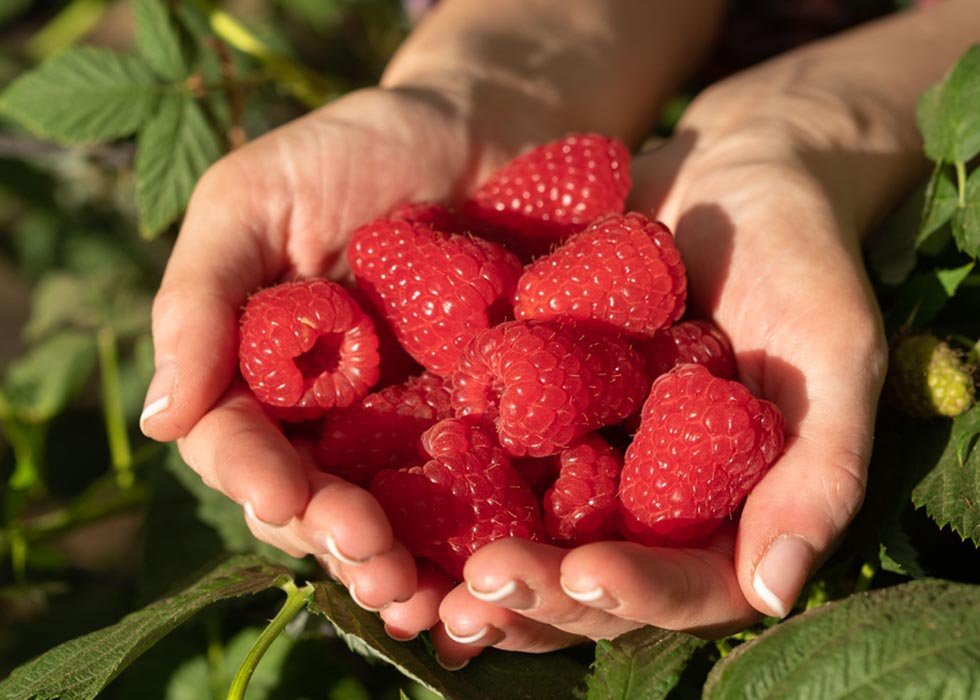
“Raspberries and blackberries are among the highest-fibre fruits you can eat. Strawberries are high in vitamin C. Blueberries and blackberries are rich in antioxidants and polyphenols. Berries have moved from being a luxury 15 or 20 years ago to being an everyday product. But there’s still a way to go.”
This outlook aligns with recent academic findings on the impact of GLP-1 drugs. Research conducted by Cornell University, published in the Journal of Marketing Research, indicated that US households reduced their grocery spending by an average of 5.3 per cent within six months of a family member commencing GLP-1 treatment. The study further observed that spending declines were most pronounced in calorie-dense, processed food categories, while modest increases were noted in areas such as fresh fruit, nutrition bars, and yogurt, suggesting a consumer preference for high-protein, high-fibre choices.
You Might Also Like:
The Scottish berry industry has faced challenges, with raspberry production experiencing a long-term decline since 2010, falling below 200 hectares in 2024. Factors contributing to this decline have included fierce competition from imports and disease.
In response to market dynamics and production pressures, Angus Soft Fruits, established in 1994 by the Porter and Gray families, has invested significantly in its breeding programme.
The company’s AVA Berries operation represents a decade-long commitment from initial cross-pollination to commercial scale. This initiative has successfully introduced new proprietary varieties to the market over the past two years. A notable success is the AVA Monet raspberry variant, which, alongside AVA Dali, entered year-round commercial production in 2024. These new cultivars are specifically developed to offer premium quality, high yields, and enhanced economic viability for growers, aiming to revitalise the sector.