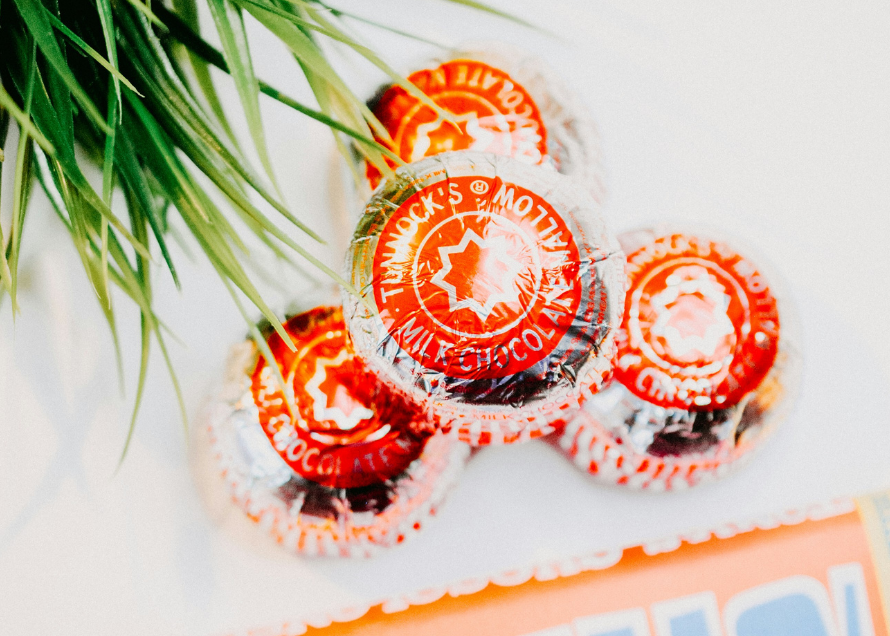
Latest accounts for Thomas Tunnock Ltd show pre-tax profits falling from £4.1 million to £841,000 over the year, a swing of more than £3 million even as sales climbed to a record £87.7 million. Directors said the business had faced “unprecedented hikes in raw material costs” and warned that these pressures had continued beyond the year end.
Cocoa prices have soared on the back of poor harvests and drought conditions in West Africa, particularly in Ivory Coast and Ghana, which together supply the bulk of the world’s cocoa beans. The spike in ingredient costs has coincided with higher energy bills following Russia’s invasion of Ukraine, compounding the hit to margins at the 134-year-old company.
Cocoa crunch and cost pressures
In their report, the directors described the increases in key inputs as “very challenging” and said the surge in cocoa and other raw materials had had “a significant impact” on the company’s performance. They added: “The company has encountered unprecedented hikes in raw material expenses in recent years, and we expect these trends to persist.”
They highlighted that the impact of the global cocoa shortage was still being felt after the period covered by the latest accounts, suggesting that pricing and procurement would remain under close review. The firm also pointed to wider inflationary pressures across the supply chain, from packaging to logistics, as factors weighing on profitability.
Long-term view from family firm
Despite the profit setback, Tunnock’s stressed that it remains committed to its long-term strategy as a Scottish, family-owned manufacturer. “For many years, Tunnock’s has consistently prioritised quality over quantity and long-term value over immediate profit,” the directors said, underlining their focus on brand integrity and loyal staff.
You Might Also Like:
No related posts.
They added: “With careful and responsible management, we have evolved into one of the UK’s leading biscuit manufacturers. Amid these difficult times, we have adhered to the principles established by the Tunnock family by continuing to deliver high-quality products to our customers and investing in our workforce, products and facilities.”
The company, which employs around 650 people at its factory in Uddingston, has continued to invest heavily in new equipment and capacity. Recent capital spending has included millions of pounds of upgrades at the Lanarkshire site, with directors calling this “essential to expand capacity and maintain our position at the forefront of the market.”
Even after the profit fall, Tunnock’s maintained a £1 million dividend for the financial year, in line with the previous period, while the highest-paid director’s package rose to more than £348,000. The business, now led by Boyd Tunnock, grandson of founder Thomas, said it would “continue to invest in plant, people and products to expand the distribution of Tunnock’s products both in the UK and internationally.”