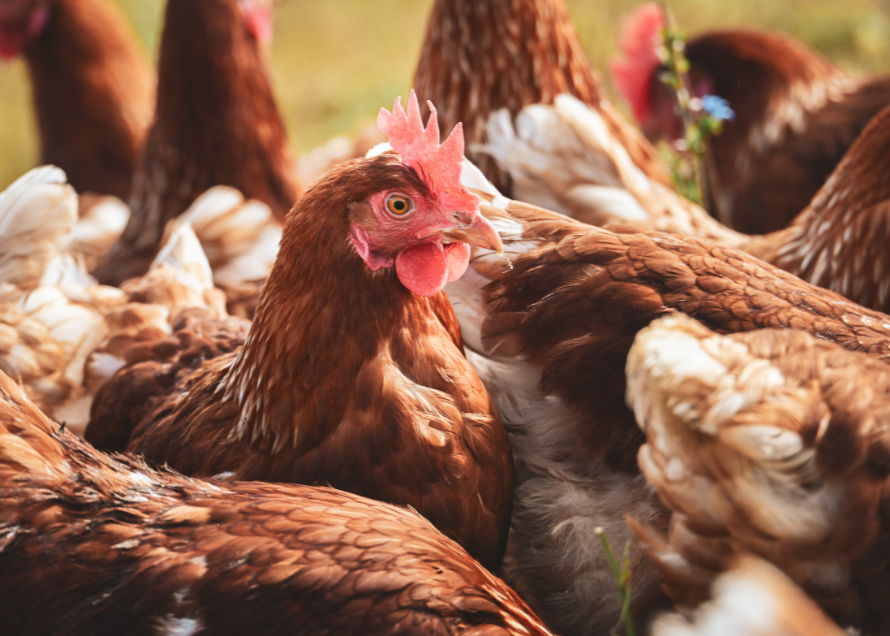
One of Scotland’s largest egg producers, Glenrath Farms, has confirmed a third outbreak of avian flu at its sites in the Borders. A 1.8-mile (3km) protection zone has been put in place around the premises at Easter Deans and Blairburn near West Linton, with strict movement restrictions and biosecurity controls now applying in the surrounding area.
Biosecurity measures and movement restrictions have already been in force across much of the area between Peebles and Penicuik since avian influenza was first confirmed there shortly before Christmas, and the latest cases bring to five the number of farms affected locally. A separate outbreak has also been recorded at premises near Blairgowrie in recent weeks, adding to pressure on producers and veterinary authorities.
You Might Also Like:
No related posts.
Glenrath Farms, a family-owned business founded in the Borders in 1959, has expanded over the decades to become one of the UK’s leading egg production and marketing companies, now producing more than a million eggs a day. Scotland’s Deputy Chief Veterinary Officer, Jesús Gallego Garnica, has described the situation as “concerning but not unexpected”, noting that the number of affected premises still represents a small fraction of overall national egg output and that any impact on supplies is expected to be limited.
The local restrictions sit within a wider national framework to control avian influenza. An Avian Influenza Prevention Zone (AIPZ), declared across the whole of Scotland in January 2025, remains in place and requires all bird keepers – from large commercial farms to small backyard flocks – to follow enhanced biosecurity rules aimed at reducing spread from wild birds and other sources. These measures include keeping visitors to a minimum, improving cleaning and disinfection, maintaining separation between kept birds and wild birds, and imposing tighter controls on movements of people, vehicles and equipment on and off sites, with additional requirements for flocks over 500 birds.
Officials continue to urge bird keepers to stay vigilant for signs of disease and to report any suspicions immediately to their local Animal and Plant Health Agency (APHA) office, with disease control zones and movement restrictions enforced and mapped via the APHA interactive tool. Bird gatherings involving poultry and other kept galliformes and anseriformes remain banned across Scotland, England and Wales as part of the wider effort to limit the risk of further outbreaks.