I was invited to Station Road at The Lovat in Fort Augustus to experience the Mòr tasting menu, and it is one of those dinners that stays with you long after you have driven back down the A96.
Perched at the edge of the village, looking towards Loch Ness, Station Road is The Lovat’s intimate tasting‑menu restaurant, a calm, softly lit room where chef Sean Kelly quietly makes the case for the Highlands as one of Scotland’s most exciting larders.
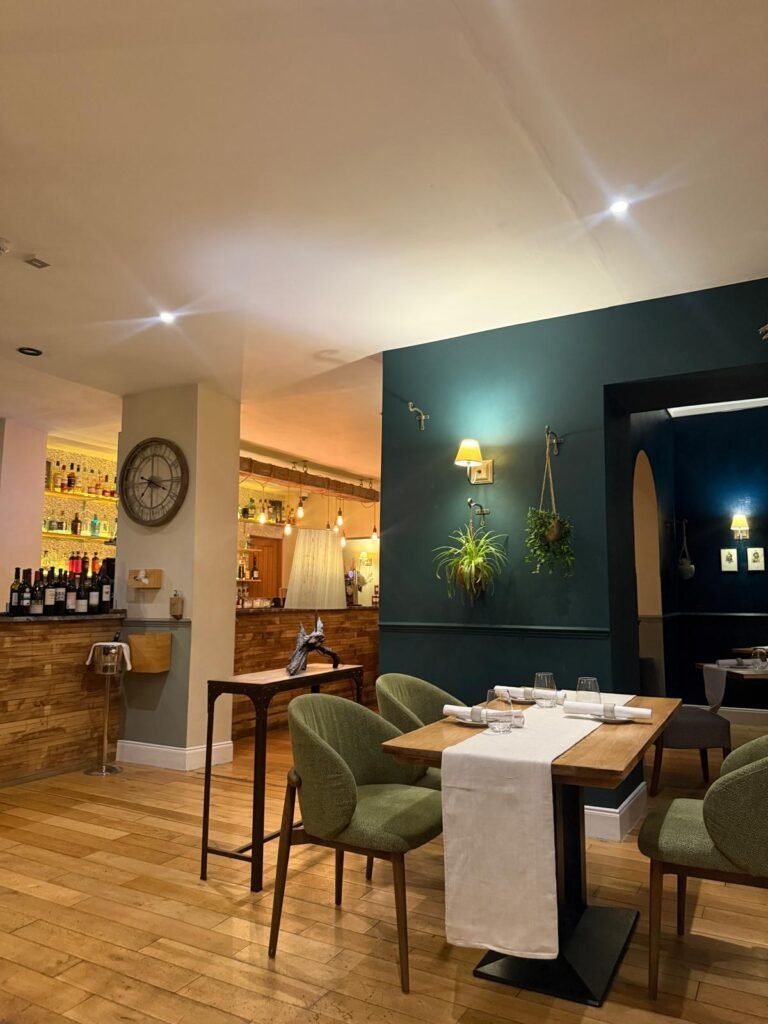
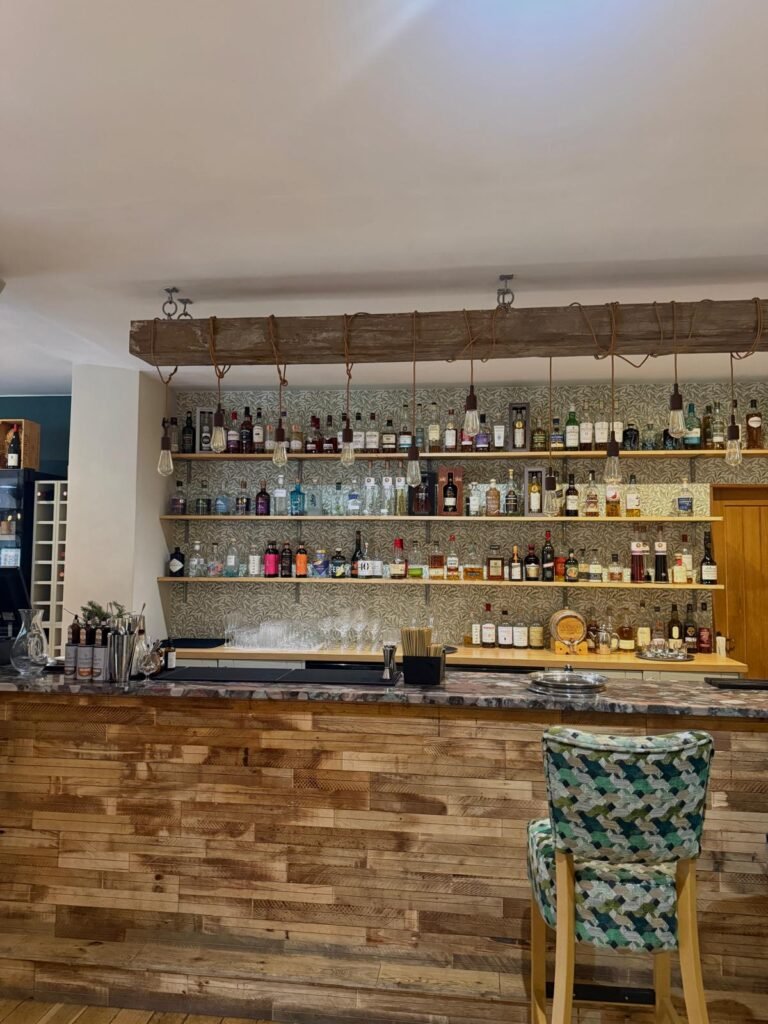
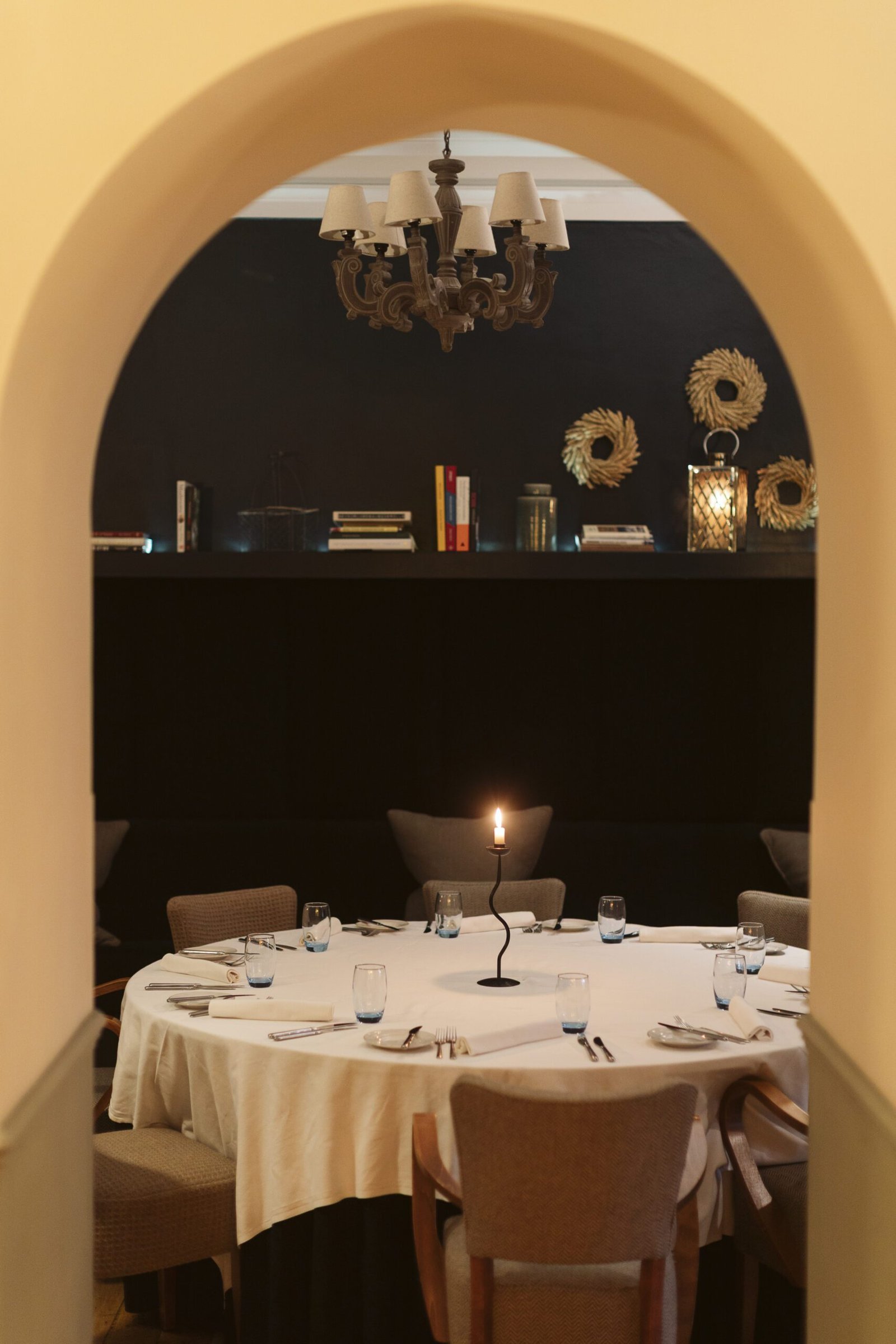
I drove from Aberdeen with my mum, and as we neared Fort Augustus, the landscape grew more dramatic. Inside The Lovat, the polished yet relaxed space featured soft lighting and Loch Ness views. The dining room felt calm, not formal.
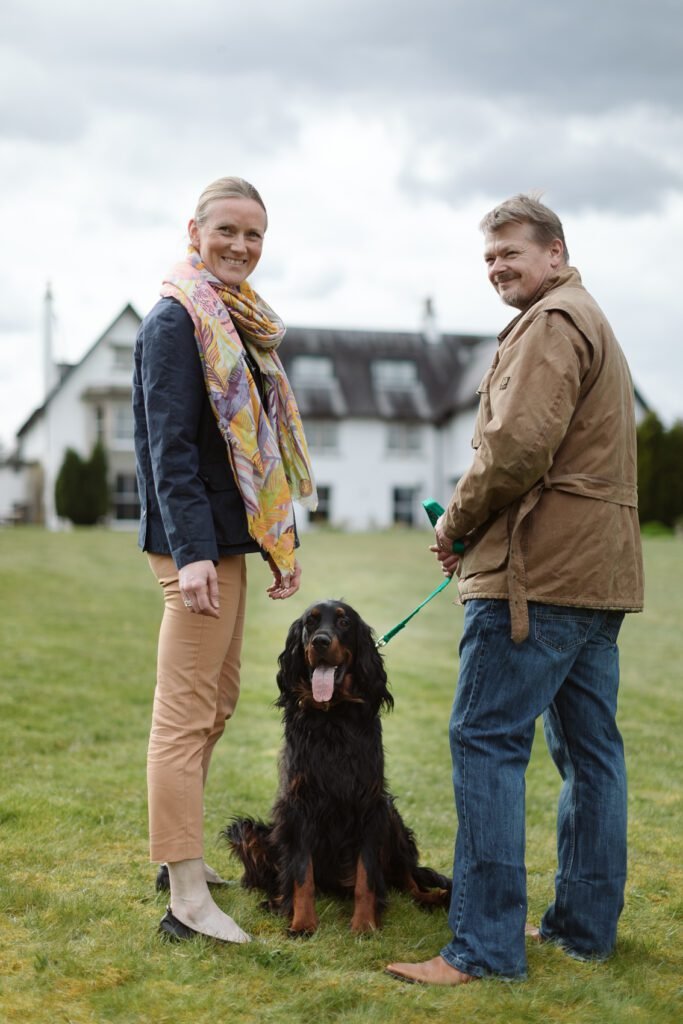
Sean mentioned someone recently called the place a ‘Highland hug’, a phrase that stuck with me and suits the atmosphere he and his wife, co-owner Caroline Gregory, have created.
A wee taste of the Highlands
Station Road offers two set menus: Beag (small) and Mòr (big). Both are described as ‘A Wee Taste of the Highlands.’ We were there for the Mòr. The idea is simple. The kitchen creates the menu for you, so your only choice is how adventurous you want to be with drinks.
As we considered drink options, we found that there are three flights: non-alcoholic, UK, and world. We went with the UK pairing. The team is proud to promote producers closer to home and to show how well British bottles pair with Highland produce.
We followed their lead and handed ourselves over to Janae, who looked after us on the drinks side and expertly explained each pairing as it arrived.
Sean, meanwhile, is often described as a “hidden” or “quietly influential” chef in the Highlands. During my visit, I had the chance to sit down with him, and when asked about this, he said: “I would not describe myself as particularly influential or as someone who is trying to be hidden, but I am not actively putting myself out there either.
“I like to be in the kitchen, behind the scenes, and I see myself as a work in progress. My cooking now is rooted in Scottish food, particularly the Highlands and Islands. There is so much more to it than deep‑fried Mars bars and pizzas.”
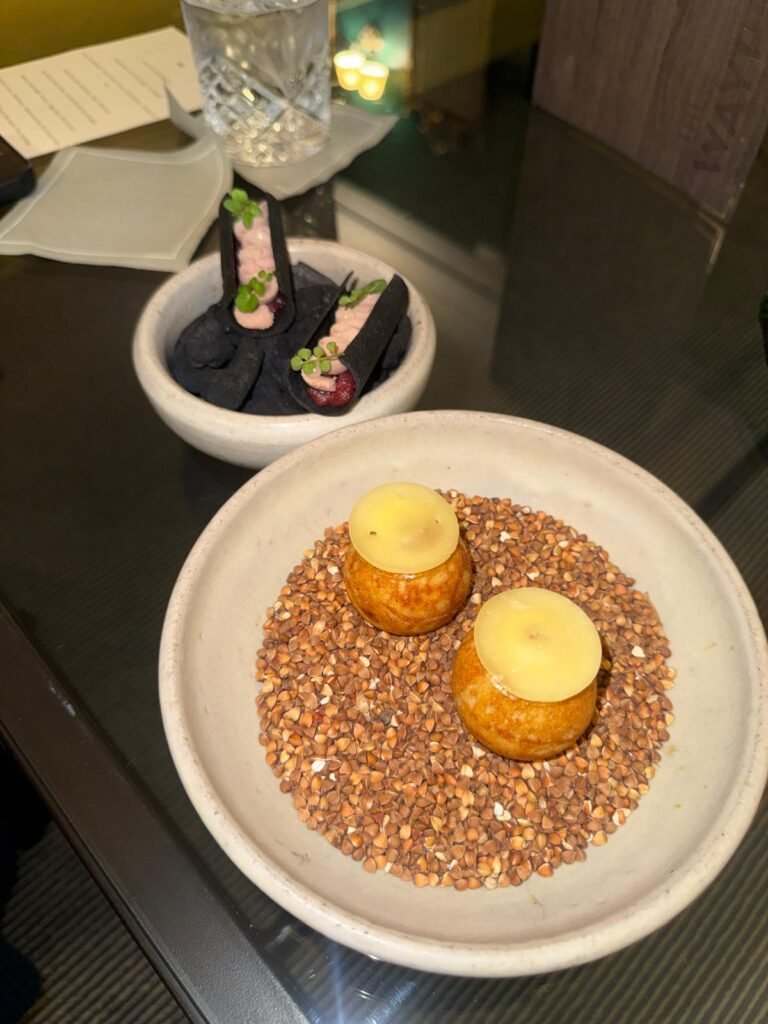
The first course, ‘A wee taste of the Highlands’, was served in the lounge to start, a gentle introduction to Station Road’s style. First came a Danish‑style buckwheat pancake, inspired by a trip to Denmark, where æbleskiver are sold as sweet street food.
Here, the idea has been flipped: it is savoury, made with buckwheat, which has strong links to Scottish cooking, and filled with cheese and Corra Linn. You still get a hint of sweetness from the batter, but the cheese pulls it into savoury territory.
Alongside was a charcoal cracker topped with venison tartare and chicken liver parfait, garnished with hairy bittercress, a peppery little foraged herb from just outside, and a sharp, acidic gel.
The venison is from an estate close to Station Road, and it was one of those mouthfuls where everything “just folded together”, as my mum put it, unusual on paper but lovely in reality.
Hidden layers and ancient grains
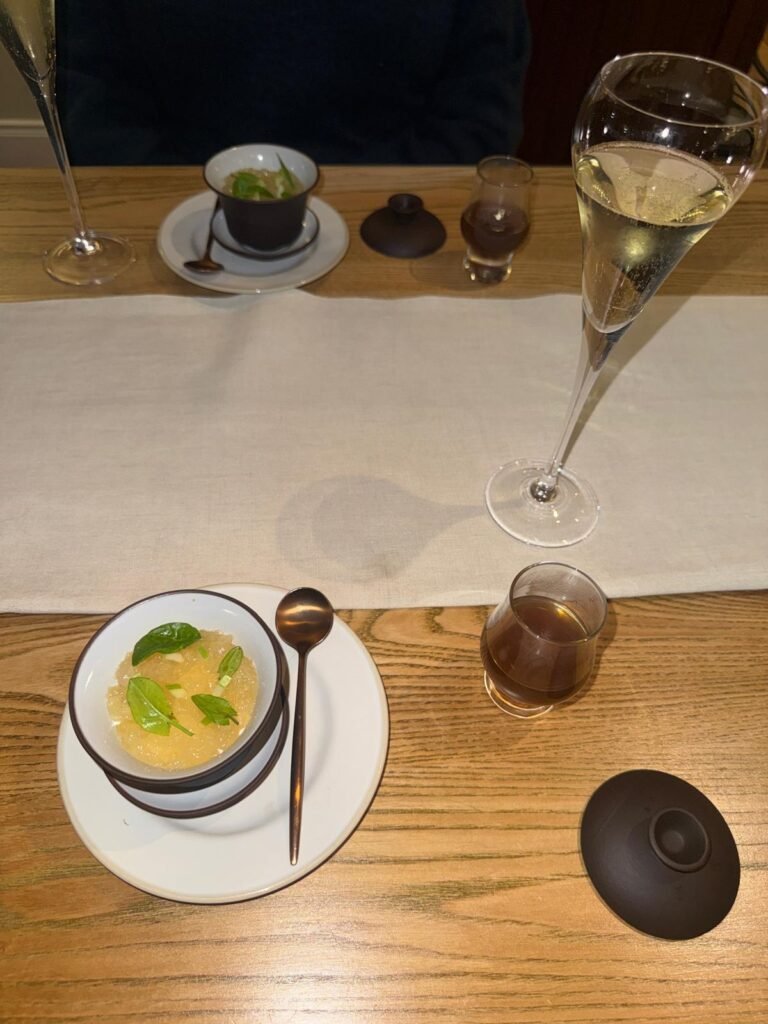
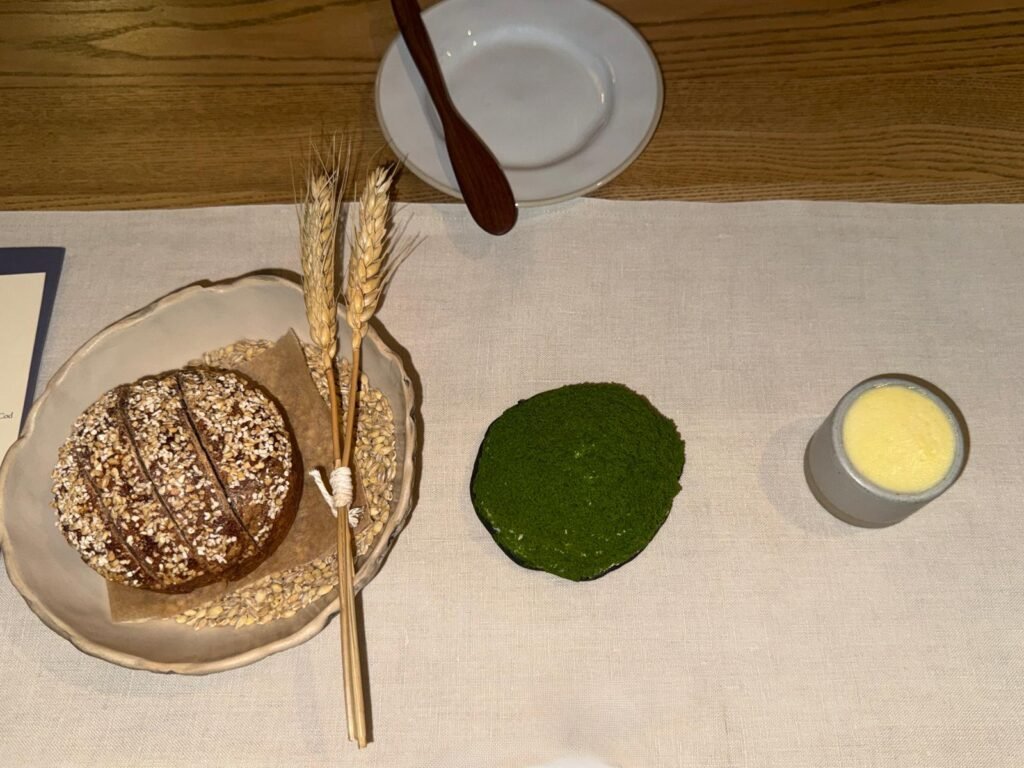
The Mòr menu then continued with Shetland brown crab, green apple and crab toddy, followed by “ancient grain bannock, stone‑ground in‑house, cultured butter, smoked cod roe”. The crab arrived in a bowl, topped with a layer of jelly that hid what was underneath.
When asked about this particular dish, Sean said: “If I could get away with doing every single dish in a bowl like that, I would. Everything is hidden, and when you get through it, you get different layers and textures. I love that element of surprise.” Each spoonful picked up a different mix of crab, cream and sharp apple, and the Gusbourne worked neatly alongside it. It was my mum’s favourite dish of the night.
The bannock course that followed showed off the team’s work with grain and fat. Ancient grains are milled in-house to make the bannock, which comes with cultured butter and Sean’s own smoked cod roe. “I love taramasalata, but by the time I get supermarket stuff home, it is vile,” he said.
“I thought I needed to make my own. I love smoky flavours, and I think the cod roe in that guise works really well.” Presented to look almost like moss or lichen on a stone, it was simple, fresh, and far more satisfying than anything served in a plastic tub.
What surprised us, course after course, was how everything appeared delicate but turned out to be more substantial than it looked. The bowls were deeper than you first realised.
The portions were generous without ever feeling heavy. The mix of tiny, elegant spoons, wooden handles, and different ceramic shapes made every dish feel like opening a small present. You expect something dainty and discover a whole landscape of flavour tucked inside.
Eating the landscape: barley brose, scallops and venison
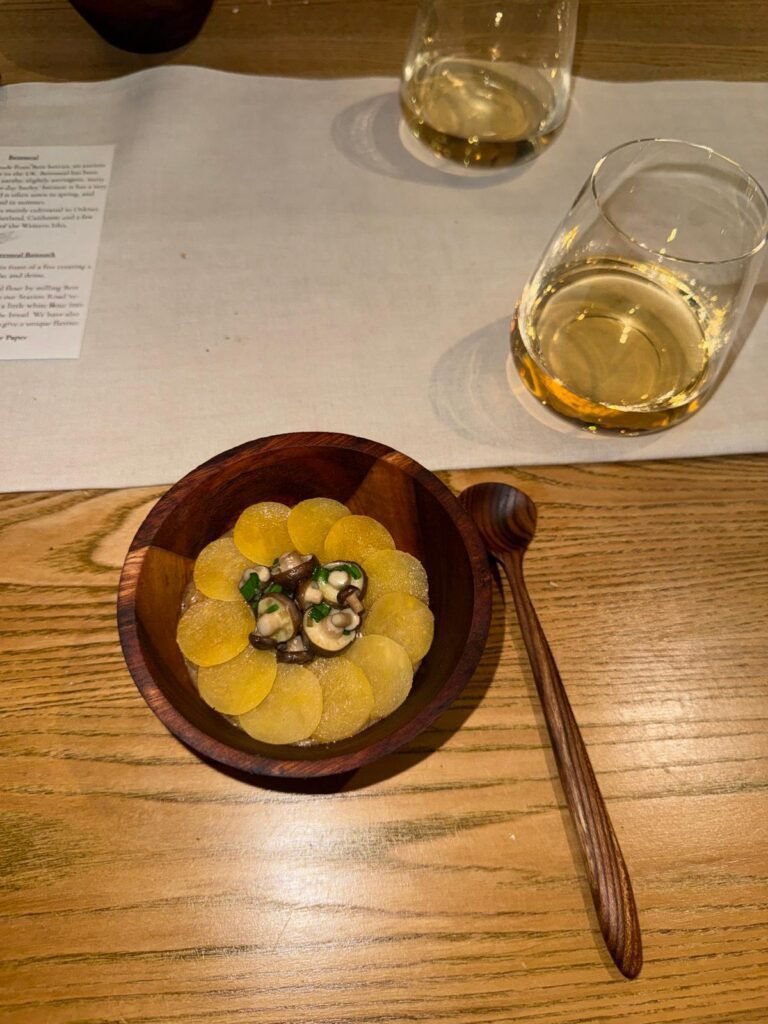
If one dish summed up the idea of “eating the Highlands”, it was the barley brose with beech mushrooms, neeps and wild garlic. It arrived looking like a miniature forest floor, with thinly sliced mushrooms and herbs scattered over what Sean described as a savoury porridge.
He said: “It goes back to history for me, I always wanted to have a form of porridge on the menu somewhere. It is important because it is really part of the Scottish landscape.”
Brose means different things in different parts of Scotland; here, it is a slightly soured, very savoury barley base with wild garlic picked just across the road from the hotel.
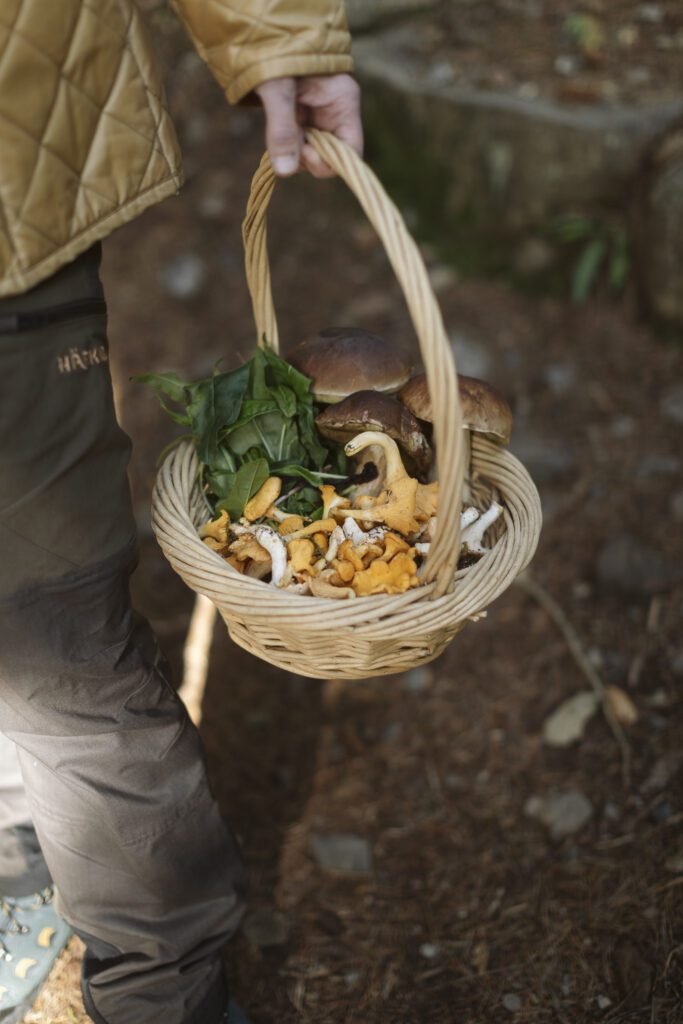
Sean said: “The wild garlic is literally across the road. In another three weeks, you will see a carpet of green, and when you walk past, you get this amazingwaft. I like guests to taste that in the bowl and feel they are eating what is growing around them.”
On the plate, it comes across as strong garlic, earthy mushrooms and properly comforting grains. We drank it with an orange wine that brought a bit of grip and warmth to the dish.
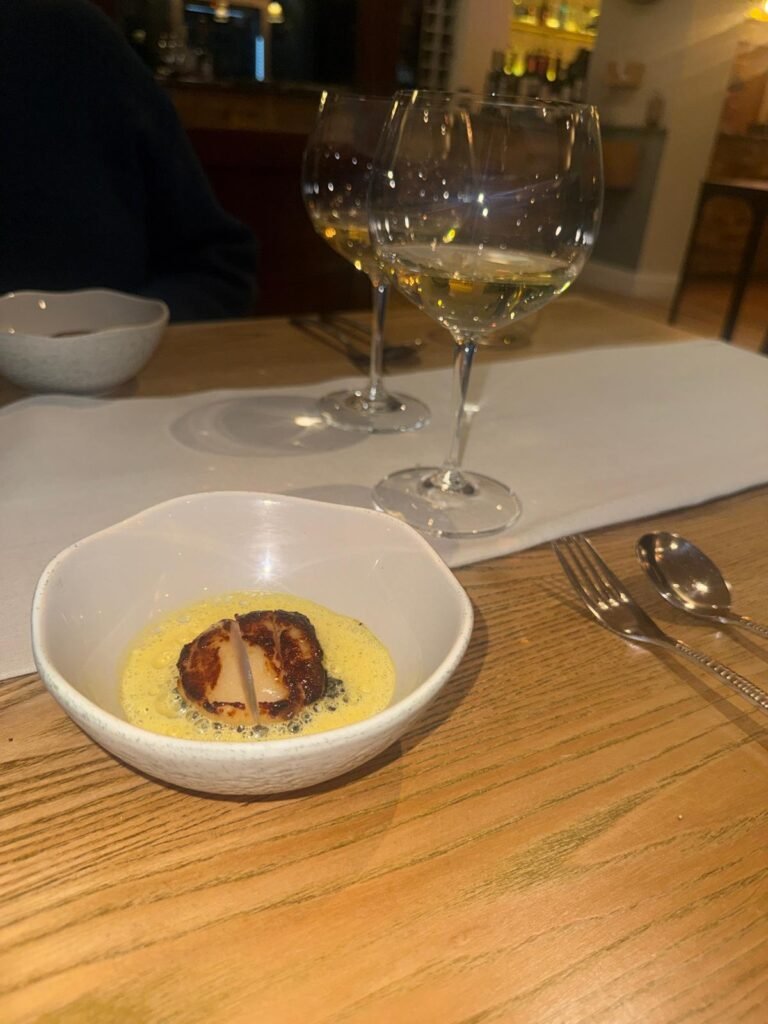
The hand‑dived Orkney scallop with preserved Crown Prince pumpkin was another highlight for me. The scallops were large and served warm, with a light foam on top and preserved pumpkin that echoed their natural sweetness without it becoming too rich.
Paired with Gusbourne’s Guinevere Chardonnay, it felt bright and almost coastal, the wine’s clean, mineral edge cutting neatly through the richness.
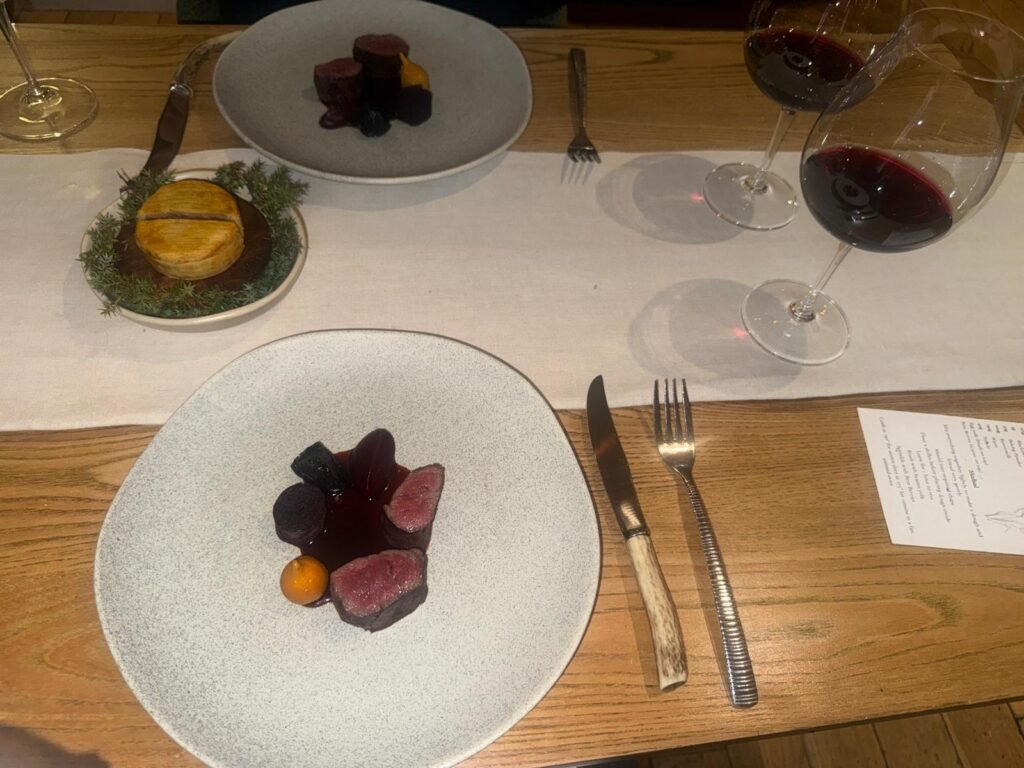
The Fassfern venison saddle with beetroot, “haggis spice” and sloe gin sauce brought us firmly into main‑course territory. The meat was beautifully cooked and incredibly rich, almost overwhelming for me as I had probably never properly eaten venison before.
It paired well with the red wine poured alongside, which helped to lift the intensity, and the little venison pie made from the trim was a quiet triumph, subtle and savoury and exactly the kind of comforting side that makes you scrape the plate.
Sean’s ethos is clear that nothing should go to waste at Station Road, he said: “With lamb, the belly goes into the stew and the main piece is the main element, then the trim goes into the wee pie. I am really keen that whatever comes in is used in some shape or form. That is how people here would have cooked in the past, and I think we can learn from that.”
Fermented oat sowans: a dessert with a past
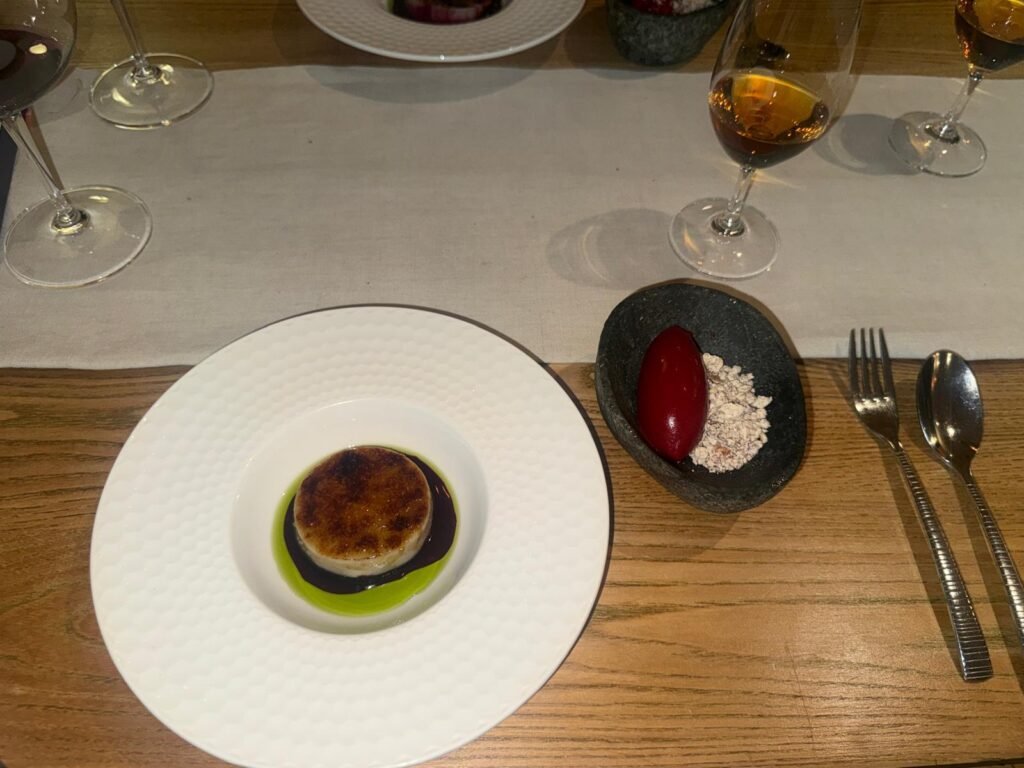
Later in the menu came one of the more unusual dishes: fermented oat sowans with meadowsweet and blackcurrants from Caroline’s parents’ garden. It looked fairly simple, a small set of cream with a sorbet‑like top and glossy blackcurrants, but there was a lot of history behind it.
Our server Connor, explained that the base is inspired by sowans, a traditional Scottish way of fermenting oats that once made a cheap, no‑waste staple. Oats are soaked in water for several days until they ferment; the milky liquid, known as swats, is strained off and either drunk or cooked until it thickens and sets. “They have created the swats and set it, which is what gives you that panna cotta style texture,” he told us.
The result tasted cleaner than it sounds: cold, firm and lightly sour, with sharp fruit to cut through it. The team are also testing ways to turn the leftover oat solids into something crisp, like granola. That way, even that part does not go to waste.
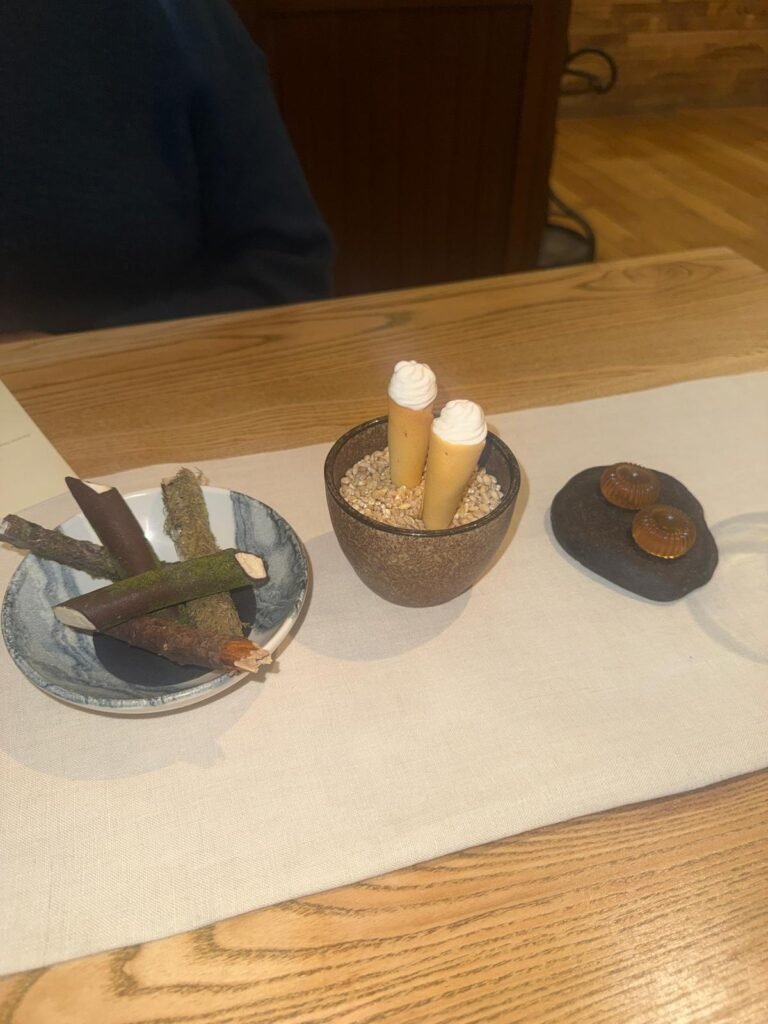
We finished with a whisky jelly, birch bark ice cream and yoghurt with quince, a playful nod to more familiar dessert flavours that still felt grounded in the Highlands and its trees, fruits and spirits. I did make the comical error of biting into a piece of bark which surrounded the actual dessert; it was hard to tell the difference, it looked so realistic.
Waste not, want everything
What runs through the entire Mòr menu is a quiet, rigorous approach to waste and sourcing. Cultured butter is made in‑house using sour cream. Once the butter separates, the buttermilk is folded back into the bread dough, while bones, trim and offcuts become pies, sauces and stocks.
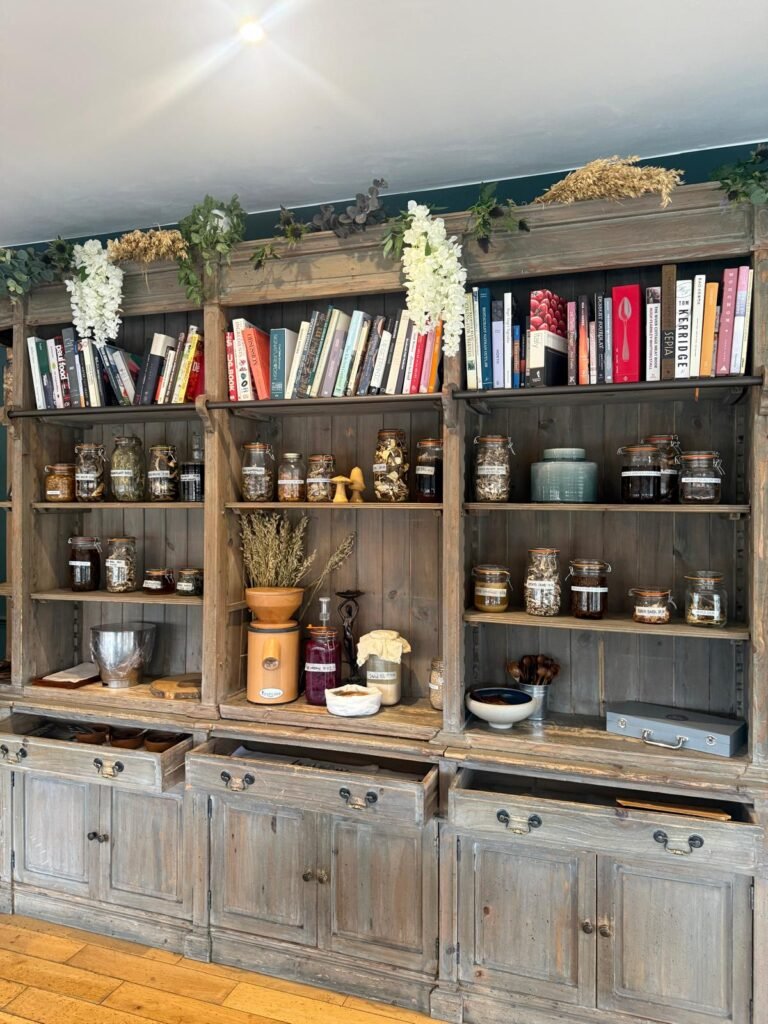
Vegetables are fermented, pickled or dried, and jars of potato and carrot peelings line a shelf in the dining room as both pantry and provocation.
“We have become a bit of a throwaway society, and I think it is the same with food,” Sean said. “Scottish people should be incredibly proud of their heritage. Scotland has so much to offer, and the Highlands have a uniqueness within Scotland that is all their own.”
Sean is careful not to let the story overwhelm the food, he said: “I started to question whether some of it was a bit gimmicky, whether I was trying too hard to tell a story about Scottish history rather than the food. In the end, I think you just have to do what you believe in and hope that comes through on the plate.”
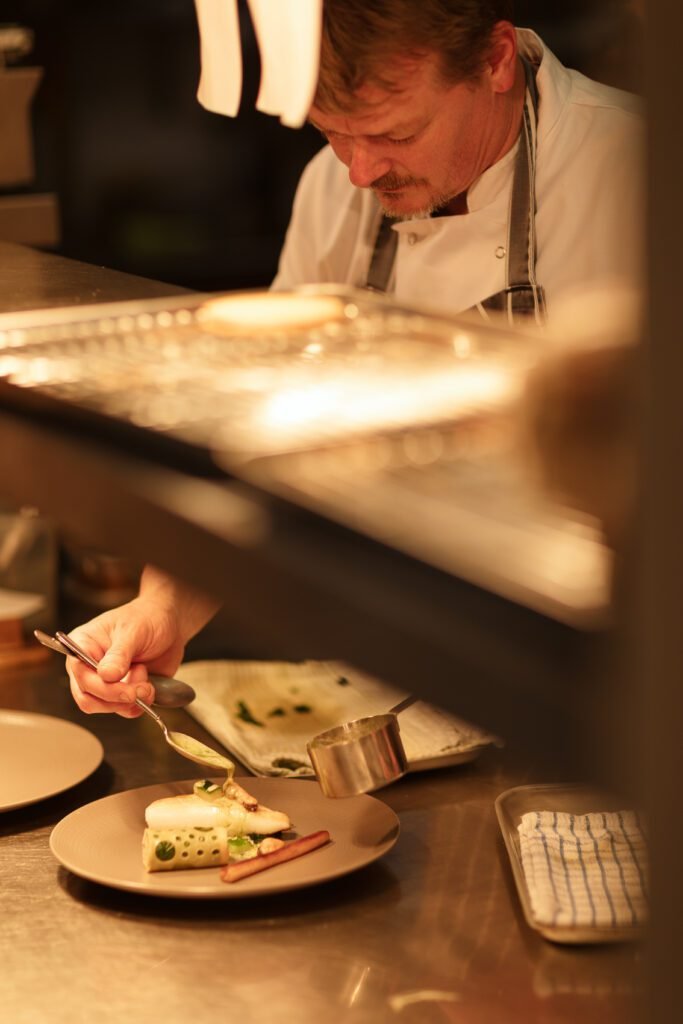
Overall, my experience at Station Road was excellent. My mum and I were welcomed warmly by Sean, Caroline and the team; the service remained relaxed and friendly, with a level of attentiveness that matched the cooking, and the food was consistently impressive throughout the evening.
I would highly recommend Station Road if you want a few quiet hours in a calm dining room, eating very good Scottish food and being well looked after by a knowledgeable front‑of‑house team. It is the kind of place that feels worth travelling for, and a thoughtful reminder of what Scottish hospitality can offer visitors and locals alike.
For current menus, pricing and reservations, visit The Lovat’s website at thelovat.com.