
A sharp fall in the wealth of a leading Moray whisky family has highlighted the pressures now facing even the most established names in Scotland’s whisky industry. The dynasty, whose distilling interests have long featured prominently in the Sunday Times Rich List, remains among the country’s wealthiest, but the reported drop in value points to a more unsettled period for Scotch fortunes.
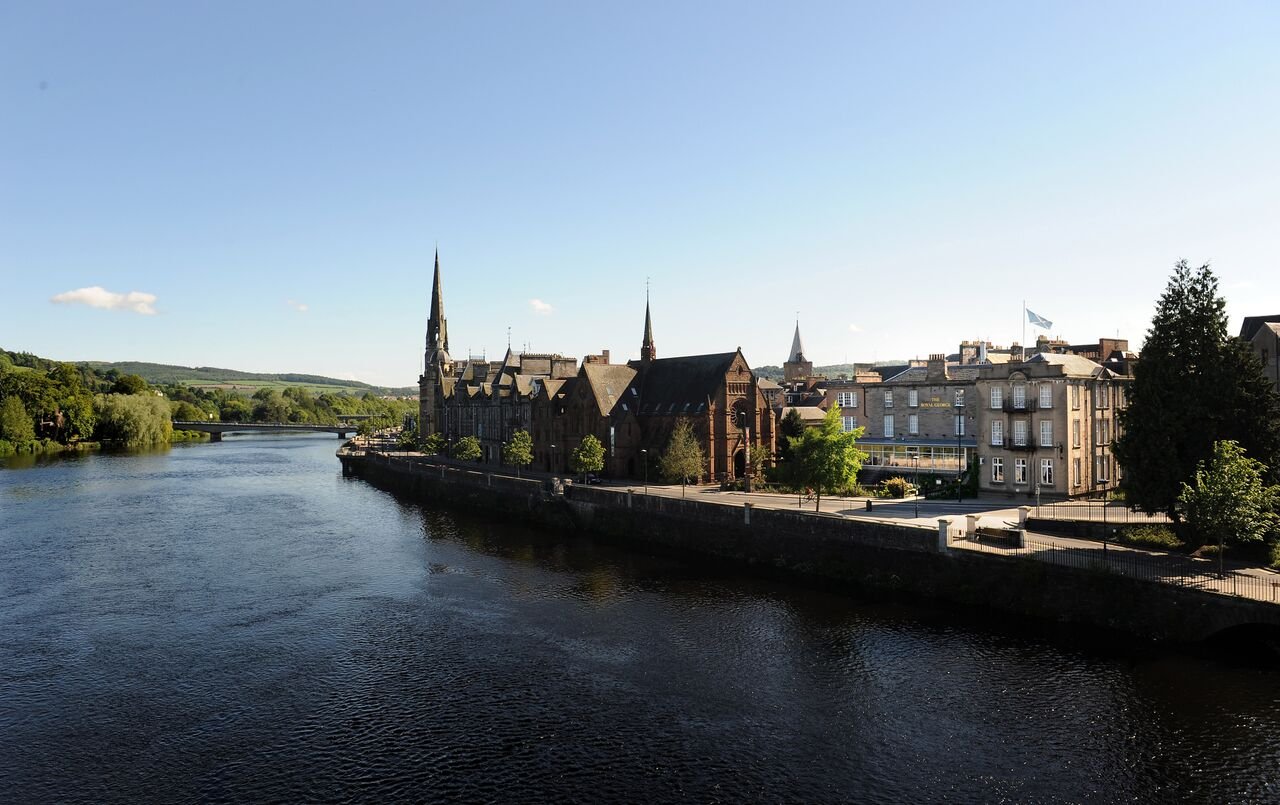
For decades, the rise of whisky dynasties in Moray has reflected the global success of Scotch as both an export and a luxury product. Distilling has helped shape the region’s economy and identity, with major family-owned businesses building international reputations from Speyside bases.
The latest decline is significant because it comes against a backdrop of wider industry strain. Producers across the Scotch sector have been dealing with softer demand, cost pressures and a more cautious international market. That has made the outlook less certain not only for distillers themselves, but also for the family fortunes tied closely to the performance and perceived value of whisky brands.
You Might Also Like:
No related posts.
There is also a broader investment story behind the figures. Rare and collectible whisky has cooled as an asset class after a period of strong growth, and investor sentiment around premium spirits is no longer as confident as it once was. In that sense, changes recorded through the Rich List do more than measure personal wealth; they also reflect changing confidence in one of Scotland’s most iconic industries.
In Moray, where whisky remains central to jobs, tourism and the wider food and drink economy, that shift carries particular local weight. Scotch is still one of Scotland’s great commercial success stories, but the latest Rich List movement suggests that even the strongest whisky dynasties are not immune to tougher global conditions.