
Progress made on Highlands Visitor Levy but ASSC warns it must be backed by economic evidence
The Association of Scotland’s Self-Caterers (ASSC) has welcomed the constructive changes that Highland Council has made to its draft visitor levy scheme, ahead of a special Council meeting on Tuesday 25 August, but has urged councillors to commission a robust economic impact assessment before an uncapped £5-a-night rate is put out to consultation.
Councillors will be asked to approve a draft scheme, based on a tiered fixed rate of £5 per room per night for hotels, guest houses, B&Bs and self-catering, and £2 per night for hostels and campsites, for a 12-week public consultation.
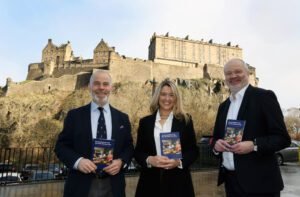
The ASSC has published new analysis, Highland Visitor Levy: Evidence and Key Considerations for Councillors, which has been circulated to all elected members, setting out what it believes is a critical evidence gap ahead of that decision.
The leading trade body praised the Council for moving away from a percentage-based charge – which Edinburgh stubbornly adhered to – as well as introducing a lower tier for budget accommodation, and offering a 5% administration allowance for businesses collecting the levy. However, it said the Council is not yet able to show what a £5 rate would mean for visitor numbers, length of stay, spending, jobs or business viability, because no economic impact assessment has been published.
The paper points to independent modelling in Perth & Kinross, where a £3 levy is projected to reduce visitor nights by around 40,000, GVA by £6.6m and support 147 fewer jobs, with a £4 levy projected to have an even greater impact. It also highlights that Highland’s proposed scheme has no cap on chargeable nights, meaning a three-month stay could attract £450 in levy charges, a figure which will be of particular concern for the many contractors, NHS staff and renewable-energy workers who rely on self-catering and other accommodation during extended placements in the Highlands.
According to independent research by BiGGAR Economics, self-catering makes a vital contribution to the Highland economy, generating around £200m of economic activity and supporting almost 6,800 jobs.
Given the stakes involved, the ASSC is calling on Highland Council to commission and publish independent economic modelling of the proposed £5 and £2 rates, alongside lower-rate alternatives, before or during the earliest stages of the consultation, so that stakeholders can respond to the evidence rather than a rate set in advance of it.
You Might Also Like:
 Scotland’s self-catering sector warns of economic harm amid regulatory overload
 Hospitality warns fresh cost hikes will force closures and job losses
 Wbg warns hospitality VAT cut may not deliver expected support
 Turas Hotels invests in staff housing and training to tackle Highlands recruitment crisis
Fiona Campbell MBE, Chief Executive of the ASSC, commented:
“Highland Council deserves real credit here and we commend their willingness to listen to industry. The move to a simpler, tiered fixed rate, with seasonal relief and a fairer administration allowance, shows what constructive engagement can achieve. We want that dialogue to continue and believe other local authorities can learn from their example. However, councillors are being asked to weigh a significant intervention in one of the Highlands’ most important industries without an economic impact assessment in front of them. Before an uncapped £5 charge goes out to public consultation, we need to see the evidence of what it will actually do to jobs, spending and communities across the Highlands.”