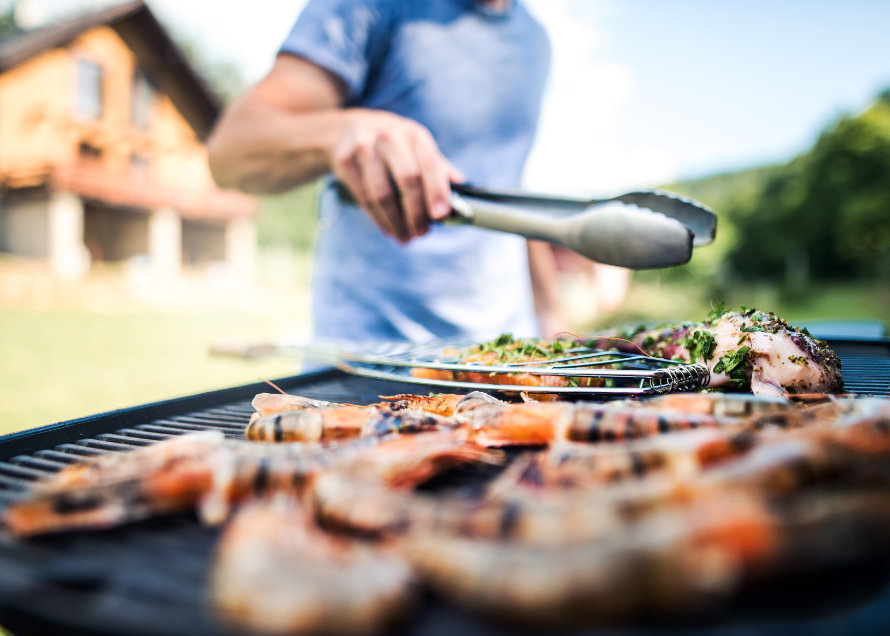
People making the most of the latest heatwave are being urged to rethink the way they cook, as soaring temperatures can make harmful bacteria multiply far faster than during the colder months.
From leaving BBQ food out in the sun to wiping sweaty hands on tea towels, many everyday kitchen habits that are relatively low risk in winter can become far more dangerous during periods of hot weather.
Kitchen experts at Prestige have revealed the five hygiene habits people should change during a heatwave, warning that warmer kitchens and higher room temperatures can create the perfect environment for bacteria to spread if food is not handled correctly.
Olivia Disley said many people naturally become more relaxed when entertaining outdoors or cooking for family and friends during summer, but that is exactly when extra care is needed.
“Heatwaves should be about enjoying great food with family and friends, not spending the following day dealing with food poisoning.
“I completely understand why people become more relaxed during warm weather. You’re carrying food between the kitchen and the garden, the barbecue is going, drinks are flowing, and cleaning up often becomes less of a priority.
“The problem is that bacteria thrive in warm conditions. Food that might safely sit on the worktop for a short while in winter can become a much bigger risk during a heatwave.
“The good news is that you don’t need to completely change how you cook. A handful of simple habits can dramatically reduce the chances of harmful bacteria spreading around your kitchen.”
Five kitchen hygiene habits to change during a heatwave
- Stop leaving food out while everyone eats
Whether it’s burger buns, pasta salad or cooked chicken, food should not be left sitting outside or on kitchen worktops for long periods.
“Summer gatherings often mean people graze throughout the afternoon, but food shouldn’t spend hours sitting in the heat,” Olivia said.
“Put perishable food back in the fridge once people have finished serving themselves.”
- Wash your hands more often than you normally would
Hot weather means people sweat more, move between the barbecue and the kitchen more frequently, and are often handling raw meat alongside drinks, snacks and serving dishes.
“It’s easy to think you’ve only touched the tongs or moved a plate, but your hands can quickly pick up bacteria.
“During a heatwave it’s worth washing your hands more frequently than you usually would.”
- Change tea towels and cloths more regularly
Damp cloths and tea towels can quickly become breeding grounds for bacteria during hot weather.
“During a heatwave they stay warm and damp for longer, which makes them much less hygienic.
“If a towel feels damp or has been heavily used, swap it for a clean one.”
- Keep raw meat completely separate from everything else
Cross-contamination becomes an even bigger concern when kitchens are busier and people are constantly moving between indoor cooking and outdoor barbecues.
“Use separate chopping boards, utensils and plates for raw meat and cooked food.
“One of the biggest mistakes people make is putting cooked burgers back onto the same plate that previously held the raw meat.”
- Clean kitchen surfaces immediately rather than later
Summer often means people delay cleaning until after everyone has gone home.
“During a heatwave, wiping down surfaces straight after preparing raw meat or messy foods is much safer than leaving juices, crumbs or spills sitting there in a warm kitchen.”
Three simple hacks that make summer food hygiene easier
Freeze a bottle of water to create extra cooling space
If your fridge is packed with salads, drinks and barbecue food, a frozen bottle of water placed inside a cool bag helps keep food colder for longer when eating outside.
“It gives you extra flexibility without food sitting in the sun.”
Keep kitchen roll beside your chopping board
Rather than walking around with messy hands, use kitchen roll to deal with spills immediately before bacteria have chance to spread.
“A five-second clean-up is much easier than disinfecting half the kitchen later.”
You Might Also Like:


Create a ‘raw food zone’
Dedicate one small area of the worktop purely to preparing raw meat and nowhere else.
“It sounds simple, but having one designated preparation area makes it much easier to avoid cross-contamination, especially when several people are helping with the cooking.”