BrewDog co-founder and former chief executive James Watt is preparing to invest £10m of his own money in a bid to rescue the embattled craft beer giant, as the company’s sale process moves into a crucial second round of offers. Watt, who stepped down as chief executive in 2024, is understood to be lining up additional backing from external investors as he seeks to regain control of the group he founded in 2007.
According to briefings to potential partners, Watt has pledged to commit £10m of his personal wealth to the deal, setting the stage for a high‑stakes contest with multinational brewing groups eyeing BrewDog’s brands and brewing assets. The fresh show of intent comes just hours before would‑be buyers are due to submit second‑round bids, following an initial wave of offers lodged earlier in the week.
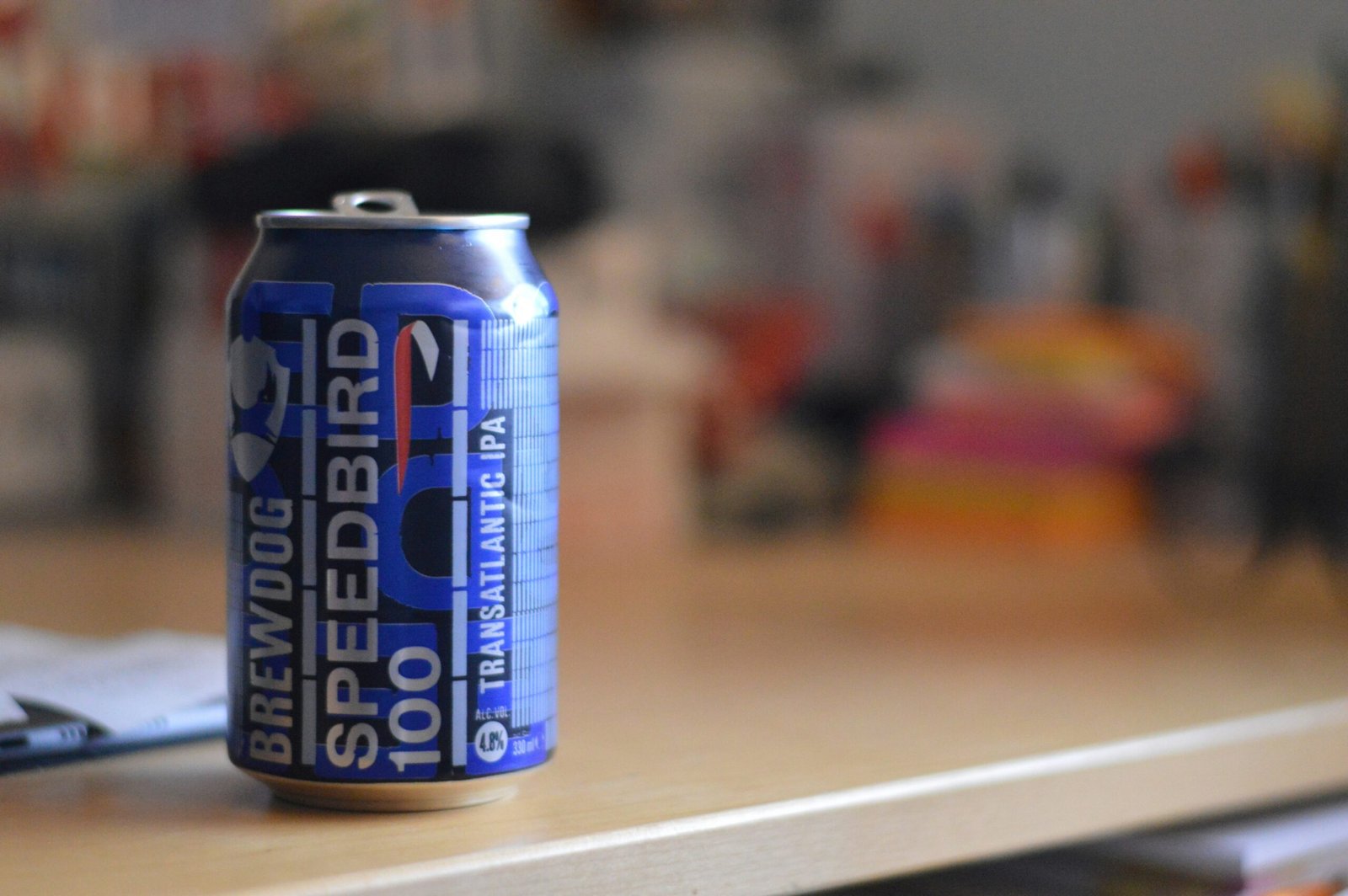
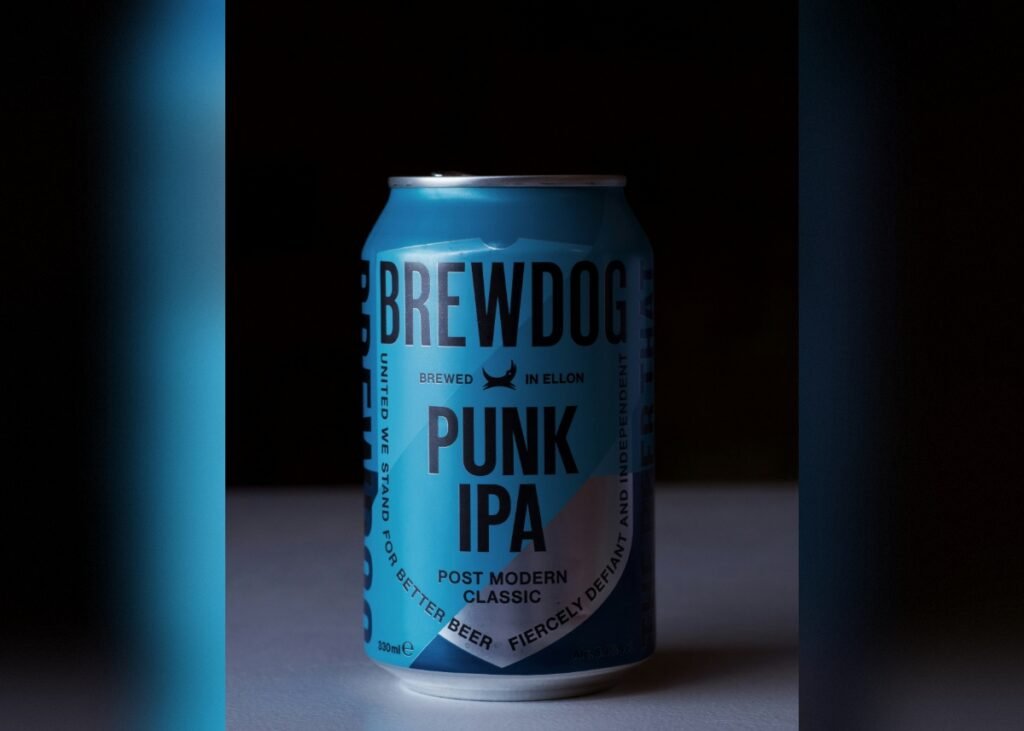
Global drinks giants are expected to feature prominently in the process, attracted by BrewDog’s portfolio of well‑known beers such as Punk IPA and Elvis Juice. Watt is said to be keen to acquire the business in its entirety, although insiders suggest the precise structure of any transaction remains unclear as discussions continue this weekend.
The sale process was kicked off after BrewDog was formally put on the market, with restructuring specialist AlixPartners appointed to run a “structured and competitive” review of potential new investment and ownership options. Any deal could have significant implications for BrewDog’s roughly 220,000 small investors, many of whom bought in through the brewer’s Equity for Punks crowdfunding schemes with an average outlay of about £400.
The company has raised around £75m from retail investors since its first Equity for Punks share sale in 2009, offering perks including discounts and early access to new beers, with the most recent round completed in 2021. In 2017, US private equity firm TSG Consumer Partners purchased a 21 per cent stake in BrewDog in a deal that implied a “unicorn” valuation of at least 1bn dollars, or about £732.5m at the time.
However, BrewDog’s rapid expansion has run into the harsh realities of the UK’s pressured hospitality and brewing sector, with rising costs and changing consumer habits weighing heavily on the business. Despite generating gross sales of £357m in 2024 and shipping its beers to more than 50 countries, the company still posted a £37m loss for the year.
You Might Also Like:


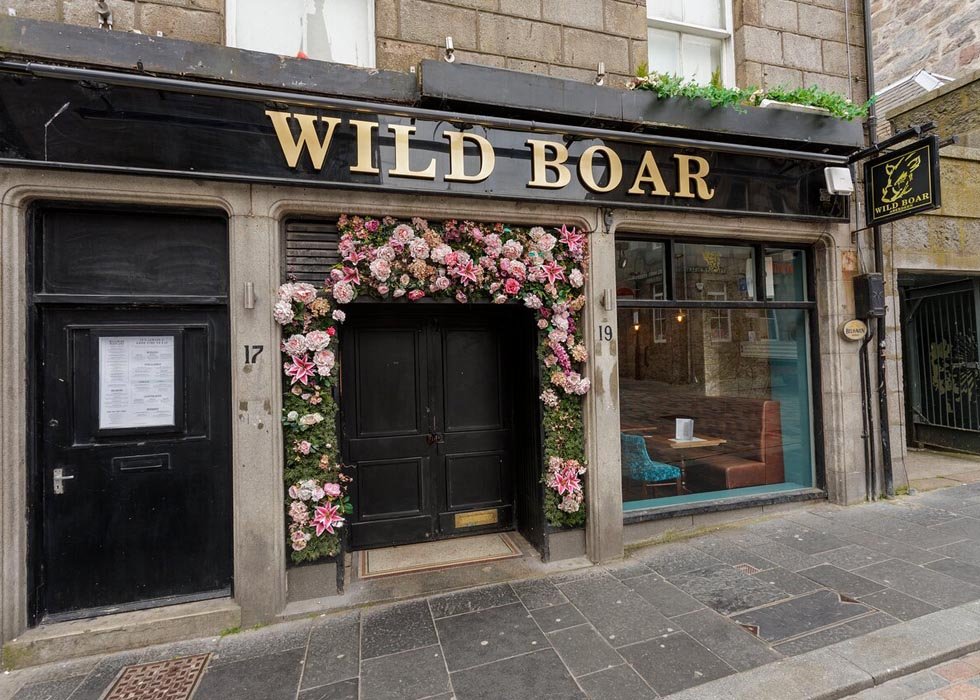
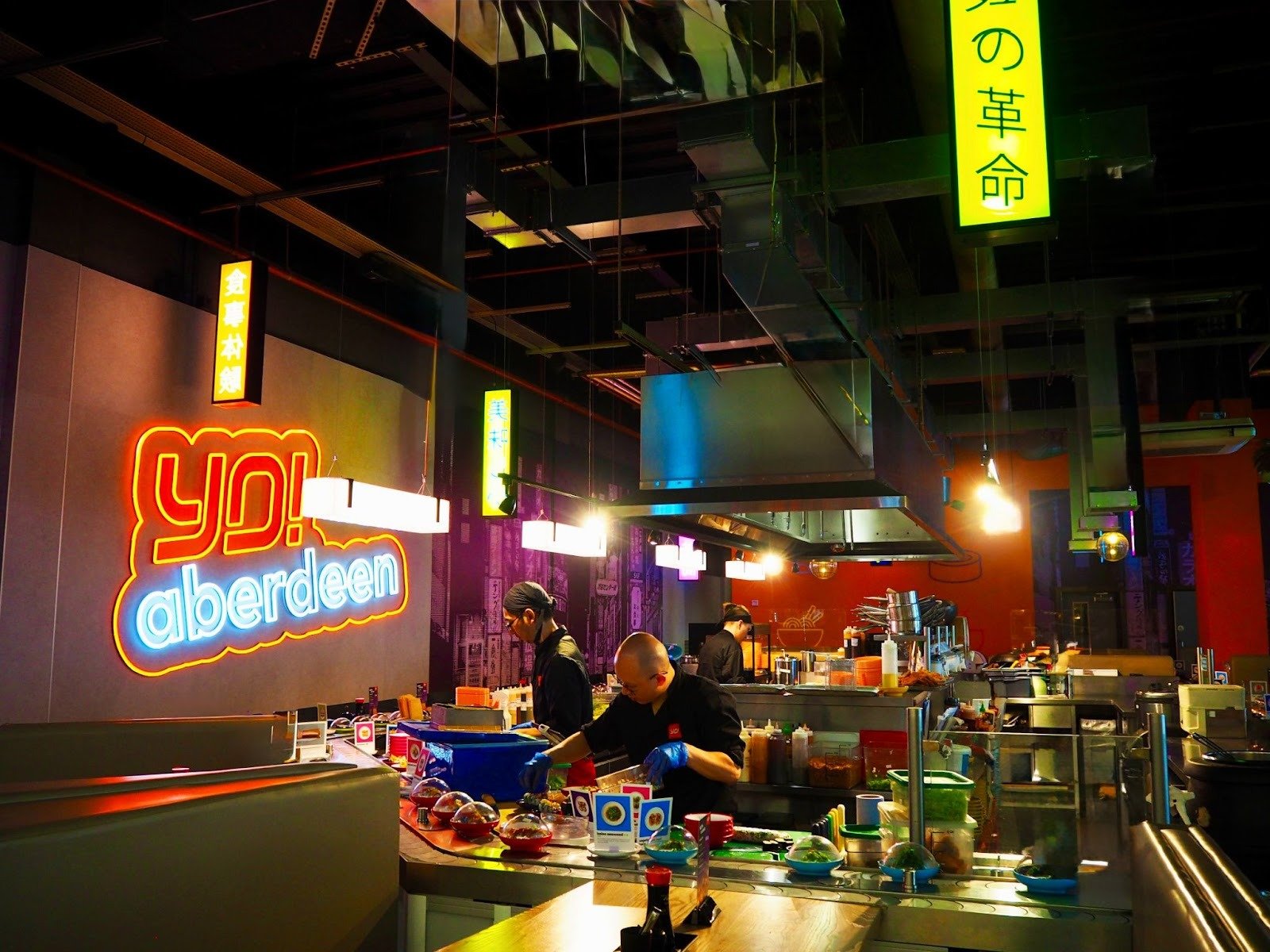
The brewer currently operates 72 bars worldwide, including sites in London and Las Vegas, but has already been forced to trim its estate, closing 10 venues in July, among them its flagship bar in Aberdeen. BrewDog employs roughly 1,400 people and commands around a 4 per cent share of the UK off‑trade grocery beer market by value, underlining its importance in the craft segment even as profitability has come under strain.
In a statement, BrewDog said it, like many businesses operating in a “challenging economic climate” and facing “sustained macro headwinds”, regularly reviews its options with an eye on long‑term strength and sustainability. The company pointed to “decisive action” taken in 2025 to prioritise cost control and operating efficiencies, and confirmed that AlixPartners had been brought in to support the next phase of investment discussions.
BrewDog described the review as a “deliberate and disciplined step” intended to shore up its brand and operations, expressing confidence that the process “will attract substantial interest” from potential backers. The company declined to comment further on the progress of talks or on Watt’s reported bid preparations.