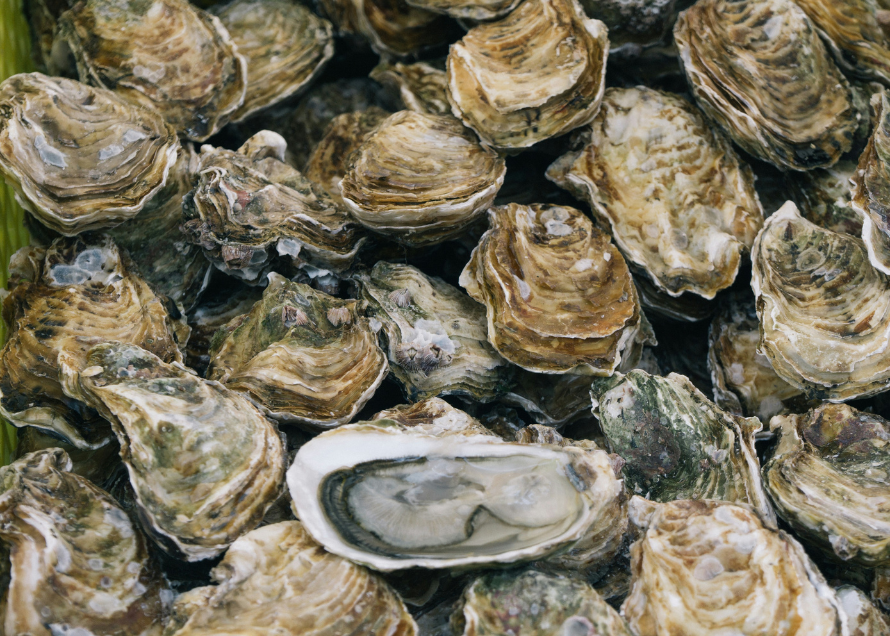
Restoration efforts on Loch Melfort have been boosted by experimental sea‑going robotics that can identify the most suitable sites for reintroducing European flat oysters and protecting critically endangered flapper skate. The loch, on the Kilchoan Estate south of Oban in Argyll, already hosts an established oyster restoration initiative and serves as a sanctuary for flapper skate.
The work forms part of a broader push by the Scottish Association for Marine Science (SAMS) to combine expertise in AI, robotics and marine biology to improve how marine habitats and growth are assessed. SAMS has also been using conferences and outreach to showcase restoration work across Scotland, underlining the importance of technology‑driven monitoring in fragile coastal environments.
You Might Also Like:



A collaboration involving the SAMS Enterprise team, Unique Group and the University of Glasgow is planning a major autonomous surface vessel survey of Loch Melfort, following a successful initial trial. Sensors on board the robotic vessels will measure current speeds and use sonar to map the loch’s bathymetry, feeding into a detailed habitat suitability model.
The model will be used to identify priority areas for oyster reintroduction and the sites most likely to be used by flapper skate for egg‑laying along Loch Melfort’s 22‑kilometre shoreline. Researchers say a successful framework here could be replicated in similar Scottish sea lochs, helping to scale up nature restoration and protection projects.
A SAMS spokesperson said the project shows how cutting‑edge tools can directly support conservation: “By bringing robotics and marine science together in places like Loch Melfort, we can pinpoint where restoration will deliver the greatest benefit for vulnerable species and habitats.” They added that the approach “offers a blueprint that can be adapted for other Scottish lochs as we work to restore and protect our coastal seas for the long term.”