A new report from the Food and Drink Federation has shown that the economic contribution of Scotland’s food and drink manufacturing industry grew by a fifth (20.2%) in 2025, compared to 2024. The sector now contributes £5.7bn to the Scottish economy. This makes food and drink Scotland’s largest manufacturing sector, representing almost a third (32.4%) of the region’s total manufacturing turnover.
Scotland accounts for a tenth (10.4%) of the UK’s total food and drink manufacturing turnover, showing the key role of Scottish food and drink businesses to the British food scene. From Ayrshire dairy products to oatcakes and shortbread, Scotland is known for its heritage and high-quality food and drink brands.
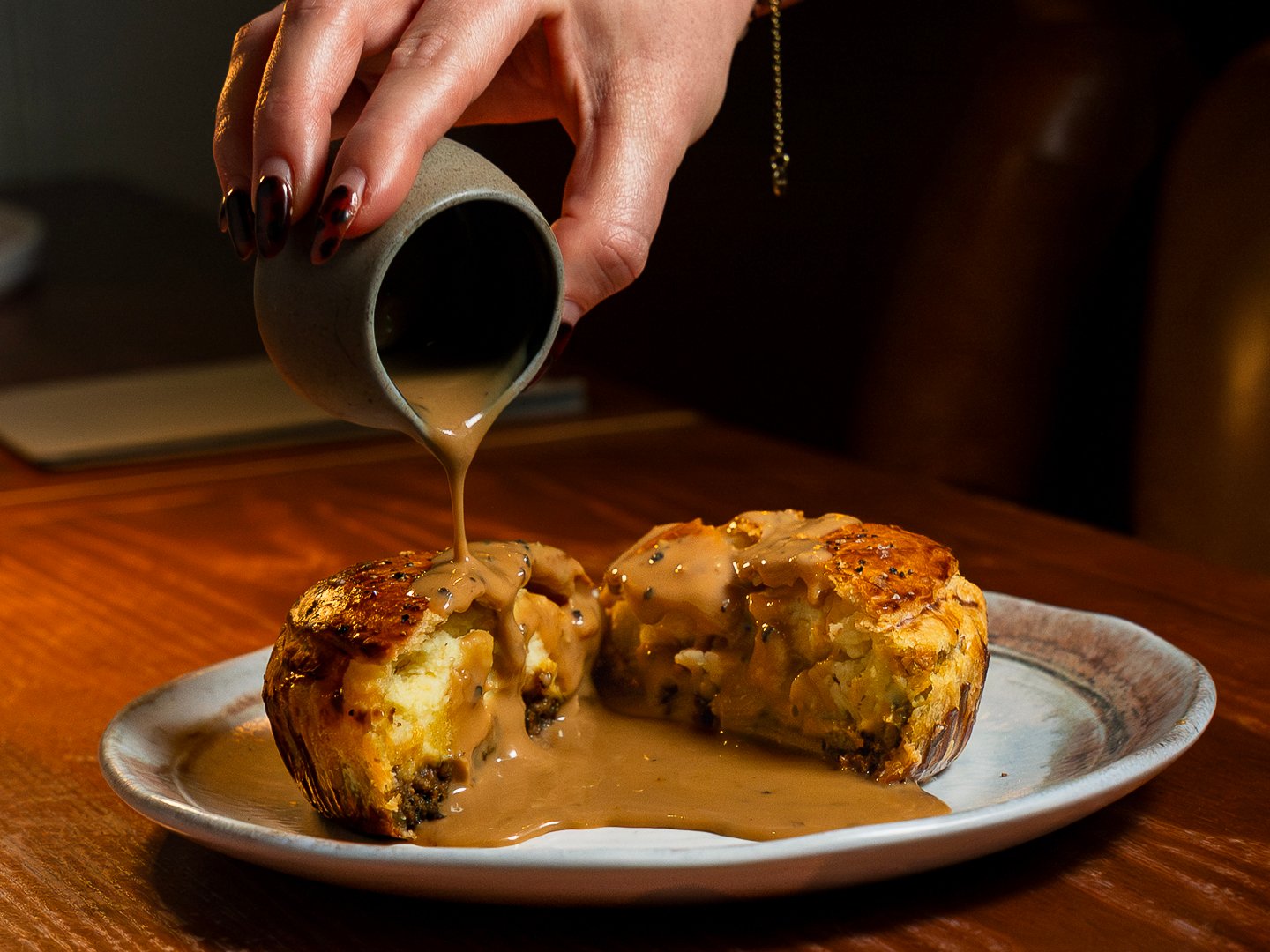
The report highlights how the impact of food and drink businesses, big and small, touches communities in every part of Scotland. For example, the Paisley Pie Co., which was a finalist in the MP’s Choice: Food and Drink SME of the Year awards, has helped put Paisley produce on the map with its viral ‘Big Daddy Donner’, while iconic brand Nairn’s, which has been baking its oatcakes for 130 years, employs 240 people in Scotland.
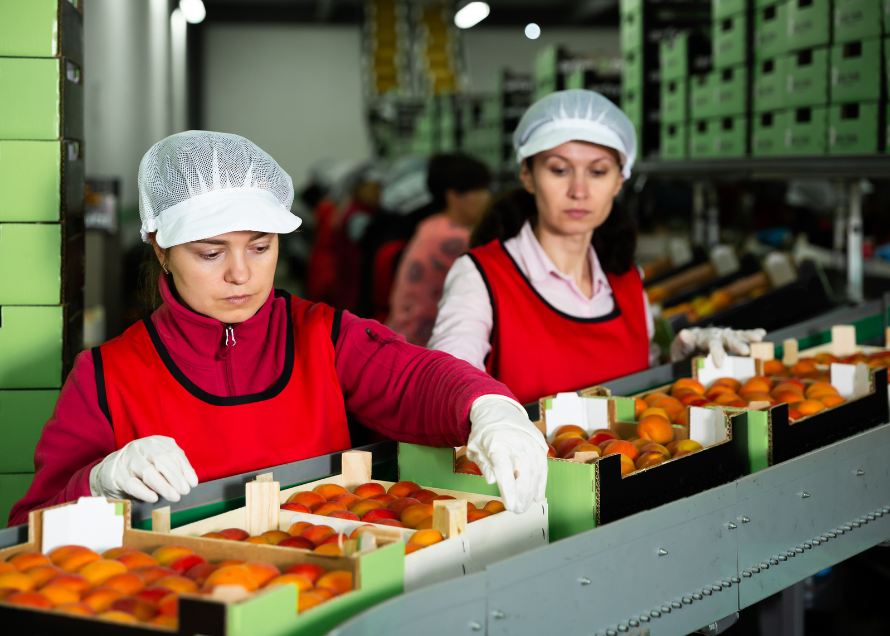
Across Scotland, the sector provides 43,000 long term careers from food microbiologists to sustainability experts, representing over a quarter (26%) of total manufacturing employment.
While Scotland’s 1,200 food and drink manufacturers remain significant drivers of growth and opportunity in communities, piling cost pressures over recent years, along with further global uncertainty in 2026, have hampered businesses’ ability to invest in technology, innovation, skills and growth. UK-wide, food manufacturers saw production costs increase 4.4% on average, rising up to 5.3% for small businesses1.
Ahead of the Scottish elections, industry leaders are urging Scottish parliamentarians to commit to protecting this vital sector’s future resilience and growth.
This includes minimising policy divergence across the UK to create a more stable and certain regulatory environment for Scotland’s food manufacturers, reducing cost and complexity for businesses. It also includes providing ring-fenced grants for food and drink businesses to help them invest in innovation and drivers of productivity, as well as reforming the skills delivery model in Scotland to ensure it addresses the future skills needs of businesses.
David Thomson, Chief Executive Officer, FDF Scotland said:
You Might Also Like:




“Our dynamic, innovative and resilient food and drink manufacturing industry is truly a strength of Scotland. Food and drink businesses are at the heart of communities across the country, providing long-term careers, investing in local initiatives and putting Scottish heritage and culture on the map globally.
“These businesses are ambitious, but years of rising costs and regulatory pressure, along with the impacts of climate change and geopolitical volatility we’re seeing now, are putting those ambitions for growth at risk. With elections in a matter of weeks, it’s vital that we see Scottish parliamentarians commit to safeguarding the future of Scottish food and drink manufacturing by helping businesses invest in technology, skills and net zero.”
A key priority for Scottish food and drink manufacturers is building environmental sustainability. FDF Scotland is urging government to engage with industry to understand the barriers businesses face to reaching next zero, including tracking a headline figure for carbon emissions for the food and drink sector. This would help industry and Scottish government to understand the positive impact that could be made through helping businesses to cut emissions.