Scotland’s expertise in cask maturation could play a key role in unlocking greater complexity in spirits made from potatoes and other non-grain ingredients, according to new research.
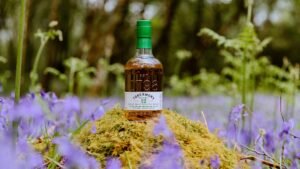
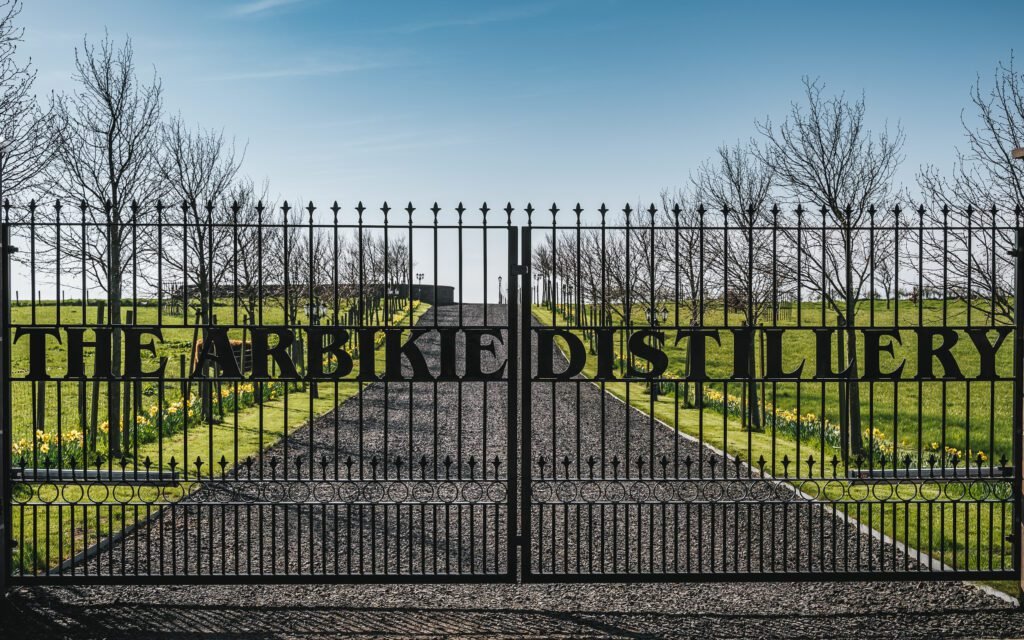
Arbikie Distillery in Angus, Scotland’s first producer of potato-based vodka, partnered with chemists at Heriot-Watt University to analyse the aroma profile of an experimental 10-year-old potato spirit.
The spirit is distilled from ‘wonky’ potatoes grown on the Arbikie estate, giving value to produce that might otherwise go to waste.
The study found that cask ageing significantly enhanced both the aroma and flavour complexity of the spirit compared to its unaged counterpart.
Kirsty Black of Arbikie Distillery said vodka, the most widely recognised potato-based spirit, is typically distilled to a high level of purity and bottled without maturation, allowing it to go from still to shelf quickly.
She said the team wanted to explore whether applying Scotland’s long-standing cask ageing expertise could reveal a different character in potato spirit and help create a distinctive new category.
The spirit was matured in a bourbon barrel for 10 years before being analysed by Dr Ruaraidh McIntosh and Dr David Ellis at Heriot-Watt’s Institute of Chemical Sciences.
Dr McIntosh said both chemical and sensory analysis confirmed that cask ageing added significant character and complexity. Using nuclear magnetic resonance spectroscopy, a chemical fingerprinting technique, the team identified the compounds present without relying solely on subjective tasting.
A sensory panel was also used to assess aroma, with findings showing the potato spirit shared several characteristics with Arbikie’s whisky matured in similar casks.
Dr Ellis said the cask plays a crucial role in shaping a spirit’s final profile and added that exploring alternative crops could help future-proof the drinks industry against climate change.
With barley production potentially affected by shifting temperatures, he said diversifying raw materials could help mitigate the risk of crop shortages while also opening the door to entirely new Scottish spirit styles.
Arbikie has already released a range of spirits made from alternative crops, including pea-based gin and vodka under its Nàdar brand, alongside rye whiskies under its Highland Rye label.
Black added that the collaboration with Heriot-Watt provided valuable molecular-level insight, supporting innovation and long-term resilience in spirit production.
You Might Also Like:
No related posts.
“This research highlights the potential of alternative crops when combined with proper maturation,” she said. “The next step is to apply these findings more widely as we plan for a changing climate.”
Heriot-Watt is raising £35million for its new Centre for Sustainable Brewing and Distilling. Read more here: https://www.hw.ac.uk/news/2025/heriot-watt-university-unveils-35m-vision-for-a-new-centre-for-sustainable-brewing-distilling