Trade body Salmon Scotland leads five-day mission to New Delhi and Mumbai.
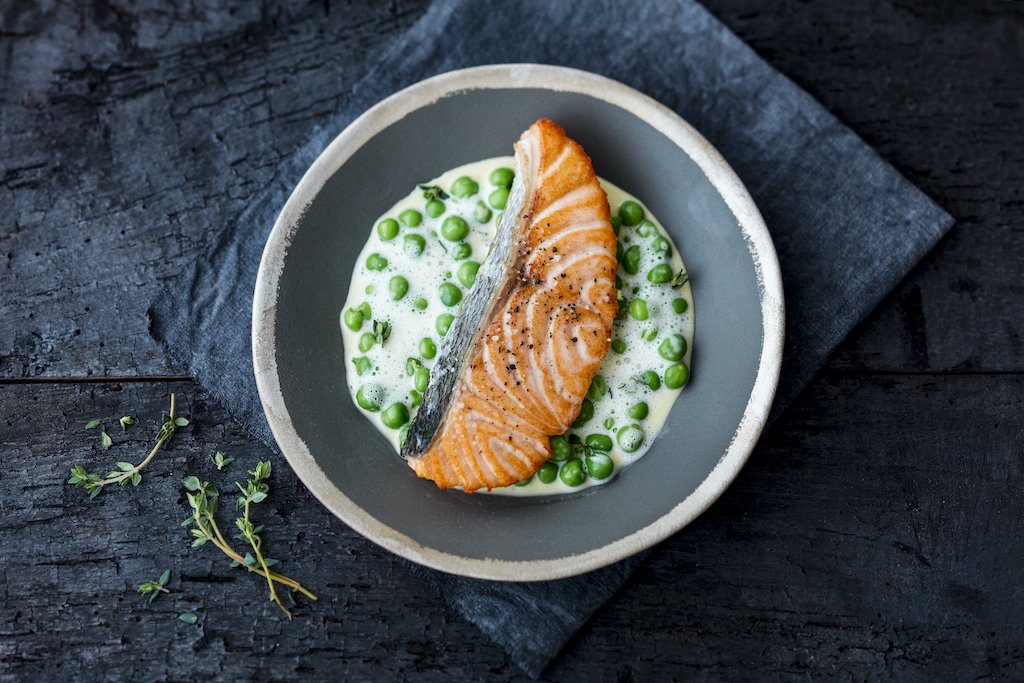
Scottish salmon farmers have commenced a five-day trade mission to India, targeting a new export market potentially worth up to £130 million over the next decade. Organised by trade body Salmon Scotland, the mission marks its first dedicated overseas trade mission globally, bringing producers together to visit New Delhi and Mumbai this week. The aim is to establish new partnerships and cultivate demand for fresh Scottish salmon.
This initiative follows the UK-India free trade deal, known as CETA, which removed a 33 per cent tariff on Scottish salmon months prior. Four of Scotland’s five largest salmon producers – Bakkafrost Scotland, Loch Duart, Mowi Scotland, and Scottish Sea Farms – are participating, representing over 80 per cent of Scottish salmon exports. The UK India Business Council (UKIBC) is supporting the delegation, which saw its first major shipment arrive in India in July.
Harjinder Kang, His Majesty’s trade commissioner for South Asia and British deputy high commissioner for Western India, stated: “The UK-India Free Trade Agreement is unlocking significant new opportunities for UK exporters, with Scottish salmon standing out as a premium UK product well placed to meet the growing demand in India.
“By connecting UK suppliers with Indian buyers, trade missions like this help turn the ambitions of the agreement into real business opportunities, supporting increased trade, investment and long-term commercial partnerships.” Over 100 direct flights weekly link the UK and India, facilitating fresh salmon delivery from Scotland’s west coast, Highlands, and islands within days of harvest.
During the five days, the delegation plans meetings with importers, distributors, retailers, hotel buyers, and leading chefs to build new partnerships and foster demand. The programme also includes discussions with the British High Commission and Indian government officials, plus one-to-one meetings with prospective customers.
A primary focus involves enhancing the supply chain movement of fresh salmon, including talks with Indian customs and food safety authorities for faster, more predictable clearance. Salmon Scotland analysis suggests exports to India could reach up to £130 million over the next decade, potentially rising to over £30 million annually by the end of the decade under high-growth projections.
India is the world’s third-largest fish market, with domestic consumption reaching nearly 12 million tonnes in 2021, and demand for premium imported seafood increasing in its major cities. Scottish salmon is the UK’s largest food export, with international sales valued at £828 million in 2025.
Dr Kishore Jayaraman OBE, group chief executive of the UKIBC, commented: “UKIBC is delighted to support the Scottish salmon sector to strengthen its presence in India’s fast-growing premium food and hospitality segment. With rising demand for high-quality proteins and world-class culinary experiences, this partnership opens valuable opportunities for Scottish producers and Indian importers, hotels, and retailers alike.
You Might Also Like:
 Scottish salmon production and jobs rise as 15 million fish fail to reach harvest
 wagamama sets sights on 100 Indian restaurants in multi-million-pound K Hospitality joint venture
 Scottish salmon exports top £6bn in a decade as global demand surges
 First shipment of Scottish salmon sent to India following trade deal
“Together, we are building a resilient, cold-chain-enabled supply network that ensures fresh, consistent, and reliable deliveries across key Indian markets. By leveraging CETA’s tariff benefits and UKIBC’s on-the-ground expertise, we aim to create a win-win corridor with enhanced choices for Indian consumers while supporting sustainable growth and jobs in both countries.”
James Park, head of international trade and engagement at Salmon Scotland, stated: “This is the first time we have brought our producers together for a dedicated trade mission anywhere in the world, and India is an exciting place to start. The removal of the 33 per cent tariff has created a major new opportunity, and this week is about getting out into the market, listening to Indian businesses and turning that opportunity into long-term trade.
“We’ll be meeting importers, distributors, hotel buyers and chefs to understand what they need and how Scottish producers can work with them, while also looking at how we can make the supply chain as smooth and efficient as possible. We want to build strong, long-term partnerships that give Indian businesses and consumers greater access to fresh Scottish salmon, while supporting investment, growth and well-paid jobs in Scotland.”