Employment in sector climbs while 86,000 salmon escape farms.
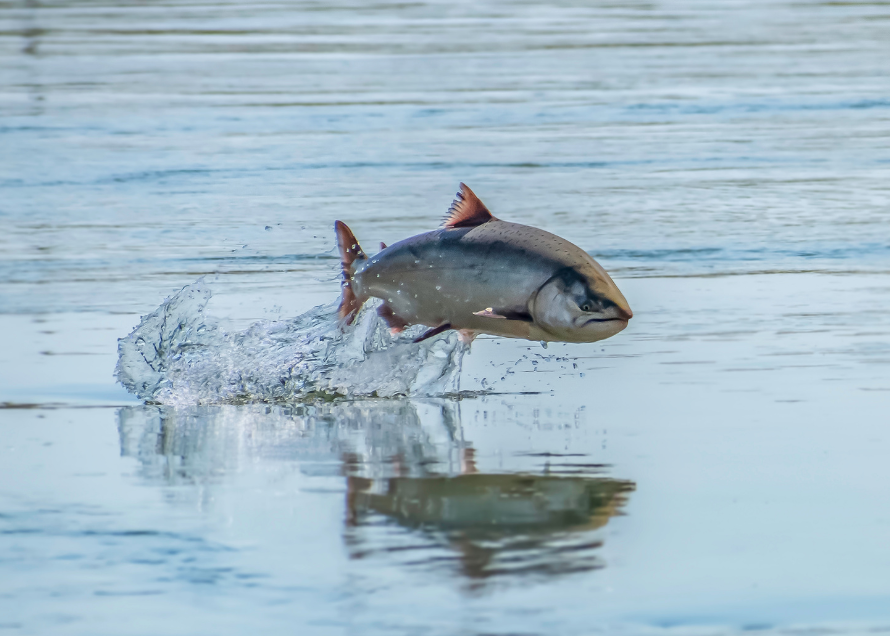
Atlantic salmon production in Scotland rose by 3% to 197,836 tonnes in 2025, up from 192,000 tonnes a year earlier, according to the latest Scottish Fish Farm Production Survey. Despite an overall increase in survival rates, the survey also revealed that 15 million salmon, representing a third of all farmed fish, did not make it to harvest.
The 5,836 tonne increase in production was compiled from data collected directly from authorised fish farming businesses. The number of people directly employed in seawater salmon production also saw an increase, up 4% to 1,410, an addition of 48 individuals.
Tavish Scott, CEO of industry body Salmon Scotland, commented on the findings. He said: “These figures are another vote of confidence in Scottish salmon, with production up by 3% as our farmers respond to strong demand at home and growing interest in markets around the world.
“Employment is also up again, underlining the importance of salmon farming to Scotland’s rural and coastal communities. These are high-quality, well-paid jobs which help sustain local economies and enable communities to thrive.”
While the survival rate improved from 61.8% for the previous year class to 68.8%, campaigners have highlighted the persistent scale of mortalities at sea. Rupert Evelyn, campaign director at the Green Britain Foundation, drew attention to the figures. She said: “15 million salmon never made it to harvest. That’s nearly one in three fish. That’s industrialised death and it’s only part of the picture. It doesn’t count fish lost in hatcheries or the cleaner fish that die in the pens. In the Western Isles, close to half never made it.”
Evelyn also made a comparison to another major salmon farming nation, she said: “Scotland also does worse than Norway, which farms the same fish, often with the same companies. Last year, the death rate on Scottish salmon farms was almost a third higher than Norway’s.”
Nick Underdown, Scotland director at conservation charity WildFish, expressed strong concerns regarding the industry’s impact. He said: “Year after year, these figures document the tragic and short-sighted industrial-scale exploitation of our precious coastal waters.
“The direction of Scottish Government policy remains fundamentally wrong. Ministers continue to drive the expansion of open-net salmon farming while our wild salmon populations are collapsing. The Scottish Government should stop measuring success by how many tonnes of farmed salmon companies like Mowi and Bakkafrost can produce and start measuring the damage this industry leaves behind.
“We need an immediate halt to further expansion of open-net salmon farming, much stronger regulation and enforcement of existing farms, and a clear plan to transition away from salmon farming altogether.”
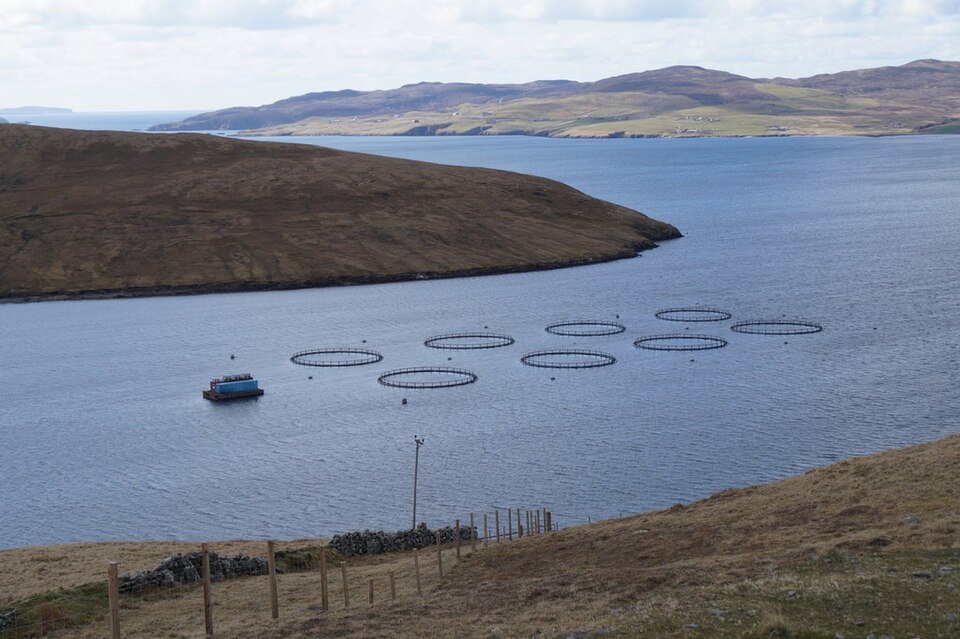
The survey also indicated a trend towards production in larger sites, with 91% of total production derived from sites producing more than 1,000 tonnes. The number of seawater pens has reduced while their capacity has increased, and stocking density rose from 7.3 kg/m3 in 2024 to 7.4 kg/m3 in 2025.
You Might Also Like:

In 2025, production was largely dominated by four companies, which together accounted for 95% of Scotland’s farmed Atlantic salmon production. Organic production, however, saw a decrease, dropping from 18,441 tonnes in 2024 to 14,216 tonnes in 2025.
In addition to mortalities, the Green Britain Foundation highlighted a significant increase in escapes, with 86,606 fish escaping from Scottish fish farms, a figure substantially higher than the 301 escapes recorded the previous year. Three incidents were responsible for the loss of 75,764 fish from seawater Atlantic salmon production sites in 2025, with the majority released when Storm Amy damaged pens on Loch Linnhe.
Evelyn condemned these events, stating: “That’s flagrant contamination of Scottish waters. These fish breed with wild salmon, an endangered species already fighting for survival. The industry plays it down. The science doesn’t. The Government’s own scientists have found farmed salmon DNA spreading through Scotland’s wild rivers. Lose 54,000 fish in Norway and you get fined. Lose 86,000 in Scotland and you get a free pass. That’s the result of a cosy relationship between the industry and the Government, and it betrays Scotland, its people and its environment. Make escapes a crime.”