The Scottish salmon farming industry is significantly increasing its investment in wild salmon conservation, river restoration, and scientific research, committing almost £2 million through Salmon Scotland’s Wild Fisheries Fund. This initiative by the trade body for farmed salmon producers aims to address the critical threats facing wild Atlantic salmon populations and their habitats across Scotland.
For the current year, the Wild Fisheries Fund has allocated approximately £230,000 to nine conservation projects. These projects are geographically widespread, covering areas such as Ayrshire, Galloway, Argyll, Lochaber, Loch Lomond, and the Western Isles. The work includes practical measures like riverbank restoration, extensive tree planting to provide shade and stabilise banks, enhancement of vital spawning grounds, and the deployment of advanced technology to monitor salmon movements and survival rates.
Since its establishment in 2021, the fund has channelled around £1.5 million towards 30 local conservation and restoration efforts. Salmon Scotland has further pledged an additional £460,000 over the next two years, bringing the total investment through the fund to £1.96 million.
Wild Salmon Populations Face Existential Threats
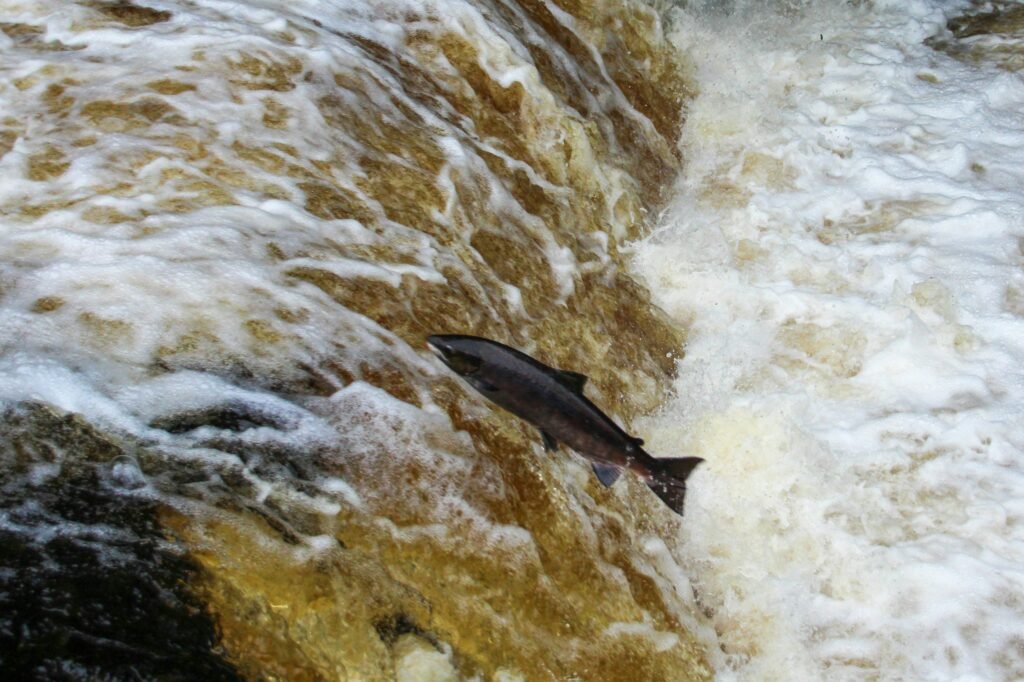
This increased investment underscores the severe long-term decline in wild Atlantic salmon and sea trout numbers across the UK and the wider North Atlantic. The estimated number of salmon returning to Scottish coastal waters has plummeted from approximately 1 million in the 1970s to between 300,000 and 400,000 in recent years. In 2023, reported rod catches of wild Atlantic salmon totalled 32,477, marking the lowest figure since records began in 1952 and representing a 77% decrease compared to the previous five-year average.
The International Union for Conservation of Nature (IUCN) reclassified wild Atlantic salmon in Great Britain from “Least Concern” to “Endangered” on its Red List of Threatened Species on 11 December 2023. This reclassification was prompted by a significant 30-50% decline in British populations since 2006, with a projected decline of 50-80% anticipated between 2010 and 2025. Globally, Atlantic salmon populations moved from “Least Concern” to “Near Threatened,” reflecting a 23% decline since 2006.
A critical indicator of population health, marine survival rates, have fallen dramatically to between one and five per cent, a stark contrast to the estimated 25 per cent observed three decades ago. This reduction is attributed to a complex interplay of environmental factors affecting salmon throughout their freshwater and marine life stages.
Key pressures include habitat degradation and obstructions like dams and weirs, which impede migration to spawning grounds. Climate change is a significant factor, leading to rising river and sea temperatures, and alterations in marine food availability, such as declining zooplankton, which are crucial prey for juvenile salmon. Pollution, including agricultural and sewage runoff, also degrades water quality, impacting salmon at all life stages.
Adding to these challenges, invasive Pacific pink salmon (*Oncorhynchus gorbuscha*), originally introduced to Russian rivers in the 1960s, are increasingly reported in Scottish waters. These non-native species threaten native aquatic biodiversity by competing for food and habitat. Under the Wildlife and Countryside Act 1981, pink salmon are classified as an invasive non-native species in Scotland.
The Scottish Government’s 2022 Wild Salmon Strategy identifies further pressures, including elevated sea lice from salmon farms and genetic introgression from escaped farmed fish, as contributing to the challenges faced by wild populations. Sea lice are naturally occurring parasites, but salmon farms can significantly increase their levels in coastal habitats, potentially increasing risks to wild salmon growth and mortality under certain local conditions. Escaped farmed Atlantic salmon can negatively impact wild populations through direct competition and by disrupting adaptive genetic selection through breeding with wild fish.
The Scottish Environment Protection Agency (SEPA) became the lead regulator for managing interactions between sea lice from fish farms and wild salmon in February 2024, implementing a new sea lice regulatory framework for the west coast and February 2025 for the Northern Isles. However, over 200 appeals have been lodged by salmon farming companies against these new SEPA licence conditions, effectively freezing their implementation for existing farms.
Salmon Farming’s Economic Impact and Regulatory Landscape
Scotland’s salmon farming sector, predominantly located along the west coast, Orkney, and Shetland, is a vital component of the nation’s economy. In 2024, the industry contributed an estimated £953 million in Gross Value Added (GVA) to the Scottish economy, marking a 25% increase from 2021 figures. It supports approximately 10,850 jobs across the country, with 2,460 directly employed in farming, often providing crucial employment opportunities in fragile rural and coastal communities. Scottish salmon maintains its position as the UK’s largest food export, generating international sales exceeding £800 million annually, with a record £844 million in 2024. This positions Scotland as the world’s third-largest producer of Atlantic salmon, after Norway, which produces over 50% of the global supply, and Chile, contributing approximately 28%.
Commercial salmon farming in Scotland originated in 1971. The industry operates under a robust regulatory framework primarily overseen by SEPA, which issues permits and sets conditions to manage environmental impacts, including those related to sea lice, discharges of organic matter, and medicine residues.
Local Conservation Projects Making a Tangible Difference
Among the projects receiving support this year, the upper River Ayr has been allocated £31,358 to restore and protect 400 metres of eroded riverbank. This initiative includes installing over 650 metres of livestock fencing and planting native trees, thereby creating improved habitats for salmon and trout.
Struan Candlish, a fisheries biologist with Ayrshire Rivers Trust, commented, “Ayrshire Rivers Trust is very pleased to be supported by the wild fisheries fund for our project on the upper River Ayr. Through a combination of tree planting, natural riverbank protection and fencing, we aim to reduce sediment entering the river and improve the habitat along its banks, helping boost salmon and trout numbers in the headwaters of the River Ayr.”
On the Isle of Lewis, the Stornoway Angling Association has been awarded £18,600 for critical work on the River Creed. This funding will facilitate the loosening and cleaning of spawning gravels across the catchment and its tributaries, which have suffered from silt run-off and reduced adult spawners.
Richard Davies, Chairman of the Outer Hebrides Fisheries Trust, highlighted an innovative aspect: “The association will also be able to use a new microchip tag reader to deliver crucial insight, by measuring where in the river juvenile salmon are originating and which have the best survival, which will aid in identifying areas for future habitat improvement.”
Galloway’s River Bladnoch tributaries will receive £7,769 to restore a previously straightened section of burn to a more natural course and plant 1,000 broadleaf trees, enhancing critical habitats.
Other significant projects backed by the fund this year include:
- Lochaber Live Gene Bank: £72,800 to continue a long-term programme supporting salmon populations across eight rivers.
- University of Stirling: £30,000 for research at its Machrihanish Environmental Research Laboratory, investigating the potential of rearing wild salmon smolts to adulthood to aid threatened populations.
- River Ruel Gene Bank: £36,657 to continue a live gene bank project in collaboration with Otter Ferry Seafish.
- Lochaber Fisheries Trust: £5,280 for genetic screening of salmon populations in the Rivers Moidart and Finnan.
- Loch Lomond Fisheries Trust: £17,361 for further habitat restoration at Glen Fruin, including efforts to address a section prone to drying out.
Collaborative Efforts Crucial for Future Success
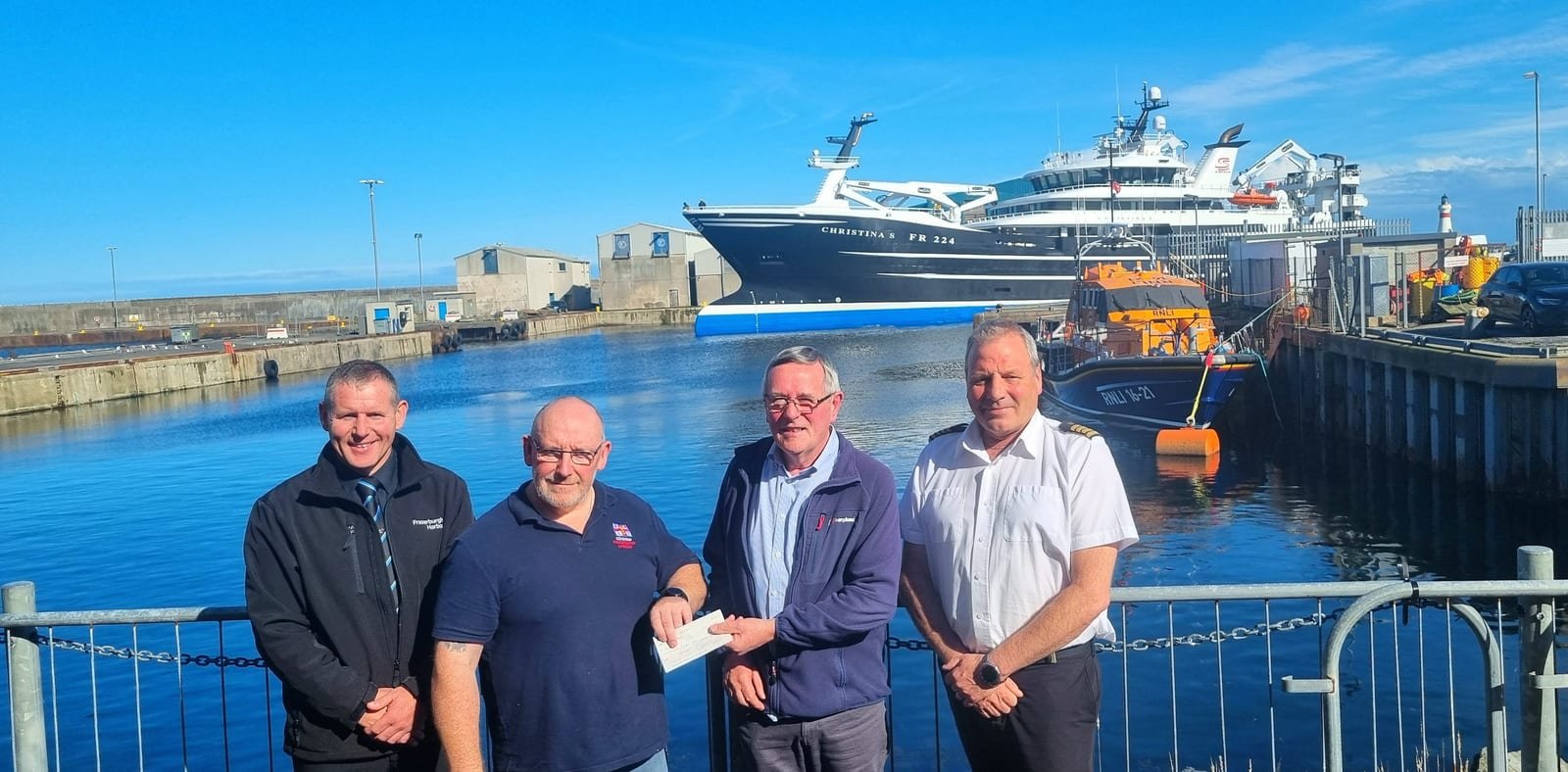
The Wild Fisheries Fund is coordinated by Jon Gibb, a fisheries manager based in Fort William, who has been instrumental in fostering collaboration between the aquaculture sector and wild fisheries and angling groups. Jon Gibb noted, “What stands out about these projects is the local knowledge behind them. They are shaped by people who understand their rivers and know where investment can have the greatest impact.” He also emphasised the importance of continuity: “Several build on work we have supported in previous years, allowing successful projects to develop rather than stopping after one round of funding. That continuity is hugely important when you are trying to deliver lasting improvements to rivers and wild fish populations.”
You Might Also Like:

Tavish Scott, Chief Executive of Salmon Scotland, affirmed the industry’s commitment: “Wild salmon face serious pressures, and our members are committed to playing their part in protecting this iconic species. Farmed and wild salmon are both part of Scotland’s story, and we want to use our resources and expertise to help wild populations thrive. By continuing this investment, we can help local organisations turn good ideas into practical action that makes a lasting difference for wild salmon and sea trout.”
Robert Younger, manager of the River Eachaig Fishery Syndicate, underscored the environmental challenges: “Fisheries managers are facing growing challenges from climate change, with heavier rainfall and more frequent flooding eroding riverbanks and damaging important habitats. The wild fisheries fund is helping us continue vital work on the River Eachaig. The funding will support natural measures to strengthen a further stretch of riverbank, repair previous work, install livestock fencing and plant 1,000 trees to protect and improve the riverside environment.”
The Salmon Scotland Wild Fisheries Fund is scheduled to re-open for new applications in Spring 2027.