
£8.6 Million Investment Increases Wastewater Capacity and Supports Hospital Development
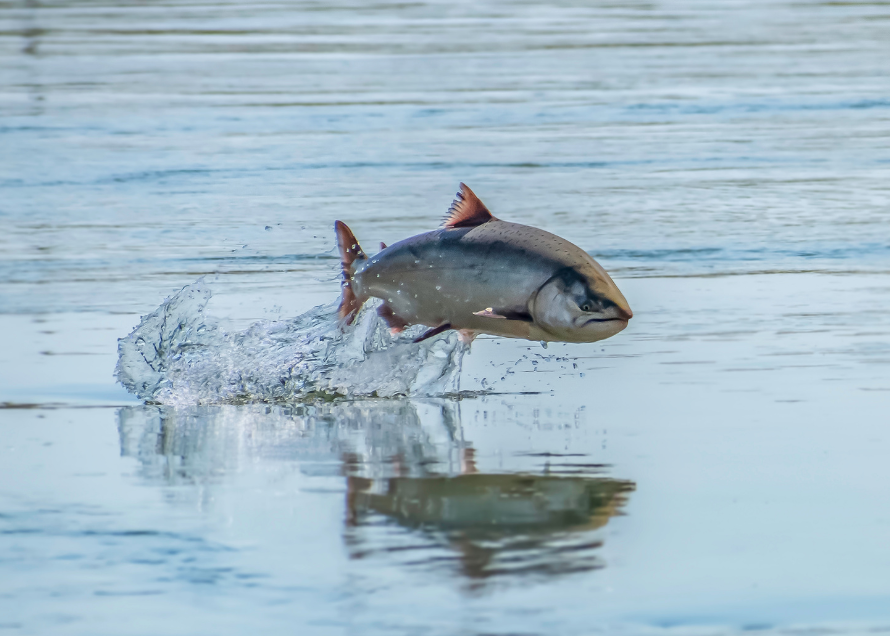
A fish rescue operation was conducted in Airdrie to protect local wildlife as work began on an £8.6 million sewer upgrade project. A total of 58 fish, including brown trout, minnow, stone loach, and three spine stickleback, were safely rescued and relocated from a watercourse near Craigens Road.
Specialists from the Clyde River Foundation carried out the rescue using electrofishing to systematically collect the fish. These were then recorded and safely moved downstream before the construction work commenced.
The project, delivered by Scottish Water’s commercial subsidiary Scottish Water Horizons and contractor Mackenzie Construction, aims to increase wastewater network capacity in the area and reduce the risk of sewer flooding. It will also support the future development of the new University Hospital Monklands at Wester Moffat.
More than 650 metres of new sewer storage pipework and associated manholes will be installed. Work is scheduled at six locations across Airdrie, Coatbridge, Bargeddie, and Uddingston.
You Might Also Like:

John Kerr, Project Manager at Scottish Water Horizons, said: “Protecting the environment is a key consideration throughout the delivery of this project and the fish rescue was a great example of that in action.” He added: “This investment will deliver long-term benefits for local communities by increasing wastewater network capacity, reducing the risk of sewer flooding and supporting the development of important regional infrastructure, including the future University Hospital Monklands.”
Biologist Toby Miller, from the Clyde River Foundation, explained: “We use a technique called electrofishing to carry out fish rescues where companies need to create a dry working area to carry out work near rivers and streams.” He further stated: “It’s a systematic removal method that’s used all across the UK to survey and rescue fish populations from rivers, and it’s absolutely harmless.”
Beyond the fish rescue, the project team has also undertaken environmental surveys and mitigation measures across the wider programme to minimise impacts on local habitats during construction activities.