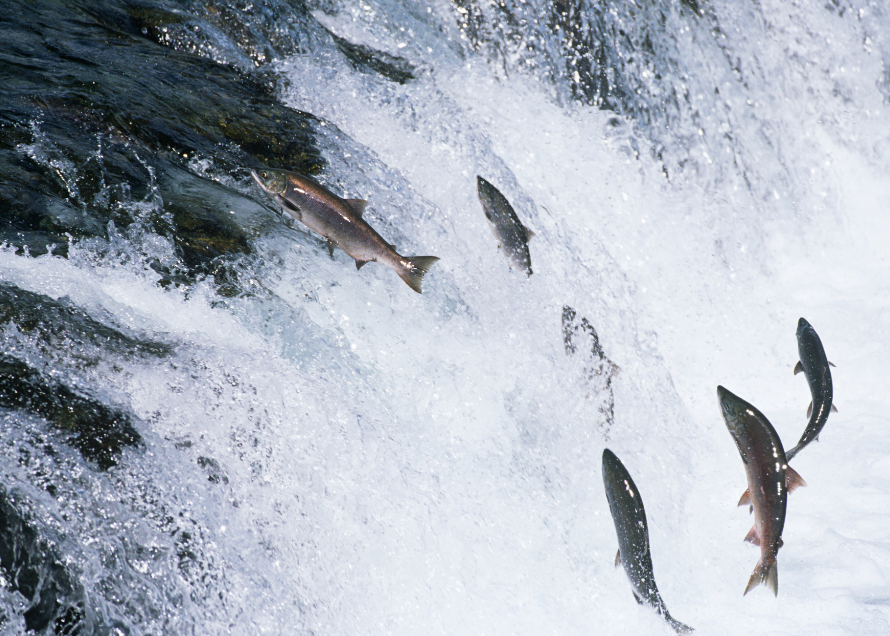
The Soil Association has announced that it will stop setting standards for organic farmed salmon following a review of environmental and animal welfare outcomes within the sector.
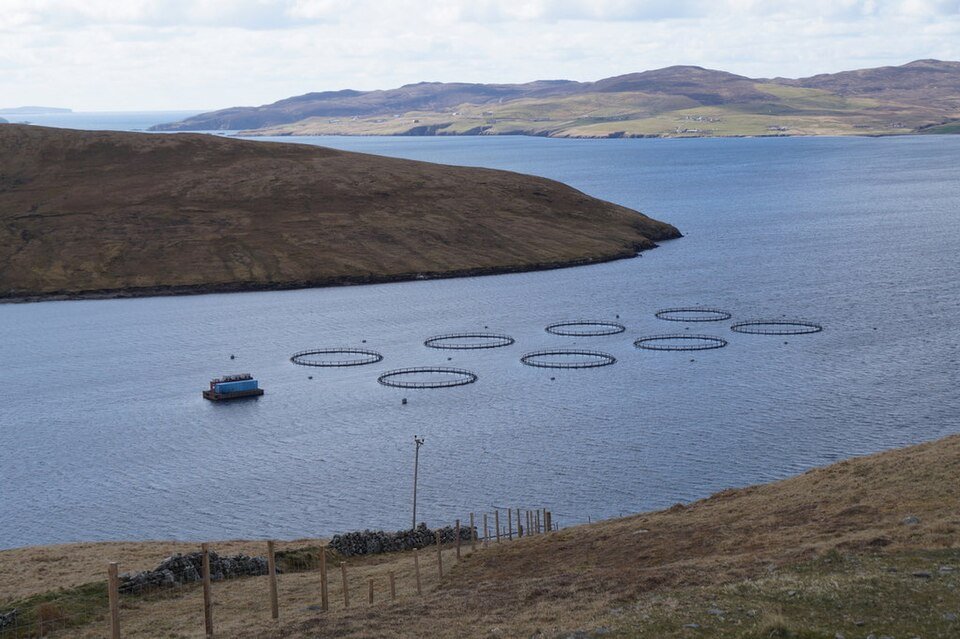
The organisation said its assessment found insufficient evidence that its standards were delivering acceptable outcomes for farmed salmon, as well as limited confidence that the challenges could be resolved quickly enough.
Its review, conducted over several years with input from producers, scientists, aquaculture specialists, policymakers, animal welfare organisations and campaigners, examined fish mortality, veterinary treatments, feed sustainability and the protection of marine environments.
The Soil Association said its standards had helped introduce improvements across the wider salmon farming sector during the past two decades, including pre-slaughter stunning and methods of cleaning nets without chemical anti-foulants.
However, it identified continuing concerns about high mortality levels at organic farms. Rising sea temperatures, disease, parasite outbreaks and blooms of micro-jellyfish were among the factors cited as creating welfare challenges that can be difficult for producers to control.
The review also raised concerns over feed sustainability. Organic standards require salmon to receive a diet considered as natural as possible, but the Soil Association said this could lead to an excessive reliance on wild fish stocks.
Attempts to prioritise marine by-products and trimmings were affected by traceability challenges, according to the organisation.
The Soil Association said: “The review established that there was a lack of evidence that Soil Association standards were delivering good enough outcomes for organic farmed salmon, and a lack of confidence this could change fast enough.”
It will now work with salmon producers and processors to establish a timetable for withdrawing its standards. Existing contracts will continue to be honoured during the transition, while organic requirements set out in legislation will remain in place.
The Soil Association logo may continue to appear on salmon products for a period to allow businesses to change packaging and manage products with longer shelf lives.
Further information about the review and the withdrawal process is available on the Soil Association website.
WildFish, which has campaigned against organic certification for open-net salmon farming, welcomed the decision but said questions remain about previous certification and the disclosure of inspection reports concerning Scottish farms.
WildFish requested inspection reports relating to Scottish organic salmon farms in 2024. A legal dispute subsequently developed over whether Soil Association Certification was required to release the documents under environmental information legislation.
Nick Measham, chief executive of WildFish, said: “It is welcome news that the Soil Association has finally seen sense and decided to stop providing an organic fig leaf for the industrial salmon farming industry.
“In 2024, Soil Association Certification refused our request to disclose inspection reports for Scottish salmon farms, documents that could lift the lid on the shocking environmental and animal welfare problems routinely unfolding at supposedly ‘organic’ salmon farms.
You Might Also Like:
 On-the-go culture driving Scotland’s out-of-home eating habits, warns Food Standards Scotland
 Sodexo launches Barista Collective to raise standards and strengthen hospitality careers
 Scottish-founded hospitality group meets tougher B Corp standards
 The British Carrot Growers Association Announce 2026 Demonstration Day in York
“The Information Commissioner subsequently upheld our appeal, but the Soil Association is now challenging that decision in an attempt to prevent these documents from being disclosed.
“While we welcome today’s announcement, the Soil Association must still be held accountable for its role in certifying these operations. We will continue pressing for the release of these inspection reports. The public deserves to know what was happening behind the organic label.”
The Soil Association said withdrawing its standards would not mean ending its involvement in aquaculture. It plans to use the findings from the review to inform future policy work and international discussions about organic aquaculture standards.