Menus featuring Buri and Madai run at UK restaurants until 31 December 2026
The Japan Farmed Fish Export Association (JFFEA) launched its first UK restaurant campaign at Fishmongers’ Hall on 16 November. Michelin-starred kitchens across the country are creating original dishes featuring Buri (Yellowtail) and Madai (Red Sea Bream). The menus are available for a limited time, from 17 November to 31 December 2026.
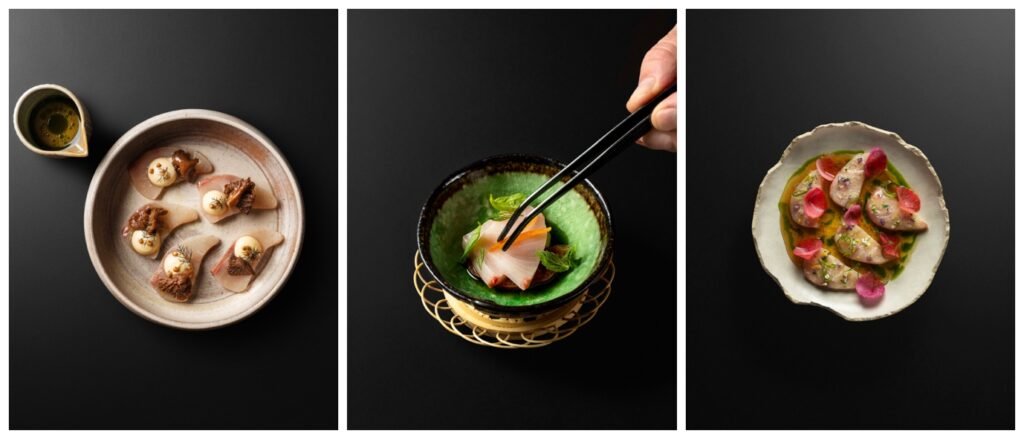
Rather than recreating traditional Japanese recipes, chefs have been invited to explore the fish through their own cooking styles. This has resulted in a collection of dishes spanning Japanese, West African and contemporary European influences.
At Pied à Terre, the fish features in a quiche Lorraine-inspired dish using Madai, while HIDE is serving raw Buri with Irish sheep’s milk labneh and brown butter yuzu dashi dressing. At Chishuru, Omar Davis is serving cured Buri in roff on sinasir, while MUSE by Tom Aikens is pairing cured Buri with smoked vinegar, beetroot, green apple, puffed buckwheat and caviar.
You Might Also Like:



At Cornus, Gary Foulkes is roasting Madai and serving it with sea urchin butter and confit Cedrat lemon. Galvin La Chapelle is taking a lighter approach with cured Buri, bergamot dressing and chanterelles. Beyond London, The Elephant in Torquay is serving Buri with cranberry ponzu, red cabbage slaw, citrus and crispy sushi rice, while The Cross in Kenilworth is preparing citrus-cured Buri with pickled cucumber, radish salad, avocado crème and a white soy, ginger and lime dressing.
Buri (Yellowtail) is prized for its rich flavour, firm texture and natural fat content, making it suited to curing, ageing, grilling and roasting as well as raw preparations. Madai (Red Sea Bream), known in Japan as the King of Fish, is celebrated for its delicate sweetness, clean flavour and firm white flesh, and is traditionally associated with weddings, New Year and other celebrations.
Both fish are harvested using ikejime and shinkeinuki, traditional Japanese handling techniques designed to preserve texture, flavour and eating quality. The campaign gives British chefs the opportunity to explore these ingredients beyond their familiar preparations, while introducing diners to the quality and versatility of Japanese farmed seafood.