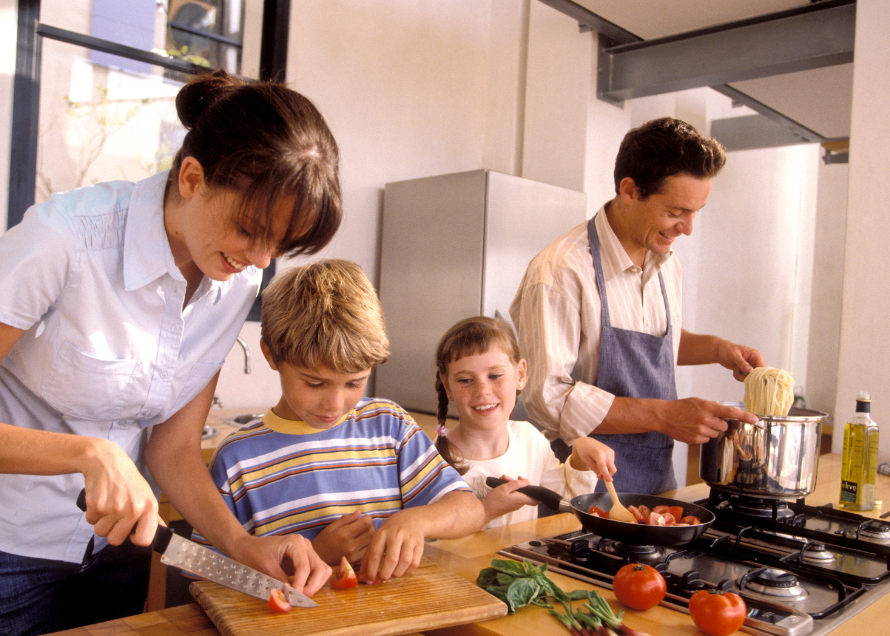
Scotland is striving to cut food waste by a third by 2025, and home cooks can play a vital role, especially when harnessing the beauty of seasonal gluts and traditional preservation methods. Here’s guidance on minimising waste in the Scottish kitchen, making the most of every ingredient, and embracing recipes that turn leftovers and surplus produce into delicious meals.
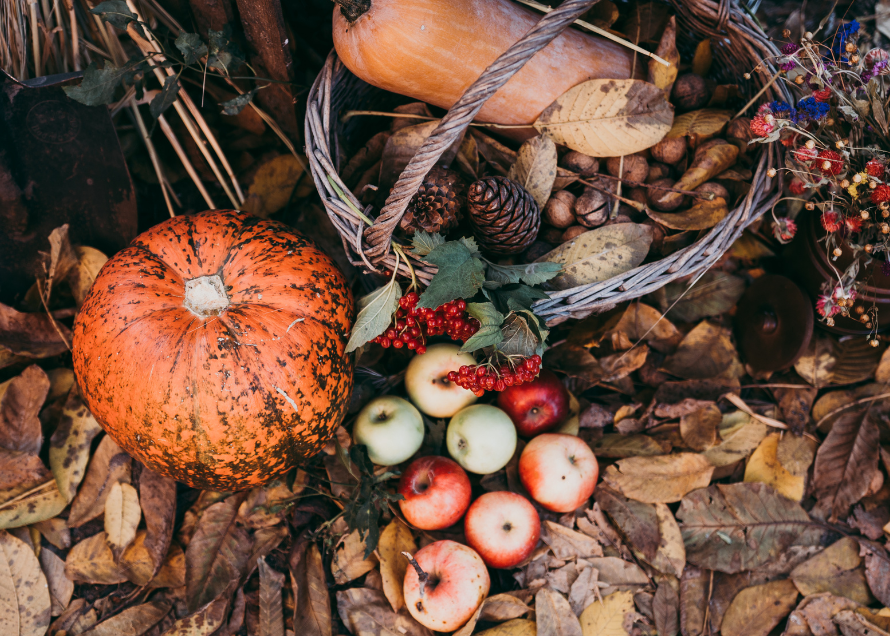
Reducing food waste starts with a smart approach to seasonal shopping and a willingness to embrace creative cooking. Scots are increasingly looking to local harvests, utilising everything from summer plums and autumn mushrooms to winter potatoes and brassicas.
Practical Advice for Home Cooks
- Plan your shopping and meals around what’s seasonal and local. This maximises flavour and reduces the chance of surplus food going uneaten.
- Preserve gluts through freezing, drying, or jam-making. Freeze blanched green vegetables, dry mushrooms and fruit in a dehydrator or low oven, and try jam or jelly with excess berries or apples.
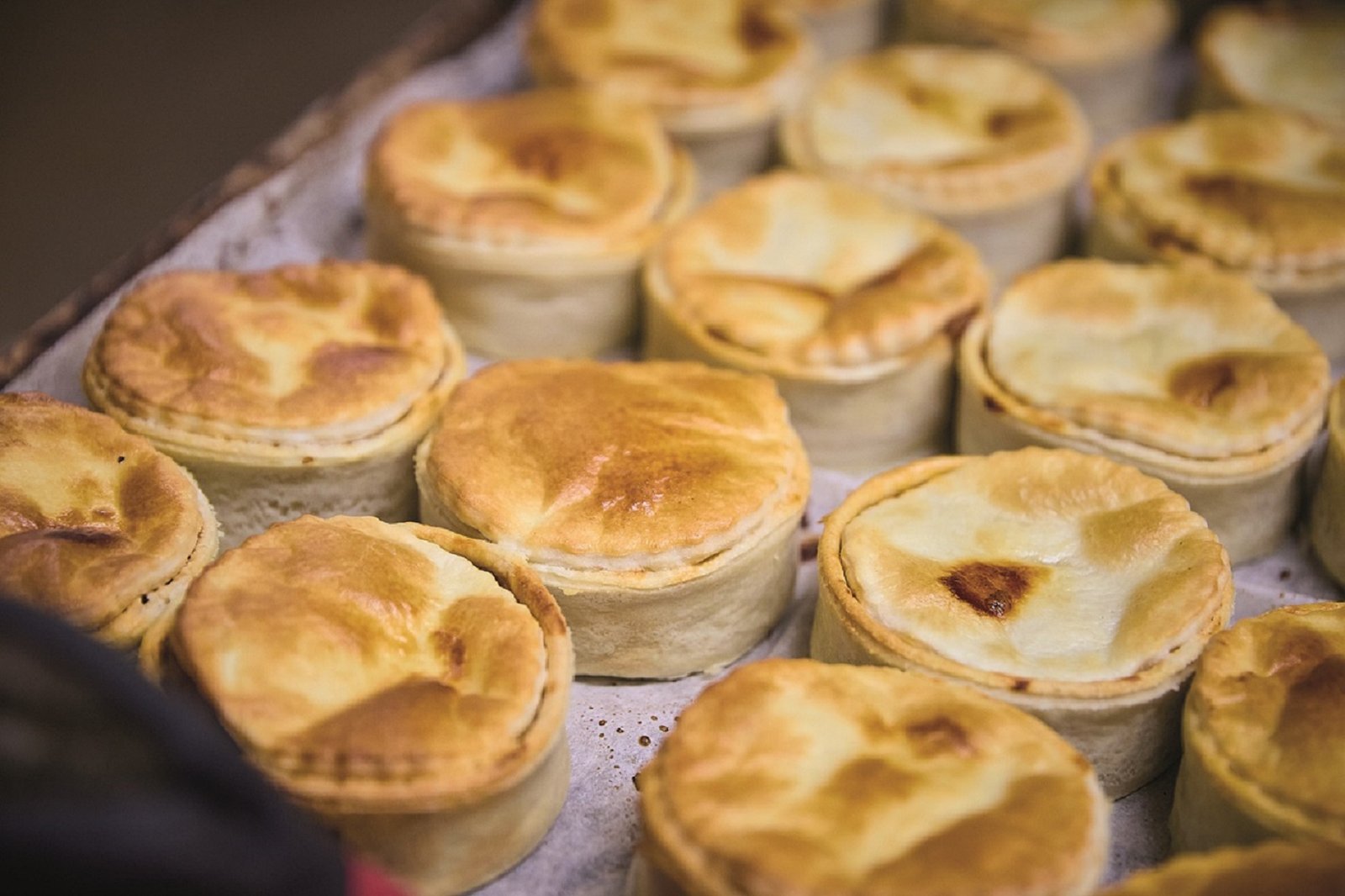
- Make use of leftovers. Create broths and soups from root vegetable peelings, add stale bread to stuffing, or transform roast meats into pies and salads.
- Store produce properly. Potatoes and onions last longer in a cool, dark place; hardy maincrop varieties of veg are perfect for longer storage. Avoid plastic bags for potatoes – paper sacks work best.
Recipes Using Gluts and Leftovers
- Plum Cake: A seasonal sponge using surplus plums or other stone fruit. Mix a basic sponge batter, place halved fruit on top, and bake for a simple pudding that turns a glut into a treat.
- Courgette Tarte Tatin: Layer sliced courgettes and tomatoes atop a caramelised onion and thyme mixture, topped with pastry and baked until golden – a superb dish for garden gluts.
- Cauliflower Pakora or Fritters: If faced with a cauliflower glut, batter and fry florets with spices for quick savoury snacks or sides.
- Vegetable broth: Simmer root peelings, leek tops, and herb stalks for a rich, waste-busting soup base. Add leftover cooked vegetables and grains.
Preserving Scottish Produce
You Might Also Like:

- Jam and Jelly: Make apple or plum jam, redcurrant jelly, or marmalade with autumn fruit. Repurposed jars work well and preserve the best of the season for months.
- Drying: Use dehydrators or low ovens to dry sliced apples, mushrooms, and courgettes for snacks and winter stews.
- Pickling: Save surplus beetroot, gherkins, or carrots by pickling with vinegar, sugar, and spices—great for the Scottish cheese board.
The sustainable Scottish kitchen celebrates resourcefulness, traditional preservation, and a zero-waste ethos—all while creating delicious, hearty food from leftovers and gluts. Every small effort helps Scotland approach its food waste reduction goal while keeping kitchens well stocked with comforting, flavoursome dishes.
For further advice, recipe ideas, and seasonal preservation tips, consult Zero Waste Scotland and Scotland Grows Magazine.