Scotland’s self-catering industry has called on the Scottish Government to urgently review the cumulative damage caused by years of poorly coordinated regulation, following publication of an independent report by the Moffat Centre for Travel and Tourism Business Development at Glasgow Caledonian University.
Commissioned by the Association of Scottish Self-Caterers (ASSC) and prepared by one of the UK’s leading tourism research centres, Scottish self-catering industry: Regulatory impact and strategic outlook for policymakers, concludes that the sector is experiencing one of the most significant periods of regulatory intervention in the history of Scotland’s visitor economy – and that the evidence underpinning that intervention is simply not holding up.
The report documents the combined impact of short-term let licensing, planning restrictions, a major Non-Domestic Rates revaluation, upcoming visitor levies, and wider compliance requirements. Troublingly, it found that despite years of intensifying regulation, there is no clear evidence that restrictions on self-catering are delivering increases in housing supply.
The study finds that properties exiting the sector are more likely to revert to second home use than to enter the rental market, particularly in rural and island communities. Furthermore, while self-catering accounts for less than 1% of Scotland’s housing stock, vacant dwellings account for 3.6%. At the same time, with empty homes contributing nothing to the economy, self-catering generates an annual £1bn boost, accounting for 31% of all overnight stays, rising to 43% for domestic visitors, and supports more than 29,000 jobs across the country.
Rather than dismantling the existing system, the Moffat Centre presents a sensible and pragmatic six-point framework for reform. This includes establishing legal clarity between licensing and planning regimes, which it identifies as the source of significant confusion and retrospective risk for operators. The authors also suggest the need for greater fiscal coherence as the 2026 rates revaluation, which has produced average rateable value increases of 88%, with some rural businesses facing rises of up to 400%, takes effect alongside new visitor levies. It concludes that the priority should now be “refinement rather than expansion” of Scotland’s regulatory framework for short-term lets.
The ASSC said the findings creates an opportunity for the new Scottish Government to reset relations with Scotland’s tourism and hospitality sector and move towards a more balanced and evidence-led regulatory approach. The leading trade body pointed to commitments made by former Cabinet Secretary Shona Robison in October 2021 to monitor and review the health of the sector as regulations were implemented, a review which must now happen.
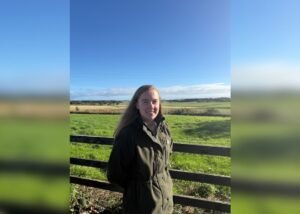
Fiona Campbell MBE, Chief Executive of the Association of Scotland’s Self-Caterers, said:
You Might Also Like:
No related posts.
“Scotland’s self-catering sector has spent years being caught in the crossfire of housing debates despite representing less than 1% of the country’s housing stock. This independent report demonstrates that the cumulative impact of these policies is creating serious economic harm, huge uncertainty for small businesses, and significant pressure on tourism capacity – all without clear evidence that it is materially improving housing availability.
The sector has been continually hammered by overlapping red tape, rising costs and policy inconsistency, yet these are overwhelmingly small businesses rooted in their local communities. Restricting tourism accommodation was never going to solve Scotland’s housing challenges and this scapegoating only raised false hopes. Self-catering is where people want to stay as it offers the most authentic and localised experience of Scotland, but we risk damaging one of our most valuable tourism assets through regulatory overload.
To be clear, the ASSC is not arguing against regulation. What we are calling for is smarter policymaking that properly understands cumulative impact, recognises the diversity of Scotland’s communities and economies, and supports sustainable tourism alongside sustainable communities. The new Parliament has a real opportunity to get the balance right. Now is the time for a reset.”