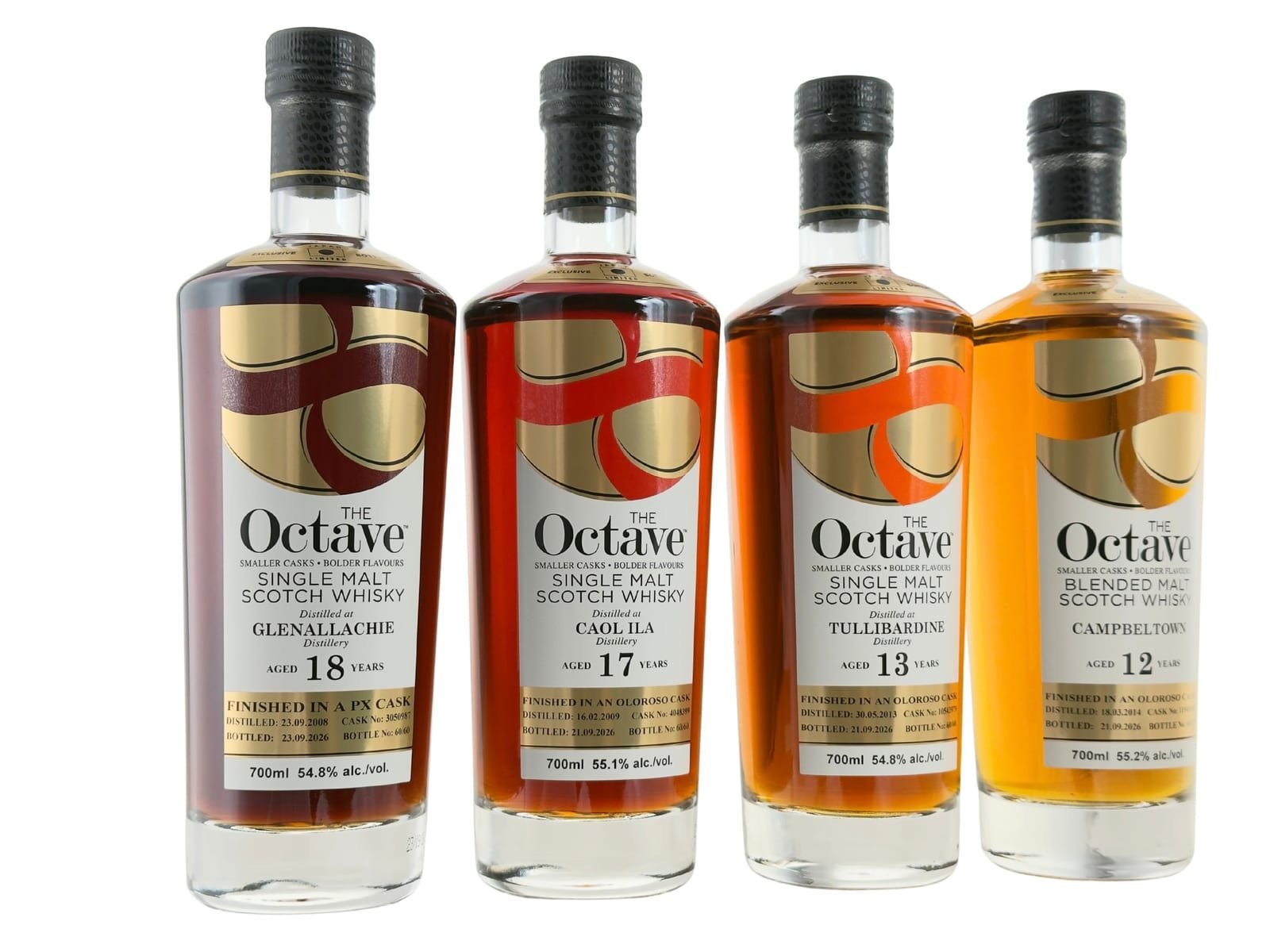

The India–UK trade deal’s opening up of the Indian market is being hailed as one of the most significant new export opportunities for Scotch whisky and wider UK spirits in years, with industry leaders already positioning Scotland to capitalise on reduced barriers and faster growth in premium drinks.committees.
Commenting on the agreement, Nodjame Fouad, CEO of the Aged Spirits and Champagne division at Pernod Ricard, casts it as a major win for the UK’s world‑leading spirits exporters and for Scotch in particular.
“The opening up of the Indian market represents a significant opportunity for the UK as the world’s leading exporter of spirits, and a welcome boost for the Scotch whisky industry,” she says, underlining both commercial potential and the strategic importance of India.
Fouad argues the deal “supports Scotland’s export ambitions, enhancing competitiveness in a key international market and reinforcing the contribution our industry makes to jobs, investment and economic growth across Scotland and the wider UK.”
She also credits policymakers on both sides, adding: “We are grateful to the UK and Indian Governments for their efforts in delivering this agreement and we will work hard to help realise its full potential.”
India has emerged as one of the most dynamic spirits markets globally, with whisky consumption already world‑leading and premiumisation reshaping drinkers’ habits.
For groups like Pernod Ricard and its Irish Distillers arm, India has rapidly climbed the rankings, with brands such as Jameson quadrupling sales in two years and the country becoming one of their largest markets.
You Might Also Like:
At the same time, Scotch producers have long viewed India’s steep import tariffs and complex local regulations as a brake on growth, inflating shelf prices and limiting access for many consumers.
Industry submissions to Parliament show that reducing tariffs and easing regulatory barriers could quickly expand Scotch’s share of the market, aligning with Scotland’s export‑led growth strategies and ongoing investment across its distilling regions.