
A new cookery school for children is set to launch in Edinburgh’s Morningside this month, offering year-round cooking and baking workshops for young people aged two to 17.
Cook Stars will begin its Edinburgh programme at neighbourhood bar and restaurant McLarens on the Corner on Sunday 31 August, with children invited to make their own chocolate and vanilla swirl marble cake at the opening workshop.
Running from 11.30am to 1.30pm, the first session will see young chefs don aprons, prepare a dish from scratch and take their creation home, alongside a recipe card to recreate it with their families.
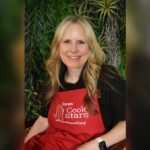
Led by Dawn Robertson, Cook Stars Edinburgh will deliver hands-on sessions in small groups, designed to help children build confidence in the kitchen, learn practical skills and explore different ingredients and flavours.
The programme will include one-off themed workshops throughout the year, with Halloween, Christmas, Valentine’s Day, Mother’s Day and Easter sessions already planned.
Dawn Robertson said: “Our new classes will give children across Edinburgh the chance to develop confidence in the kitchen, learn practical life skills and discover that cooking can be fun. We’ll also learn about different ingredients and try new foods.
“Cook Stars classes will be accessible to everyone and offer fantastic value. As well as providing everything you’ll need to cook, we’ll also treat children to a craft activity and a snack to keep them entertained during cooking time.”
Children will be able to try a range of preparation techniques, including weighing, measuring, shape cutting, decorating and rolling. The wider programme will promote a balanced approach to food, combining home-cooked recipes using simple ingredients with the occasional sweet treat.
Robertson added: “We believe the secret to pleasurable learning is through ‘play’, so our classes are friendly, relaxed and fun. We keep our class sizes small to tailor our support and encourage individuals whilst we cook up a wide range of delicious dishes.
“One of the best things about Cook Stars is that children can take their new skills home and become more interested in helping with family meals. When children help prepare their own food, they’re often much more willing to try and enjoy new ingredients.”
Every session includes ingredients, equipment, aprons, packaging, a craft activity, snack and printed recipe card.
Hannah McConnachie of McLarens on the Corner said the venue was looking forward to welcoming the new classes.
She said: “Here at McLarens, our family-friendly neighbourhood bar and restaurant has been a key part of local community life in Morningside since 2020.
“We’re really excited to be working with Cook Stars to provide the perfect venue for kids across Edinburgh to cook up a storm, make new friends and have lots of fun.”
Seasonal workshops will cater for up to 12 children and cost £25 per child, with under-fives required to attend with an adult.
You Might Also Like:

Weekly Cook Stars classes for younger children and toddlers aged two to five will run from 1 September to 8 December 2026. These sessions will accommodate up to 14 children, with an accompanying adult required, and cost £15 per child. There will be no classes during the October half-term break, from 13 to 20 October.
Alongside McLarens on the Corner, Cook Stars will also run classes at Christ Church in Morningside and St Ninian’s Church in Corstorphine. Further venues across west Edinburgh are planned, including workshops for older children aged 11 to 17.
McLarens on the Corner is located at 8 Morningside Road, on the corner of Bruntsfield and Morningside. The venue is part of Edinburgh-based hospitality business Signature Group.