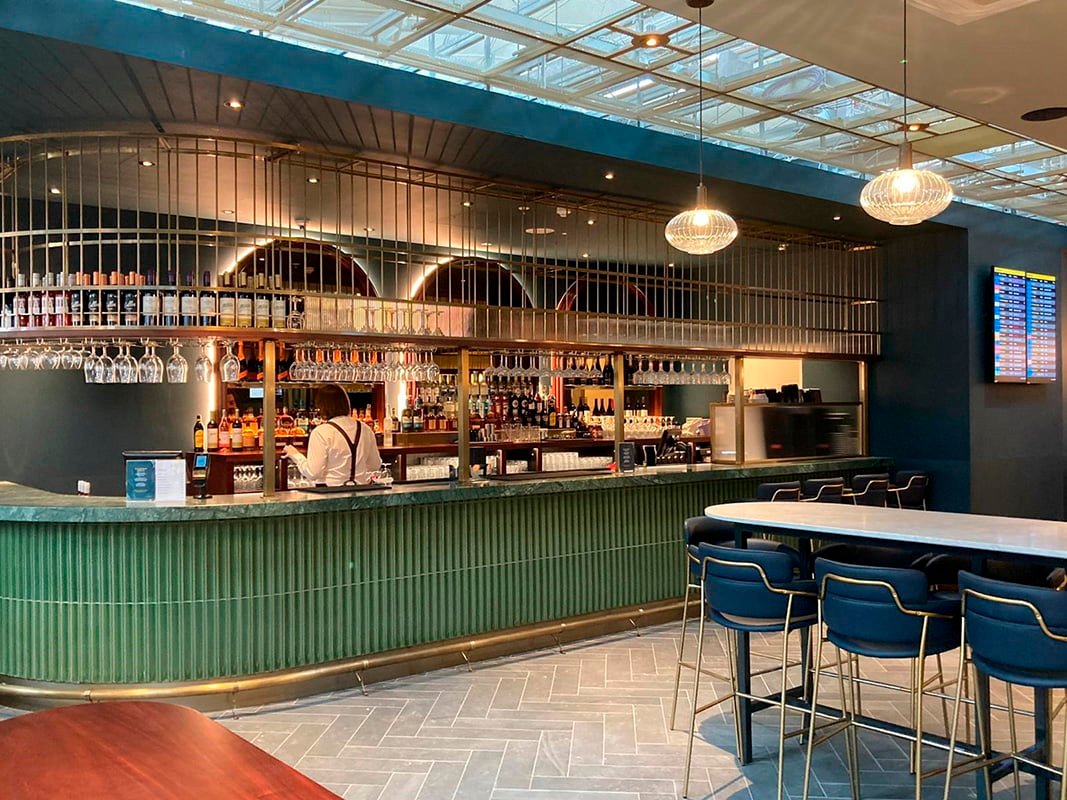

Energy demands in commercial kitchens are exceptionally high. Large fridges, blast chillers, ovens, fans, dishwashers, and a number of other appliances, many of which are running around the clock, create a substantial demand for electricity.
With energy costs continuously on the rise, it’s becoming incredibly difficult for commercial kitchens to keep up with these energy-related outgoings and manage them effectively to maintain profitability.
However, solar panels are helping businesses in the food industry keep costs down by offsetting their daytime electricity consumption and reducing their reliance on the national grid. Solar for cold storage, for example, is making a huge difference for businesses with high refrigeration costs.
So, with that in mind, let’s take a closer look at how solar panels are helping commercial kitchens manage rising energy costs.
Reduces Energy Consumption From the Grid During Peak Times
Establishments like cafes, bakeries, and restaurants use a lot of energy throughout the day. Cooking appliances, like fryers, are used and stay idle throughout the day, while powerful ventilation systems run constantly to reduce the build up of smoke, dishwashers require a steady flow of hot water, and bright lighting is required for food preparation.
All of this happens during daylight hours, when solar is at its most effective. This means commercial kitchens can use solar energy instead of purchasing that same electricity from the grid. Even if solar panel systems only offset a portion of the energy required, it can still make a significant difference to overall running expenses.
Protects Against Energy Price Volatility
Solar panels can also help businesses in the food industry protect themselves against energy price changes and give them more certainty regarding their overhead costs.
You Might Also Like:



With solar panels, you generate your own on site energy and purchase less from the grid. If energy prices soar, as they often do, but you’re not relying solely on the grid as your energy source, you can remain resilient against the volatility.
Use Battery Storage To Further Increase the Value of Solar Generation
Sometimes, a commercial kitchen will produce more solar electricity than it actually needs. Instead of letting this get sent back to the grid, businesses can use battery storage systems to store surplus electricity and use it outside of daylight hours. If a commercial kitchen also has a high demand for energy during the evening, this can be incredibly beneficial.
Solar Power is Helping Commercial Kitchens Stay Ahead
By installing solar panels, commercial kitchens can reduce energy consumption from the grid and protect against volatile prices, allowing them to better manage rising energy costs and stay ahead in a highly competitive industry.