By Lizzie Birnie
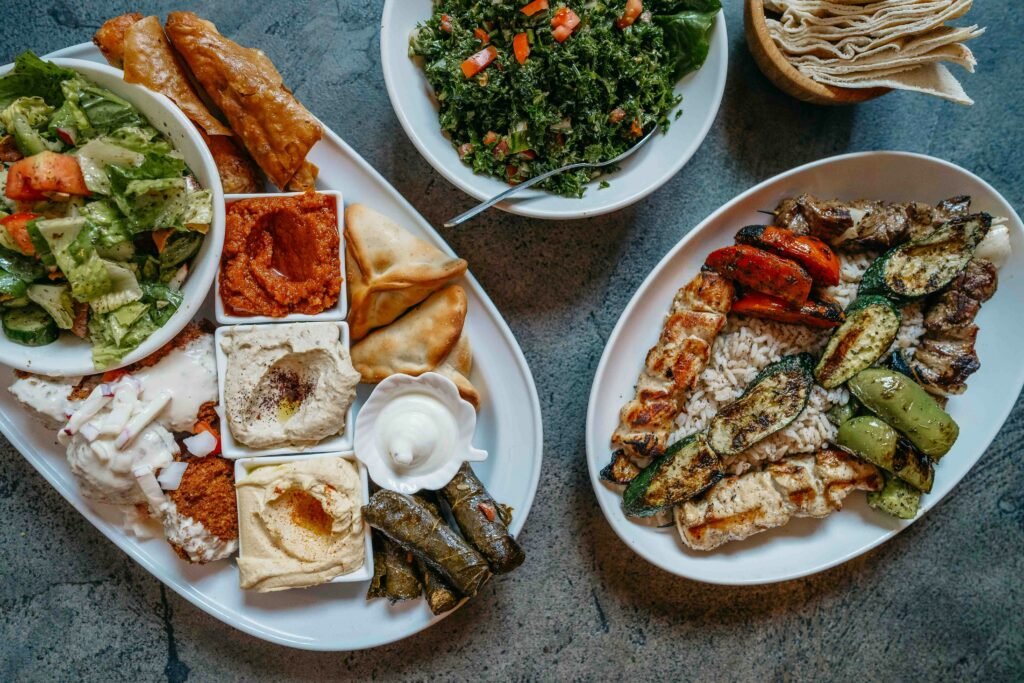
Menorca has a rich culinary heritage shaped by centuries of farming, fishing and Mediterranean influences. The island’s traditional cooking draws heavily on local produce, with farmhouse recipes, fresh seafood and handmade specialities remaining central to its food culture. Its rural landscape and coastal communities have helped preserve recipes that reflect the island’s history and longstanding agricultural traditions.
Many of Menorca’s best-known dishes rely on simple ingredients prepared using techniques passed down through generations. Locally produced cheese, seasonal vegetables, fresh fish and traditional meat dishes all have an important place in the island’s cuisine. Exploring how these specialities are made and the traditions behind them offers a closer look at the flavours and culinary practices that define Menorcan cooking.
Caldereta de Langosta: Fornells’ Clay-Pot Lobster Stew
The fishing village of Fornells on Menorca’s northern coast is closely associated with caldereta de langosta, a traditional lobster stew made with locally caught spiny lobster. Originally a simple fishermen’s dish prepared using the day’s catch, caldereta gradually developed into one of the island’s most celebrated specialities. The lobster is traditionally caught in Menorcan waters during the permitted fishing season, which runs from April to August. Its sweet, delicate meat forms the centrepiece of a rich, aromatic broth served in an earthenware pot.
Preparation begins with a sofrito of finely chopped onions, ripe tomatoes, peppers and garlic gently cooked in olive oil. Pieces of lobster are added along with their natural juices, allowing the seafood’s flavour to develop as the stew simmers. Some recipes include a picada, a mixture of toasted almonds, garlic, parsley and fried bread, which adds depth and helps thicken the broth. The finished stew is traditionally left to rest before serving, giving the ingredients time to develop a richer flavour. Menorca’s food culture places plenty of emphasis on sharing meals with family and friends, and those planning a group stay can explore options for hosting dinners at villas in Menorca while enjoying the island’s local cuisine.
Caldereta is typically served with thin slices of toasted bread, which absorb the fragrant broth without overpowering the lobster. The dish remains an important part of Menorca’s coastal food culture, particularly in Fornells, where generations of cooks have developed their own variations.
Distilling Mahón Gin in Copper Stills Over a Wood Fire
Menorca’s gin-making tradition dates back to the eighteenth century, when British rule introduced a taste for gin to the island. Local distillers developed their own version of the spirit, which became closely associated with the port town of Mahón. Unlike many modern gins made with neutral grain spirit, Gin de Mahón uses agricultural alcohol containing a proportion of wine-derived spirit, giving it a connection to traditional Mediterranean distilling methods.
Production begins by soaking dried juniper berries in alcohol and water to release their aromatic oils. The mixture is then distilled in copper pot stills heated directly over a wood fire, following a method protected under Gin de Mahón’s geographical indication. As the liquid heats, alcohol vapours rise through the still before cooling and condensing into a clear spirit. The distiller carefully selects the central portion of the distillation, where the desired flavours and aromas are concentrated.
The finished gin has a pronounced juniper character, with fresh herbal notes and a dry finish. No additional flavourings or extracts are permitted under its protected production standards, allowing the natural aroma of juniper to remain prominent. Gin de Mahón is traditionally enjoyed on its own or mixed with lemonade to make pomada, a popular Menorcan drink associated with local celebrations and summer festivities.
Mahón-Menorca Cheese, Made Only With Milk From Menorca’s Cows
Mahón-Menorca cheese is one of the island’s best-known dairy specialities, recognised for its square shape, rounded edges and distinctive flavour. Protected by a Designation of Origin (PDO), it is produced using milk sourced from Menorcan farms, where cattle graze on pastures divided by traditional dry-stone walls. Both raw and pasteurised milk are used, with farmhouse producers following artisanal methods that have been passed down through generations.
In traditional production, fresh milk is coagulated with rennet before the curd is gathered into a cotton cloth known as a fogasser. The cheesemaker presses and ties the cloth to remove excess whey, shaping the cheese into a square block with gently rounded corners. After further pressing, the cheese is soaked in brine and transferred to well-ventilated rooms for maturation. During ageing, the rind is regularly turned and may be rubbed with olive oil or a mixture of olive oil and paprika, developing its characteristic yellow-orange colour.
The flavour and texture change considerably with age. Young Mahón-Menorca cheese is soft and mild, with delicate buttery notes and a slight acidity. Semi-cured varieties develop a firmer texture and fuller flavour, while mature cheeses become harder, more savoury and occasionally crumbly. The ageing process plays an important role in developing these characteristics, giving Menorca’s traditional cheese a range of flavours suited to different culinary uses.
Oliaigua, the Tomato Soup Served With Melon and Day-Old Bread
Oliaigua is a traditional Menorcan vegetable soup with roots in the island’s farming communities, where it was once a simple breakfast for agricultural workers. Its name comes from the Catalan words oli (oil) and aigua (water), reflecting the basic ingredients used in its earliest versions. Over time, tomatoes, onions, green peppers and garlic became essential to the recipe, creating a light, flavourful dish that remains closely associated with Menorca’s rural cooking traditions.
Preparation begins by gently cooking chopped onions, peppers and garlic in olive oil until softened. Ripe tomatoes are then added and allowed to break down before water is poured into the pot. The mixture is heated slowly without bringing it to a full boil, preserving the delicate flavours of the vegetables. Unlike thicker tomato soups, oliaigua has a relatively light broth, allowing the sweetness of the tomatoes and the richness of the olive oil to come through.
The soup is traditionally served with slices of day-old bread, which soften as they absorb the broth. During summer, it is often enjoyed cold alongside fresh figs or melon, providing a pleasant contrast between the savoury vegetables and sweet seasonal fruit. Warmer versions are popular during cooler months, sometimes accompanied by potatoes or eggs. This flexibility reflects the dish’s practical origins, when farm households prepared meals using whatever fresh ingredients were available.
Mahonesa, Mayonnaise Made With Only Egg and Olive Oil
Mahonesa is a traditional egg-and-oil sauce closely associated with Menorca’s port town of Mahón. One popular theory traces the origins of mayonnaise to the island during the eighteenth century, when French forces captured Mahón in 1756. According to the story, the sauce became known as mahonnaise in reference to the town, although its exact origins remain disputed. Whatever its history, the sauce has become an important part of Menorcan cooking, particularly as an accompaniment to seafood and vegetables.
Traditional preparation involves whisking egg yolks with olive oil to create a thick, smooth emulsion. The oil is added gradually while the mixture is beaten continuously, allowing tiny droplets of fat to disperse throughout the egg yolk without separating. A little salt enhances the flavour, while lemon juice or vinegar is commonly added for acidity and balance. Some cooks prepare the sauce by hand using a mortar and pestle, although a whisk or blender can achieve a similar consistency.
You Might Also Like:


The finished mahonesa has a creamy texture and a rich flavour influenced by the quality and character of the olive oil. It is commonly served with fish, shellfish, boiled vegetables and other simple Mediterranean dishes. Although modern variations may use different oils or additional seasonings, the traditional egg-and-olive-oil preparation remains closely associated with the island’s culinary identity.
Which Menorcan dish would you try first?
Menorca’s culinary heritage reflects generations of farming, fishing and traditional food preparation. The five specialities featured here highlight the island’s reliance on fresh local ingredients and time-honoured techniques, with dishes that reflect the influence of its rural communities and coastal traditions.
Understanding how these dishes are prepared offers a deeper appreciation of Menorca’s food culture. The rich seafood flavours of caldereta de langosta, the careful ageing of Mahón-Menorca cheese and the simplicity of oliaigua each reveal something about the island’s culinary history. Together, these specialities show how traditional recipes continue to play an important role in Menorcan life.