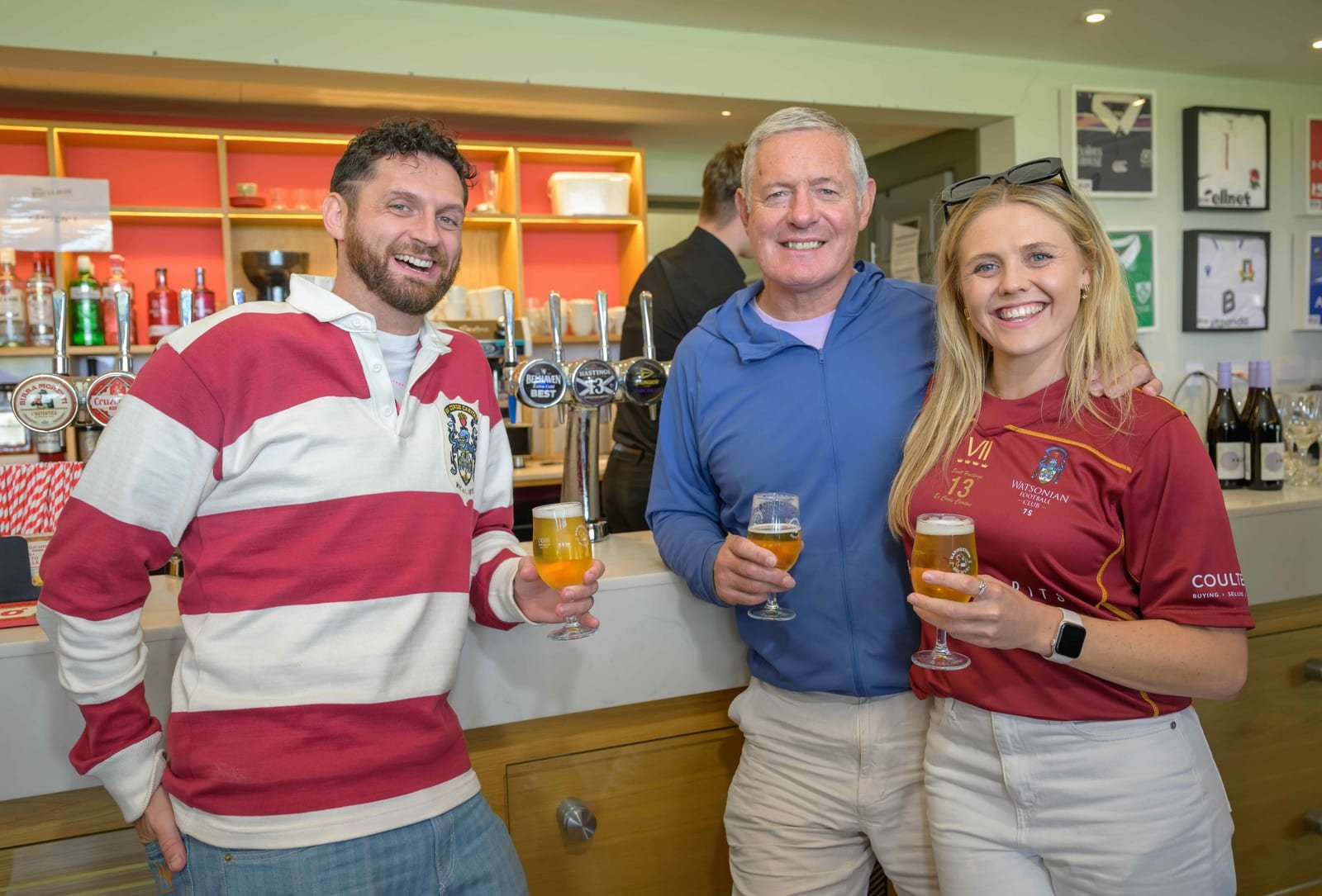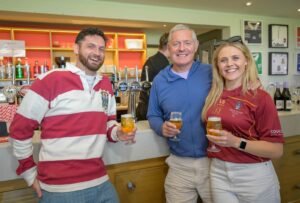

As temperatures rise and pub gardens fill, a leading alcohol reduction expert is warning that what starts as a couple of casual drinks can quickly escalate on long, warm summer days.
From barbeques with friends to after-work drinks in the sunshine, seasonal socialising often brings with it lighter, easy-drinking options such as fruit-flavoured beers and alcopops. But according to Harvey Bhandal, Managing Director of alcohol reduction specialists Sinclair Method UK, these can make it easier to lose track of consumption – turning occasional drinking into a more regular habit.
Bhandal says the combination of extended daylight hours, social pressure and “drinkable” summer beverages can subtly shift alcohol from a social choice to a routine behaviour.
Expert advice for a social, sober summer
To help people stay in control while still enjoying social occasions, Bhandal has outlined five practical, evidence-informed strategies:
- Track every drink for a week, including type, size and estimated units, as well as the context such as where you were and how you felt, to identify patterns and triggers.
- Treat alcoholic drinks as alcohol first by choosing smaller servings, using visible cues and alternating each drink with water to slow your pace.
- Set clear limits before events, such as a maximum number of drinks or a set leaving time, and share your plan with a friend to help stay accountable.
- Consider medication-assisted reduction if needed, with approaches such as the Sinclair Method shown to reduce cravings and help reshape drinking habits while maintaining a social lifestyle.
- Build alternative coping strategies, including non-alcoholic options, games, music or simple breathing techniques to replace automatic drinking habits.
Bhandal said: “Simple planning and small rituals can substantially reduce how much you drink. For those who need additional support, structured, medically supervised reduction programmes offer an evidence-based way to regain control while remaining socially active.”
He also pointed to wider trends influencing drinking behaviour, adding: “New research from Alcohol Change UK shows 53% of UK drinkers report using alcohol to manage mental health concerns such as stress. This pattern, combined with social pressures, can increase the risk that casual or situational drinking escalates into a more entrenched problem.”
A different approach to cutting down
The Sinclair Method offers an alternative to abstinence-only approaches, combining the targeted use of the medication naltrexone with behavioural coaching. The treatment works by reducing alcohol’s reward response in the brain, helping individuals gradually unlearn problematic drinking patterns while still allowing controlled consumption.
You Might Also Like:


Backed by a substantial clinical evidence base and used internationally, the approach is delivered through clinician-led prescribing and ongoing support. It is often considered particularly useful for those whose drinking increases in specific situations, such as social events or periods of stress.
Sinclair Method UK Ltd was established with input from Dr Roy Eskapa, a collaborator of Dr David Sinclair, whose research underpins the treatment. The organisation is currently the only provider permitted to use The Sinclair Method trademark in the UK.
For more information, visit sinclairmethoduk.com.