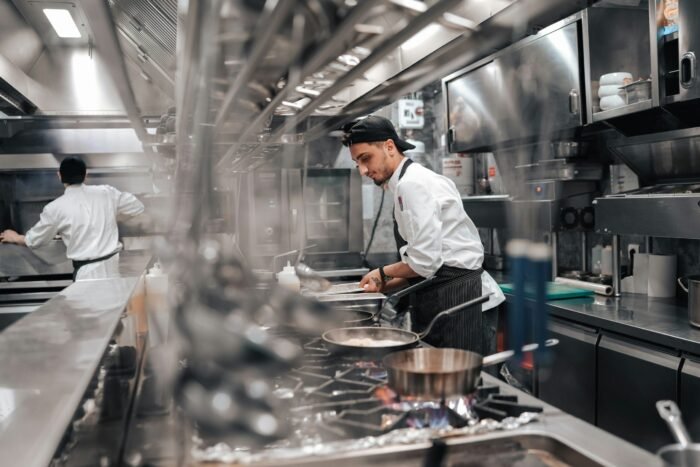
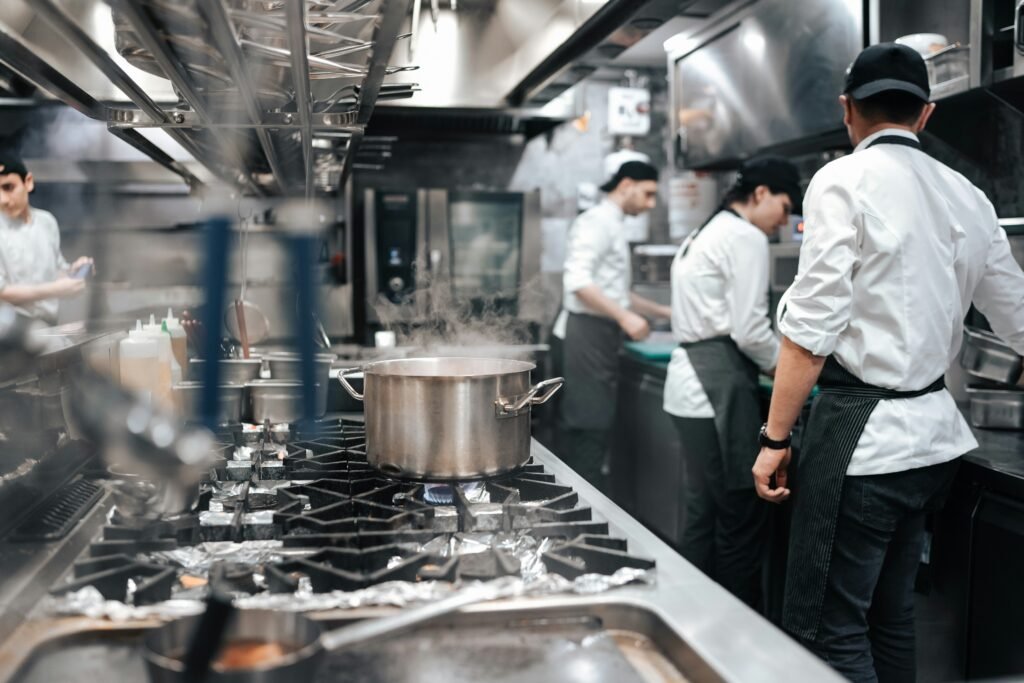
Fire safety is one of the most critical responsibilities in any restaurant, yet it is often overlooked in the rush of daily operations. With constant exposure to high temperatures, open flames, electrical equipment, and flammable materials, even a minor lapse can quickly escalate into a serious incident. Fires in restaurants can lead to severe property damage, business interruption, reputational loss, and, most importantly, risks to human life. The good news is that many of these risks are preventable through consistent daily practices that are simple to implement but highly effective.
By focusing on routine checks, proper handling of equipment, and staff awareness, restaurant owners can significantly reduce fire hazards. This guide explores practical, actionable steps to help you maintain a safe and compliant environment while ensuring your business runs smoothly.
Why Fire Prevention Is Critical in Restaurants
Restaurants are uniquely vulnerable to fire risks due to the combination of heat sources, cooking oils, electrical appliances, and fast-paced working conditions. Unlike other commercial environments, kitchens operate for long hours with equipment running continuously, increasing the likelihood of overheating or malfunction. Grease accumulation, unattended cooking, and poor maintenance are among the most common causes of fires in food establishments.
Beyond the immediate danger, a fire incident can disrupt operations for weeks or even months, resulting in financial losses and potential legal implications. Prioritising fire prevention is not just about compliance with regulations but about safeguarding your staff, customers, and long-term business viability.
Daily Fire Prevention Practices Every Restaurant Should Follow
Simple, consistent routines are the foundation of effective fire safety and should align with proven safety and fire prevention strategies to minimise risks across all areas of your restaurant.
Keep Cooking Areas Clean and Grease-Free
Grease is highly flammable and can accumulate quickly on surfaces, equipment, and walls in a busy kitchen. Without regular cleaning, even a small spark can ignite a fire. Ensuring that cooking areas are thoroughly cleaned at the end of each shift helps eliminate this risk and maintains a safer working environment.
Never Leave Cooking Equipment Unattended
One of the most common causes of kitchen fires is unattended cooking. Whether it is a pan left on the hob or equipment running during quieter periods, lack of supervision can lead to overheating and ignition. Staff should always remain attentive when cooking equipment is in use.
Regularly Inspect Electrical Equipment
Electrical faults are another significant fire hazard in restaurants. Damaged cables, overloaded sockets, and malfunctioning appliances can easily spark a fire if not addressed promptly. Regular inspections help identify potential issues early and ensure all equipment is functioning safely.
Store Flammable Materials Safely
Flammable items such as cooking oils, packaging, and cleaning chemicals must be stored carefully. Keeping these materials away from heat sources and open flames reduces the likelihood of accidental ignition and helps maintain an organised workspace.
Maintain Proper Ventilation Systems
Good ventilation is essential in a commercial kitchen as it removes heat, smoke, and airborne grease particles. Without proper airflow, heat can build up quickly, increasing fire risk. Well-maintained ventilation systems support a safer and more comfortable working environment.
Why Installing and Maintaining Fire Protection Systems Is Essential
Even with strong daily practices in place, restaurants still require reliable fire protection systems to provide an additional layer of safety. Advanced solutions such as a water mist system are designed to detect and suppress fires quickly, reducing the spread of flames and limiting damage to property and equipment. These systems are particularly effective in commercial kitchens where traditional methods may not be as efficient.
Regular maintenance is just as important as installation, as it ensures that systems remain fully operational when needed. Routine inspections and servicing help identify potential issues early, preventing system failure during emergencies. Investing in well-maintained fire protection systems not only enhances safety but also supports compliance with industry regulations and standards.
You Might Also Like:
No related posts.
Final Thoughts
Fire prevention in restaurants is built on a combination of consistent daily practices, informed staff, and dependable safety systems. By addressing risks proactively and maintaining a structured approach to fire safety, restaurant owners can significantly reduce the likelihood of incidents that could disrupt operations or endanger lives.
Taking the time to implement effective routines and invest in the right solutions ultimately strengthens the resilience of your business. With the right balance of awareness, preparation, and technology, fire safety becomes an integral part of your operations rather than a reactive measure.