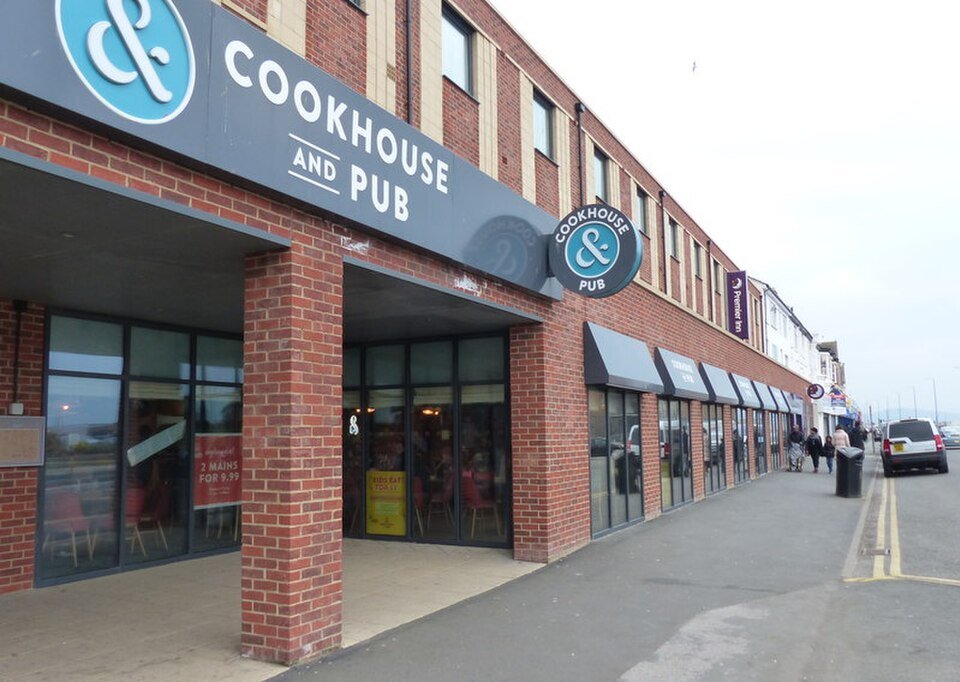
Whitbread Plc, the conglomerate behind the UK’s largest hotel brand, Premier Inn, is in the midst of a significant strategic transformation, concluding its operation of standalone branded restaurants across the country. This comprehensive divestment, part of a refreshed five-year strategic plan initially outlined in April 2024 and further detailed in April 2026, signals a decisive pivot towards its higher-margin, hotel-centric business model. The move aims to deliver £2 billion in free cash flow for shareholders by FY2031.
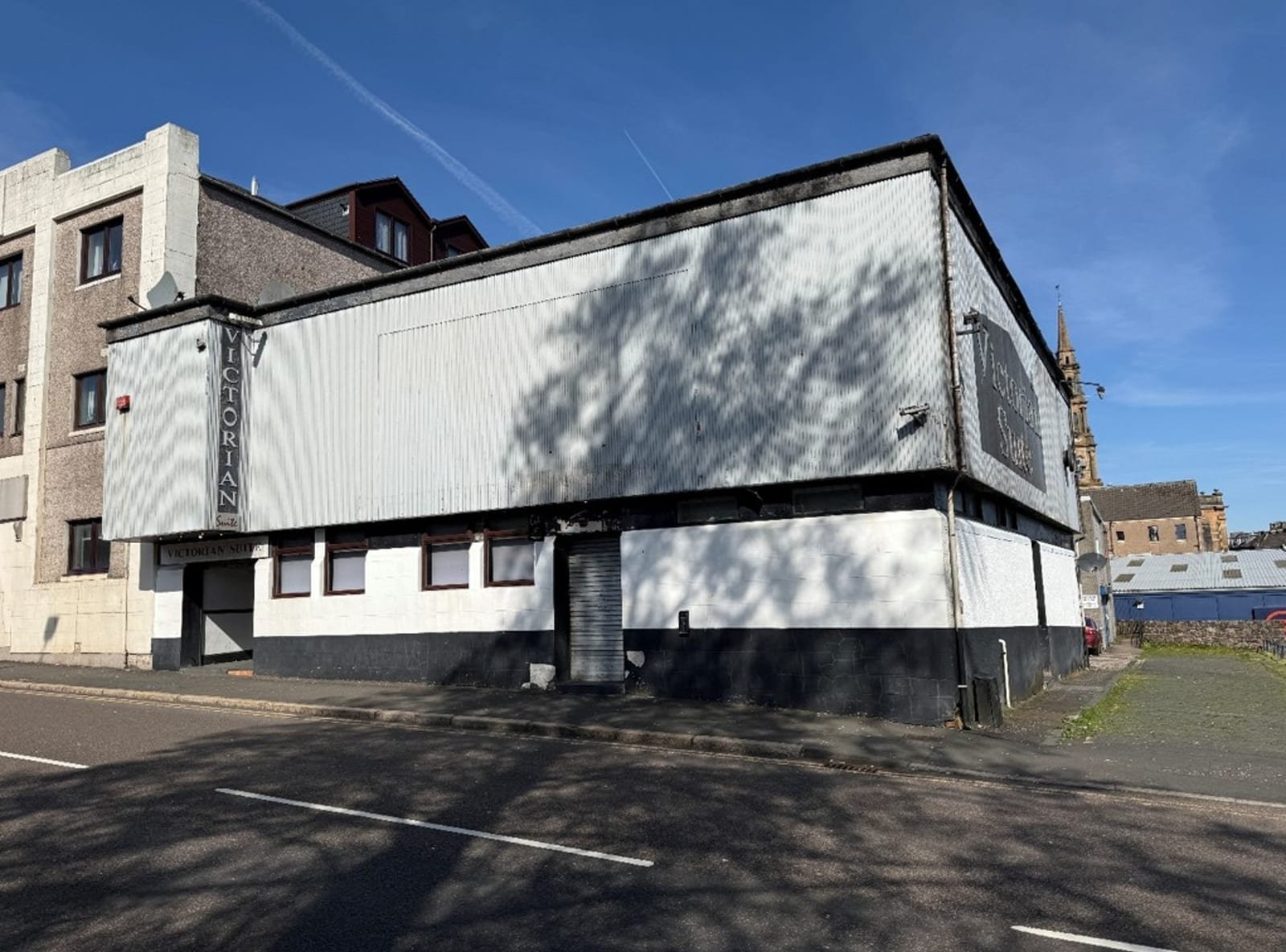
Throughout September 2026, the final tranche of Whitbread’s standalone restaurants, encompassing well-known brands such as Beefeater, Brewers Fayre, Bar + Block, Cookhouse + Pub, and Table Table, are ceasing operations. The initial wave of closures on 3 September saw all 14 Cookhouse + Pub outlets, 20 Bar + Block sites, and 32 Table Table locations shut their doors. This was swiftly followed by the closure of 89 Brewers Fayre establishments on 7 September and the remaining 106 Beefeater venues on 10 September. In total, 261 Whitbread-owned restaurant sites were slated for closure.
Premier Inn: The Core of a “Pure-Play” Vision
The strategic reorientation is designed to transform Whitbread into a “higher-margin, higher-returning pure-play hotel business,” with its market-leading Premier Inn brand at the core. Premier Inn has consistently demonstrated its strength in the competitive UK hospitality landscape, recently recognised as the UK’s “clearest all-round leader” and most considered hotel brand in YouGov’s 2026 rankings. Achieving a 54% consideration score, it stands a commanding 21 percentage points ahead of its closest competitor, Travelodge. The brand also leads in value perception and ranks second for quality, underscoring its robust all-round offering.
Dominic Paul, Whitbread’s Chief Executive, articulated the rationale behind the significant shift: “We always challenge ourselves to improve and, in light of significant cost increases in the form of business rates and national insurance, as well as the implied market discount to our inherent value, we’ve looked hard at the options open to us to maximise value creation over the medium and long-term.”
Economic and Regulatory Pressures Mounting on Hospitality
This strategic decision unfolds against a challenging economic backdrop for the UK hospitality sector, which has grappled with persistent inflation, elevated energy costs, and enduring labour shortages, collectively eroding profit margins. While 2026 has seen cautious optimism driven by a resurgence in inbound tourism, domestic consumer spending remains constrained, with households increasingly prioritising value and experience when dining out.
A critical and evolving concern for the sector has been the trajectory of business rates. Following a revaluation effective from April 2026, based on April 2024 rental values, many hospitality businesses, particularly pubs, faced significantly higher rateable values. The temporary 75% relief package, offered during the pandemic, had been reduced to 40% (capped at £110,000 per business) for the 2025-26 fiscal year and concluded on 31 March 2026. From April 2026, this temporary relief was replaced by a new system of five multipliers. Retail, hospitality, and leisure (RHL) properties with rateable values under £51,000 now face a multiplier of 38.2p, while those between £51,000 and £499,999 are subject to a 43p multiplier. However, a higher multiplier of 50.8p applies to properties with rateable values exceeding £500,000, which includes many larger hotels.
In response to industry outcry, particularly from the pub sector, the government announced an additional 15% relief for pubs and live music venues for the 2026/27 financial year, effective from April 2026. A further 20% relief has been announced from April 2027, with eligible bills for pubs and live music venues frozen in real terms for 2027/28 and 2028/29, though the “very largest” live music venues may not qualify for the additional 20% discount. Despite these interventions, UKHospitality has estimated that an average pub’s rates could be £4,500 higher in 2027/28 and £7,000 higher in 2028/29 compared to current levels. Business rates remain a significant fixed cost for the sector.
Employer National Insurance Contributions (NICs) also represent a substantial and growing financial strain. Increases announced in the Autumn 2024 Budget, effective from April 2025, saw the main employer NICs rate rise by 1.2 percentage points from 13.8% to 15%. Simultaneously, the secondary threshold for contributions was lowered from £9,100 to £5,000 annually, a revised threshold frozen until at least April 2028. This shift is expected to significantly escalate wage bills for hospitality businesses. UKHospitality estimated these NICs changes would cost the sector an additional £1 billion annually, bringing approximately 774,000 hospitality workers into the new employer NICs threshold for the first time. Kate Nicholls, UKHospitality Chief Executive, warned that these changes represent “one of the most regressive tax changes ever,” potentially inflicting “unprecedented damage” on the sector.
Whitbread’s Consolidation and Asset Recycling Strategy
Under its refined five-year blueprint to FY31, Whitbread aims to realise £250 million in cost savings across its UK arm. The restructuring puts approximately 3,800 jobs at risk across its UK and Ireland operations, representing about 12% of its 31,500-strong workforce, though the company endeavours to redeploy a “significant proportion” of affected staff where feasible. A key element of the strategy involves converting 112 lower-performing branded restaurants into new Premier Inn hotel rooms, anticipating the addition of approximately 3,500 new rooms by FY29 and ultimately 8,000 new rooms from conversions by 2031. The group is targeting an expansion of its total UK room count to 96,000 by 2031.
Financially, Whitbread reported flat statutory revenue of £2.92 billion for the fiscal year ending February 2026, with adjusted pre-tax profit also flat at £483 million year-on-year. However, adjusted EBITDAR increased by 4% to £1.074 billion, while statutory profit before tax decreased by 19% to £298 million, attributed partly to £130 million in impairment charges related to the Accelerating Growth Plan. The company has had a strong start to the current financial year, with total group sales up 2% to £727 million in Q1 FY27 (13 weeks to 28 May 2026), driven by 3% growth in Premier Inn UK accommodation sales and 16% growth in Germany.
Whitbread is strategically reallocating capital, with plans to sell £1.5 billion of freehold properties over the next five years, including £282 million generated from 22 sale-and-leaseback transactions in FY26. This will reduce its owned portfolio from around 50% to between 30% and 40% by 2031, marking a shift towards a more capital-light, majority leasehold model. This strategy is intended to fund future growth, reduce net capital investment by over £1 billion, and generate £2 billion in free cash flow for shareholders by FY2031. The strategic shift is projected to deliver an incremental adjusted profit before tax contribution of £275 million by FY2031. While analysts have largely welcomed the “pure-play” hotel strategy, viewing it as a move to unlock value by focusing on the higher-margin Premier Inn brand, activist investor Corvex Management LP has called for a full sale of the company, labelling the current plans “value-destructive”.
A Lifeline for Some: Queensway Inns Steps In
While many sites face permanent closure, a positive development has emerged for a portion of the affected restaurants. Queensway Inns, a hospitality group with “extensive experience operating hospitality businesses across the UK,” has conditionally agreed to acquire 53 of Whitbread’s branded restaurant sites. These sites, encompassing a mix of Beefeater, Brewers Fayre, Table Table, Bar + Block, and Cookhouse + Pub locations, are expected to be rebranded and relaunched as “affordable pubs” or “value pubs.”
You Might Also Like:

This deal offers a lifeline to approximately 900 team members who could transfer to Queensway Inns, subject to the completion of the sale and relevant consultation processes. The specific new brand names, menu pricing, and reopening dates for these rescued sites are yet to be fully confirmed, though one site in Great Yarmouth has already reopened as “The Dunes.” The acquisition by Queensway Inns represents a notable transaction in a UK pub and restaurant market that has seen significant consolidation and divestments over decades, including the profound impact of the 1989 Beer Orders and the Global Financial Crisis. The casual dining segment, in particular, has seen outlet numbers decline and operators struggling to compete between budget and high-end offerings, emphasising the need for experience-led differentiation and value.
As Cookhouse + Pub communicated to its clientele on social media, “From quick mid-week dinners to decades of family celebrations, it has been an honour to serve communities across the UK. We are so grateful for everyone who made our restaurants feel like home.” This sentiment resonates across the industry as Whitbread’s branded restaurants draw their curtains, marking the end of an era for many established high street dining fixtures.
Sources:
- [2] YouGov UK Hotel Rankings | News | 2026 – Premier Inn. (August 25, 2026).
- [3] Business rates – hospitality and the 2026 revaluation – UKHospitality. (December 17, 2025).
- [4] Anyone’s guest: UK hotel brand rankings for 2026 – YouGov. (August 11, 2026).
- [5] Activist shareholder Corvex urges Whitbread to rethink its value – CoStar. (December 18, 2025).
- [6] New YouGov UK hotel brand rankings: “Premier Inn is the clearest all-round leader” – Whitbread PLC. (August 25, 2026).
- [7] Activist investor Corvex calls for strategic review at Whitbread – Halifax – Market news.
- [8] Premier Inn Leads UK Hotel Brand Consideration Rankings for 2026. (August 26, 2026).
- [9] Corvex Pushes Whitbread Review to Unlock Property Value – AltexSoft. (December 23, 2025).
- [10] Whitbread delivers ‘strong and improved’ Q1 performance | News – MCA Insight. (June 18, 2026).
- [11] National Insurance (NI) changes following the Autumn Budget 2024 – Price Bailey. (October 30, 2024).
- [12] Premier Inn leads UK hotel brands in 2026 YouGov rankings. (August 26, 2026).
- [13] Business Rates Relief for Pubs: 20% Cut Explained 2026 – Tax Driven Accountants. (August 25, 2026).
- [14] Whitbread: Its next chapter as a pure-play hotel business | Opinion – MCA Insight. (May 19, 2026).
- [15] What is happening to business rates on pubs? – House of Commons Library. (August 24, 2026).
- [16] The State of the UK Hospitality Sector in 2026 | Rise Funding. (July 14, 2026).
- [17] UK Autumn Budget 2024: Key Points for Employers – Littler Mendelson. (December 03, 2024).
- [18] 1/2026: Pubs and live music venues relief 2026 to 2027 – GOV.UK. (January 27, 2026).
- [19] UK Cuts Business Rates For Clubs & Live Music Venues In 2027 – Pollstar News. (July 28, 2026).
- [20] Business rates relief: Pubs and live music venues relief – GOV.UK.
- [21] Whitbread outlines five-year plan, proposes selling £1.5 billion of freehold hotels – CoStar. (April 30, 2026).
- [22] Preliminary Results Announcement – Investegate. (April 30, 2026).
- [23] Whitbread FY26 slides: pure-play hotel pivot targets £275m profit boost – Investing.com. (April 30, 2026).
- [24] UPDATE: Whitbread intent on driving strong returns after Corvex rebuke – Morningstar. (May 18, 2026).
- [25] 1st Quarter Results | Company Announcement – Investegate. (June 18, 2026).
- [26] Changes to business rates multipliers from April 2026 | South Hams District Council.
- [27] The New Economics of UK Hospitality in 2026: Demand Growth, Margin Pressure and the Strategic Shift Shaping Industry Performance – Hotel Magazine. (June 02, 2026).
- [28] Whitbread Faces Break-Up Pressure as Major Investor Demands Sale – BDC Magazine. (May 31, 2026).
- [29] Changes to business rates multipliers from 2026 – Bristol City Council.
- [30] The United Kingdom Increases Employers’ National Insurance Costs – Lockton. (December 13, 2024).
- [31] Important changes to business rates 2026-27 | London Borough of Hammersmith & Fulham.
- [32] Changes to business rates from April 2026 – Buckinghamshire Council.
- [33] Key Employment Challenges Facing UK Hospitality Employers in 2026 – AfterAthena. (April 29, 2026).
- [34] Whitbread (WTB) Q1 2027 TU earnings summary – Quartr. (June 18, 2026).
- [35] Employer’s National Insurance contributions changes from April 2025 – CIPP. (October 30, 2024).
- [36] 1st Quarter Results – 07:00:02 17 Jun 2026 – WTB News article | London Stock Exchange. (June 17, 2026).
- [37] UK hospitality industry job losses and 2026 outlook concerns – Facebook. (August 21, 2026).
- [39] Whitbread (FY Results): results in-line, guidance disappoints | HL. (April 29, 2026).
- [40] What are the trends and challenges for UK hospitality in 2026? Navigating uncertainty while redesigning value – Keystone Law. (January 05, 2026).
- [41] Whitbread FY26 Profit Flat As Premier Inn Germany Reaches Profitability – DirectorsTalk Interviews. (April 30, 2026).
- [42] Whitbread Q1 sales 727 mln pounds, up 2% – Borsa Italiana. (June 18, 2026).
- [43] Class 1 NIC Changes – BDO. (November 25, 2024).
- [44] About us – Whitbread PLC.
- [45] Whitbread to axe 3,800 jobs as part of five-year plan to boost returns | AJ Bell. (April 30, 2026).
- [46] Whitbread falls on weak guidance despite beating forecasts – Investing.com. (April 30, 2026).
“`