
Scotch whisky makers are facing a downturn as global market conditions become tougher, according to a report by the BBC.
Export tariffs, rising costs, and weakening demand in key markets are all hitting the industry. One of the biggest threats comes from the possible return of US tariffs on single malt whiskies. These taxes, first introduced under Donald Trump’s previous administration, could add up to 25% to import costs when they come back next year unless a trade deal is reached.
The United States remains the largest export market for Scotch, especially for single malts, but it is far from the only one showing signs of strain. Exports to China have dropped by more than 30%, while other regions are also seeing slower sales due to weaker consumer spending and rising production costs.
In the first half of this year, the total value of Scotch exports increased slightly to £2.5 billion, but the volume of whisky shipped fell by almost 4%. Distillers had already built up stock in the US in anticipation of new tariffs, meaning the true impact on sales may take several months to show.
There is some positive news from India, where import tariffs are expected to fall sharply under a new trade deal with the UK. However, the reductions will take time to come into effect and are unlikely to offset the current slowdown in the short term.
The production drop has also hit farmers and maltsters. Demand for malted barley from distillers has fallen sharply, forcing many growers to switch to other crops such as wheat or rapeseed. Industry leaders say many barley contracts have been cut back or dropped altogether.
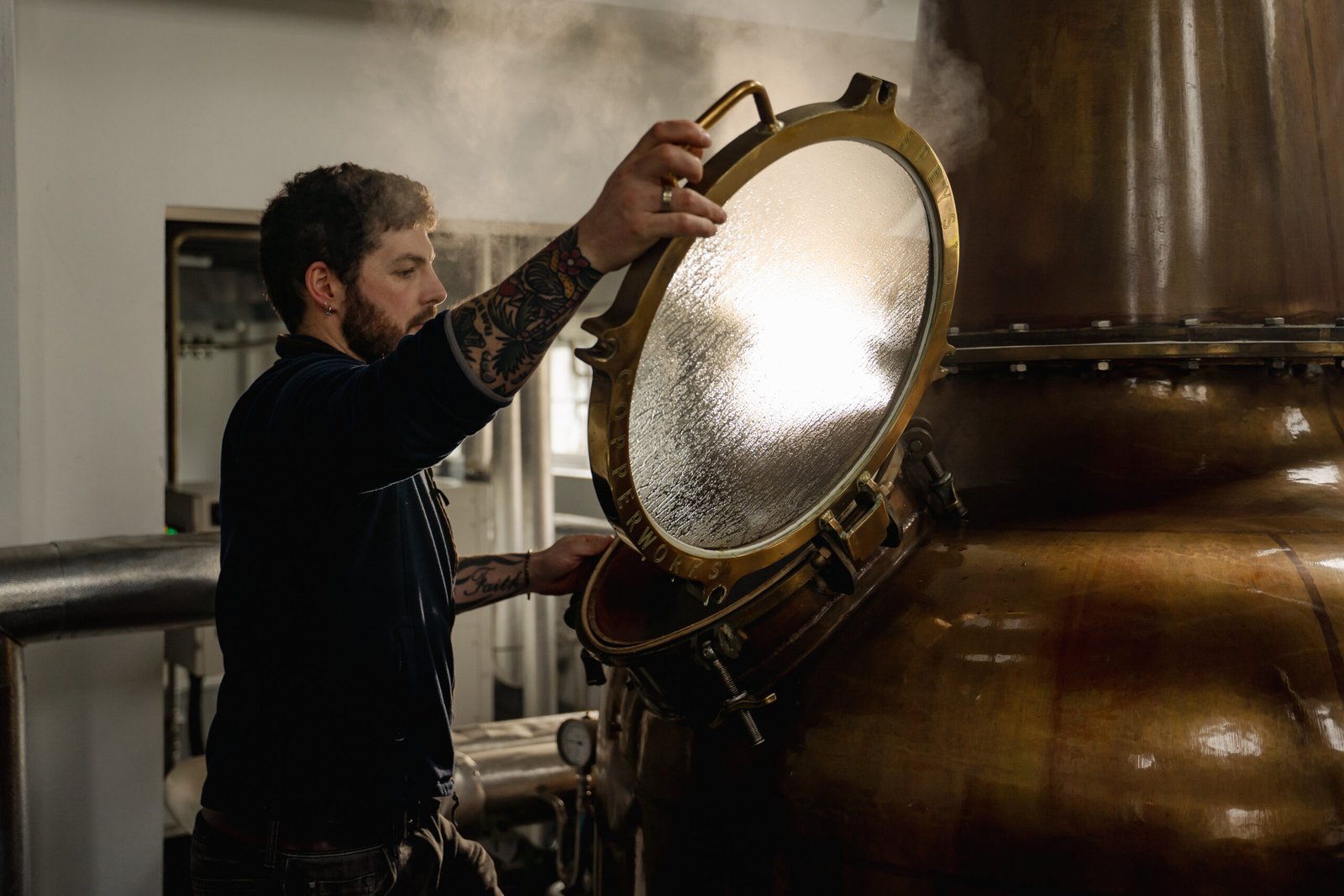
In response to weaker demand, major whisky producers have paused production at several distilleries across Scotland. Diageo has temporarily stopped operations at its main maltings in Roseisle, while Glenmorangie and Ardbeg have both reduced production for several months.
Industry experts say these are “short-term adjustments” to prevent overproduction and to protect long-term brand value. Visitor centres at most distilleries remain open, but suppliers and hauliers are also feeling the effects of the slowdown.
As a result, the wider supply chain – including maltsters, farmers, and packaging firms – is under pressure. In East Lothian, one maltings plant has been permanently closed, with the loss of 20 jobs.
The Scotch Whisky Association (SWA) has warned that the sector faces “significant challenges” both at home and abroad. Alongside international tariffs and falling demand, producers are also dealing with rising UK alcohol duty, which the industry says adds to financial strain.
SWA chief executive Mark Kent said the government’s latest duty rise “puts huge additional pressure on a sector suffering job losses, stalled investment and business closures”.
You Might Also Like:
No related posts.
He added: “The Scotch industry cannot keep growing if the conditions that support it are not sustained.”
Despite these challenges, industry groups say they are working closely with farmers and supply chain partners to maintain stability and prepare for recovery once global markets improve.