
The UK government has just announced a temporary reduction of VAT on selected family-focused meals as part of its Great British Summer Savings scheme. Between 25 June and 1 September 2026, eligible supplies, including children’s meals, are expected to reduce from 20% VAT to 5%.
As even temporary VAT changes can create challenges if EPOS systems, receipts and product categorisation are not configured properly, payments provider Dojo have released a checklist to help hospitality operators prepare and ensure a smooth transition ahead of the scheme launch.
Checklist: Here’s everything you need to review ahead of the launch, according to hospitality experts
Sasha Hoey, Senior Product Marketing Manager at Dojo, comments: The experts at Dojo comment, “While the change could help drive more summer spending, processing mixed VAT transactions across meals and drinks could create additional operational complexity for businesses across EPOS setup, receipts, reporting and reconciliation. Therefore, it’s important to review the following areas before the temporary VAT changes take place to stay operationally efficient. .”
1. Check product and menu categorisation
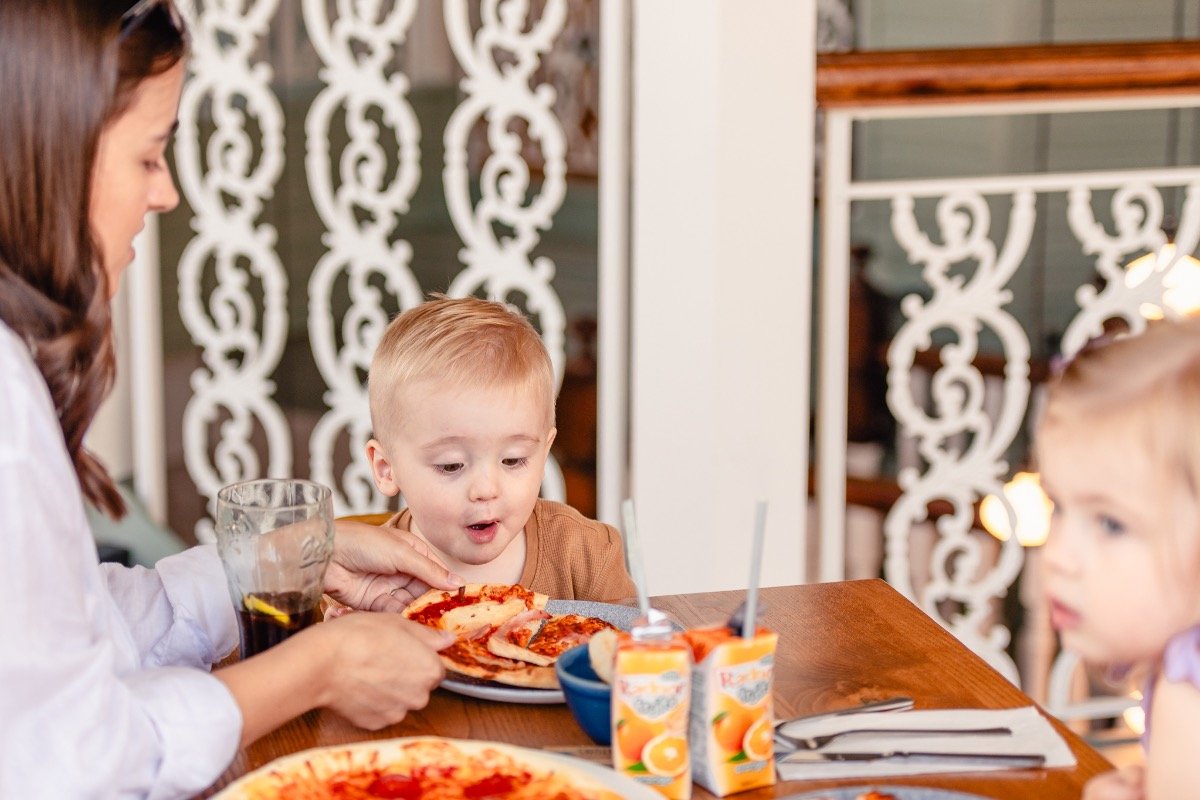
HMRC guidance states that eligible children’s meals must be sold specifically as children’s meals eaten on the premises. Therefore, it’s crucial to understand which menu items qualify and how children’s meals are currently labelled in your POS system.
Key things to consider include how takeaway items are separated from eat-in meals, and whether promotions affect VAT treatment.
2. Managing reporting, receipts and reconciliation
Small setup issues that might normally go unnoticed can quickly become more visible once queues build and transactions speed up. Incorrect VAT setups could create issues across reporting, reconciliation and customer receipts, so it’s important to check that your setup can:
- Apply different VAT rates within the same transaction
- Distinguish qualifying and non-qualifying items
- Reflect VAT accurately on customer receipts
- Handle refunds or exchanges correctly during the scheme period
3. Prepare your teams early
You Might Also Like:
Once the scheme launches, front-of-house teams will likely receive more customer questions around which meals, tickets and attractions qualify for the reduced VAT rate.
Even with the correct VAT setup, customers may still have questions at the till, so teams should be prepared to explain:
- Which products or tickets qualify
- Why some items remain at the standard VAT rate
- Why pricing may differ between businesses or venues
- When the reduced rate starts and ends.
Hoey adds:The experts at Dojo add, “For some businesses, the changes may be relatively minor. For others, there could be far more to review operationally – particularly across pricing, EPOS systems and reporting. How the scheme affects you will depend on your size, structure, VAT status and existing VAT treatment.”