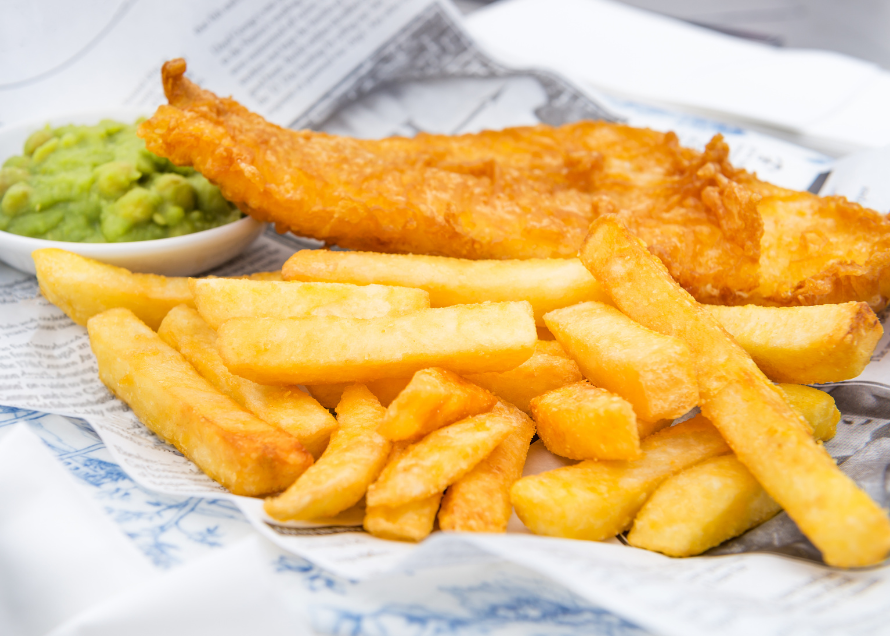
Fish and chips are deeply ingrained in British culture, and for many people the smell of vinegar and freshly fried batter is enough to transport them back to childhood. Yet behind the familiar comfort of the nation’s favourite takeaway, independent shops are facing mounting pressure.
New research published by Seafish in June found that there are around 7,210 fish and chip shops operating across the UK. The figure is considerably below the long-cited estimate of around 10,500 specialist shops, illustrating the scale of the sector’s decline and the challenges facing independent operators.
Rising costs for fish, potatoes, oil and energy have all added to the strain, with many businesses adapting their menus and operations simply to remain viable.
However, Scotland continues to stand out for its fish and chip culture, boasting a strong coastal fishing heritage and a reputation for serving some of the world’s best chippies.
According to Niall McCusker of specialist butcher Campbells Prime Meat, Scotland’s geography is a key part of what makes its fish and chips distinctive.
“It’s a pretty unique mix of waters, some of the most nutrient-rich in the UK, and that’s what makes it such a good environment for haddock and cod, while also keeping them close to Scotland’s shores,” he said.
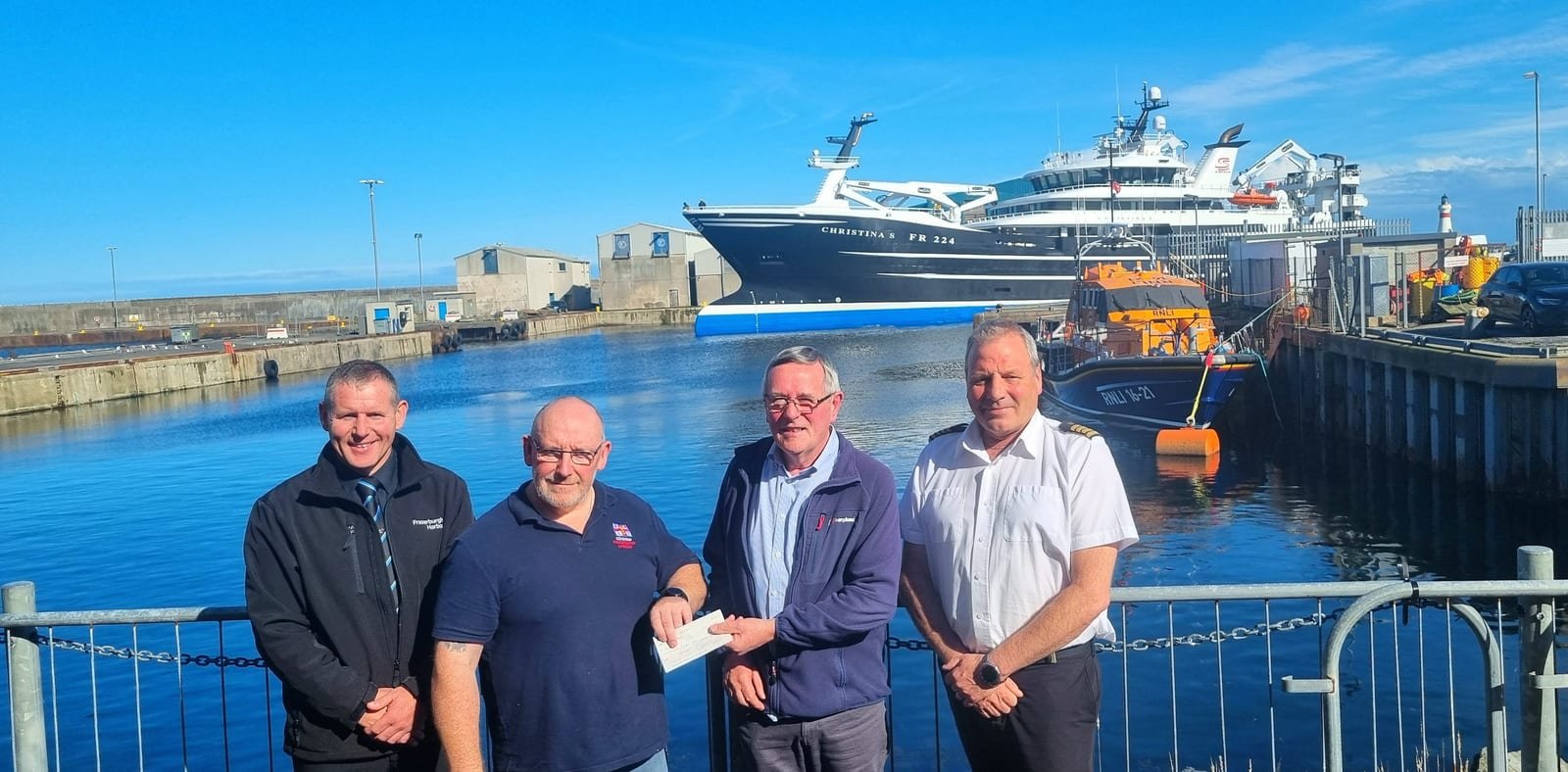
Scotland’s access to high-quality whitefish is reinforced by its long-established fishing industry and major landing ports. Peterhead, for example, is described by its port authority as Europe’s largest fishing port and the country’s biggest whitefish and pelagic port.
“It also helps that Scotland has such a strong fishing industry, with major ports like Peterhead right on the coast,” McCusker explained. “Peterhead is Europe’s largest fishing port for whitefish, so there’s a really good supply of fresh haddock, cod and other fish coming in.”
The sector remains an important employer in coastal communities, supporting fishermen, fish merchants, processors, auction staff and the many businesses supplying and servicing vessels.
You Might Also Like:



For McCusker, freshness is not only about where the catch comes from, but how it is treated before it reaches the fryer.
“And it’s not just knowing where to catch. The crews know how important it is to get the fish chilled and landed properly, because the way it’s handled on the boat makes a big difference to the quality you get at the other end.”
While the number of fish and chip shops across the UK may be shrinking, Scotland’s combination of rich fishing grounds, experienced crews and major seafood ports continues to give its chippies a compelling advantage – and helps preserve a much-loved part of the country’s food culture.